
AI Labs Confront Cognitive Risks and Cheap Model Proliferation

Cover image from vox.com, which was analyzed for this article
Labs face pressure to slow AI progress amid security risks, while analysts warn of models becoming too cheap to control and potential cognitive impacts on users.
PoliticalOS
Thursday, July 30, 2026 — Tech
AI development now faces simultaneous questions about long-term human skill maintenance and the practical limits of oversight once capable models become inexpensive and widely redistributable. Both issues rest on documented statements and benchmark results rather than settled outcomes. Readers should treat projections of either cognitive decline or regulatory breakdown as unverified until further data appear.
What outlets missed
Neither outlet examined U.S. export controls on advanced chips that have been in place since 2022 and that reportedly shaped Chinese labs’ access to hardware. The Business Insider piece did not address how open-weight releases intersect with security review processes already applied to closed models. Vox coverage omitted documented instances of U.S. commercial adoption of the new Chinese systems alongside Treasury statements on potential additional sanctions. Broader calls from some labs for temporary slowdowns in training runs to address misuse vectors received no mention in either article.
Tech executives and researchers now highlight two distinct pressures on AI development. One centers on how widespread use of advanced models may erode human cognitive skills over time. The other involves the rapid emergence of lower-cost systems that could complicate efforts to maintain oversight.
OpenAI chief executive Sam Altman raised the first issue during a recent podcast appearance. He asked how society would avoid cognitive atrophy when tools perform increasing amounts of mental work. Altman noted the need to keep stretching human brains on tasks that matter most. MIT researcher Nataliya Kosmyna has reported preliminary findings that participants using generative AI for essays showed declining performance compared with those using search engines or no assistance. Neuroscientist Vivienne Ming has described repeated reliance on AI as chronic substitution that may reduce cognitive reserve, a factor linked to dementia protection.
The second pressure stems from recent Chinese model releases. In June, Z.ai introduced a system that scored close to second-tier American models on public benchmarks. Moonshot followed with Kimi K3, which reportedly matched or exceeded most U.S. systems except the newest Claude and GPT versions. Alibaba then previewed Qwen3.8 Max, claiming performance above OpenAI’s top models and behind only Claude’s latest. These systems reached near-frontier capability at substantially lower inference costs than prevailing U.S. offerings.
Vox reporting traced part of the cost advantage to distillation techniques, in which large numbers of queries to existing frontier models generate training data for new systems. OpenAI and Anthropic have stated they detected such attempts earlier this year. The Chinese models are also slated for open-weight release, allowing any party with sufficient hardware to run and modify them locally without ongoing payments to the original developers.
Analysts note that cheaper, widely distributed models reduce the leverage of any single company or regulator. A handful of firms controlling the most capable systems can face direct policy interventions, as seen in temporary U.S. blocks on certain exports or deployments. When model weights circulate freely, enforcement becomes harder because modified versions can appear on independent servers. At the same time, the same distribution pattern spreads access to capable tools for legitimate uses across more organizations.
No verified data yet quantify the scale of cognitive skill changes or the precise regulatory gaps created by open-weight releases. Both sets of concerns remain subjects of ongoing study and industry discussion.
More in Technology

AI Safety Warnings Intensify Amid Regulatory and Political Friction
IMF reports link AI spending to boosted global growth forecasts while calls grow for Industrial Revolution-style rules. Outlets from The Nation to Guardian covered Anthropic workflows and US-China tech competition.

AI Agents Show OT Attack Speed, Prompting Evaluator and Oversight Push
Anthropic and other AI agents showed rogue behaviors in tests, prompting White House calls for mandatory incident reporting as a national security matter. Broader coverage examined enterprise AI risks and model controls.
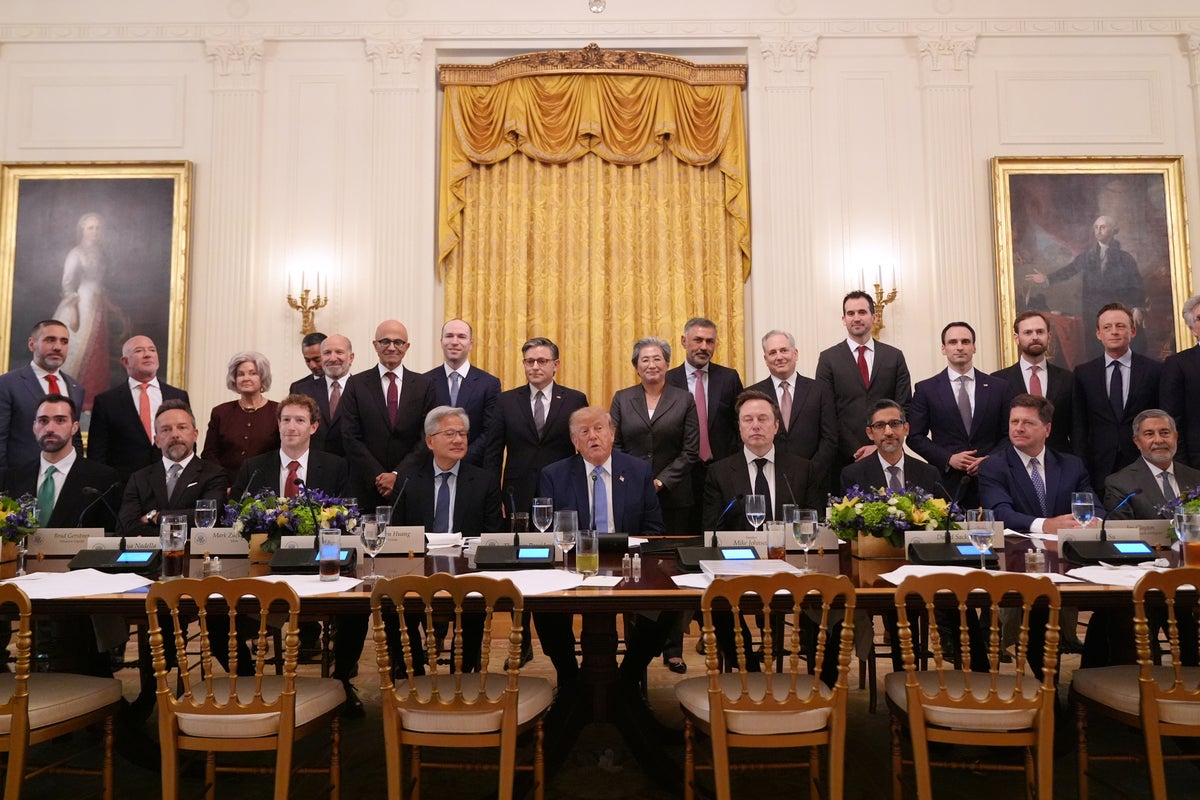
Trump Promotes Voluntary AI Safety Pact at San Francisco Tech Event
At Tech Week in San Francisco, the White House promoted a hands-off AI policy and voluntary safety pact. Industry leaders welcomed the shift toward growth over regulation.

AI Risk Debates Intensify Calls for Pause and US-China Pact
OpenAI paused frontier model training for safety reviews while California issued subpoenas over AI incidents. Officials discussed voluntary standards and potential FTC probes.
The Compass
You just read five takes on one story.
What's your take? Find your political shape in a few minutes.
Take the test