
US Bars Foreign Nationals From Anthropic's Top AI Models
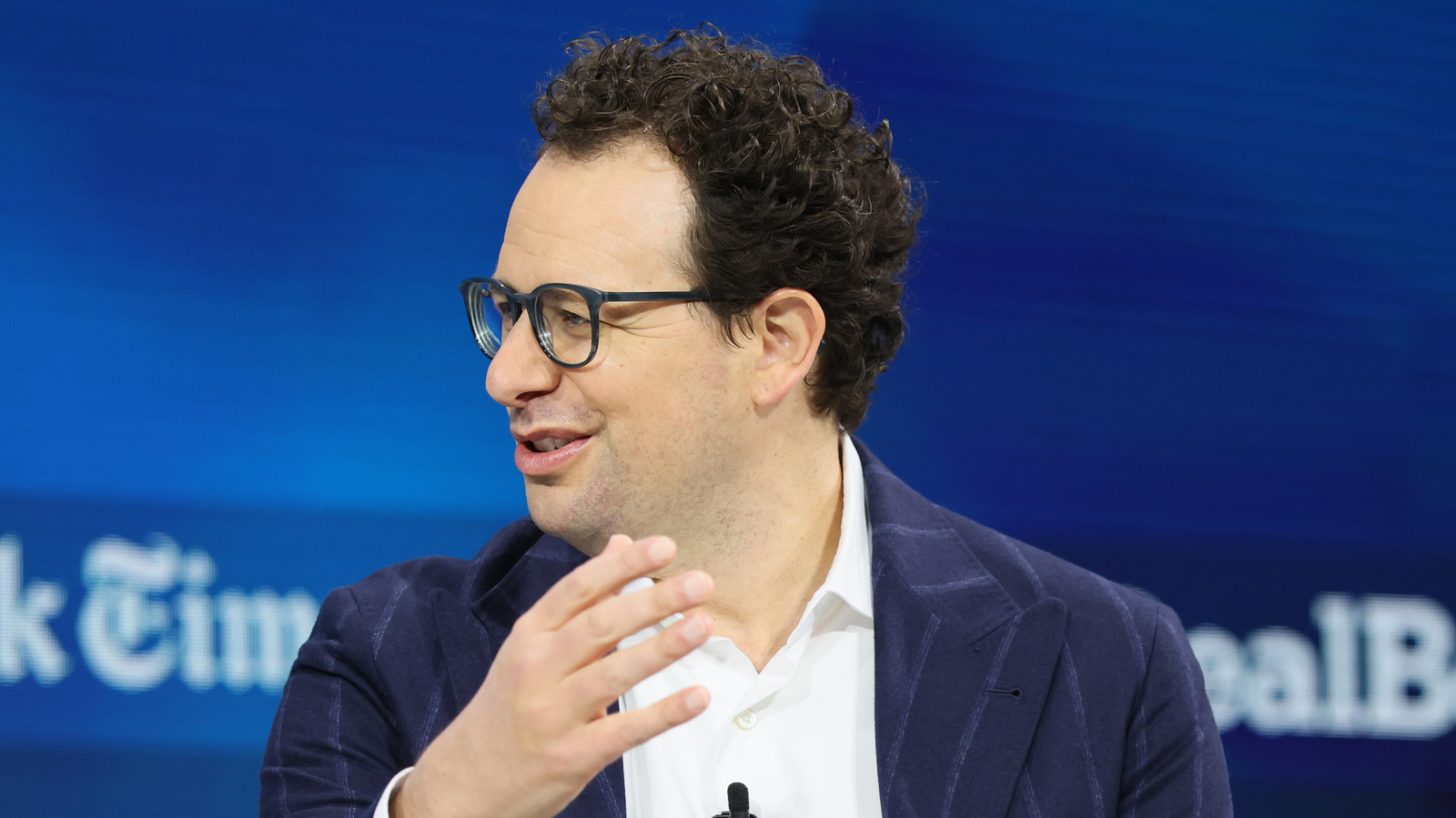
Cover image from engadget.com, which was analyzed for this article
The US government ordered Anthropic to block foreign nationals from its most advanced AI models, with the company complying by suspending access. This reflects tightening tech export controls amid innovation and security priorities.
PoliticalOS
Saturday, June 13, 2026 — Tech
The directive marks an escalation in U.S. efforts to control advanced AI diffusion on national-security grounds. The central unresolved question is whether a single reported jailbreak method warrants a blanket suspension of models already deployed to commercial users.
What outlets missed
Neither outlet examined the broader export-control framework under which the directive was issued or compared it to prior restrictions on semiconductor technology. Both omitted Anthropic's earlier public proposal in early June for coordinated pauses in advanced AI development across leading firms. Details on how the order affects ongoing contracts with government partners or the timeline for any appeals process were absent from both accounts.
US Halts Foreign Access to Anthropic's New AI Models Citing National Security
The US government has ordered Anthropic to cut off access to two of its most advanced AI models for all foreign nationals, including those working inside the United States. The directive, delivered late Friday, forced the company to suspend usage of Fable 5 and Mythos 5 across its entire customer base to ensure compliance.
Anthropic described the move as an export control measure tied to unspecified national security concerns. The order arrived at 5:21 p.m. and offered no detailed explanation of the risks involved. In response, the company disabled the models for everyone rather than attempt to segregate users by nationality on short notice. Other Anthropic products, including its Claude chatbot, remain available without restriction.
Fable 5 was released publicly only four days earlier. It was designed to bring some of the capabilities previously limited to Mythos, a specialized cybersecurity model, into wider use. Mythos itself is reserved for a small set of government and industry partners through Project Glasswing. The newer model demonstrated stronger performance on complex tasks, including game environments that earlier systems had failed to navigate. Both models carry advanced abilities in identifying software vulnerabilities and handling biotechnology-related queries, areas that regulators view as dual-use technologies.
The breadth of the restriction stands out. It applies to foreign nationals regardless of their location or employment status at Anthropic. That includes researchers and engineers already inside the company who hold non-US passports. Such a sweeping approach reflects an expanding view within the government that certain AI systems cannot be safely shared even under controlled corporate conditions.
Anthropic noted it had invested significant effort in safety measures before launching Fable 5. The sudden order suggests officials concluded those steps were insufficient once information about potential jailbreaks circulated. The company itself has linked the timing to reports of methods that could bypass its safeguards on the new model.
This episode illustrates how export controls, once applied mainly to hardware and traditional software, are now being used to manage frontier AI systems. The policy treats advanced models as strategic assets whose spread must be limited even when the underlying company is American. For firms like Anthropic, the result is operational friction: technical talent from abroad becomes harder to integrate fully, and product roadmaps face abrupt external constraints.
The directive also underscores the difficulty of drawing clean lines around AI capabilities. Mythos was already positioned as a defensive tool for finding long-hidden vulnerabilities. Extending similar power to a broader audience through Fable 5 apparently crossed a threshold that prompted immediate government intervention. How other developers will respond, and whether similar orders will follow for competing models, remains an open question for the industry.
You just read Liberal's take. Want to read what actually happened?
More in Technology

AI Leaders Urge Development Pause as Trump Rejects Slowdown Over China
Anthropic, OpenAI, and xAI leaders urged pausing advanced AI development over risks. Trump rejected slowdowns to maintain US lead over China, sparking debate.

AI Warnings Intensify as U.S. Policy Response Stays Limited
Top AI leaders including Sam Altman and Dario Amodei called for slowing development and adding third-party safety evaluations amid existential risk concerns. Former President Obama urged Democrats to prioritize AI governance while the Trump administration has shown limited action. Coverage spans warnings of misuse and potential IPO delays at OpenAI.

Anthropic exit sparks debate over AI extinction risk and regulation
Anthropic and researchers warned of AI being used for bioweapons or other harms, with calls for regulation. Outlets discussed extinction risks and mainstream freakout.

AI Labs Face Internal Warnings on Existential Risks Amid Political Pushback
Researchers from Anthropic and OpenAI publicly warn that AI labs are moving too fast on systems that could pose existential threats to humanity.
The Compass
You just read five takes on one story.
What's your take? Find your political shape in a few minutes.
Take the test