
Senate Confirms Todd Blanche as Attorney General in 50-49 Vote

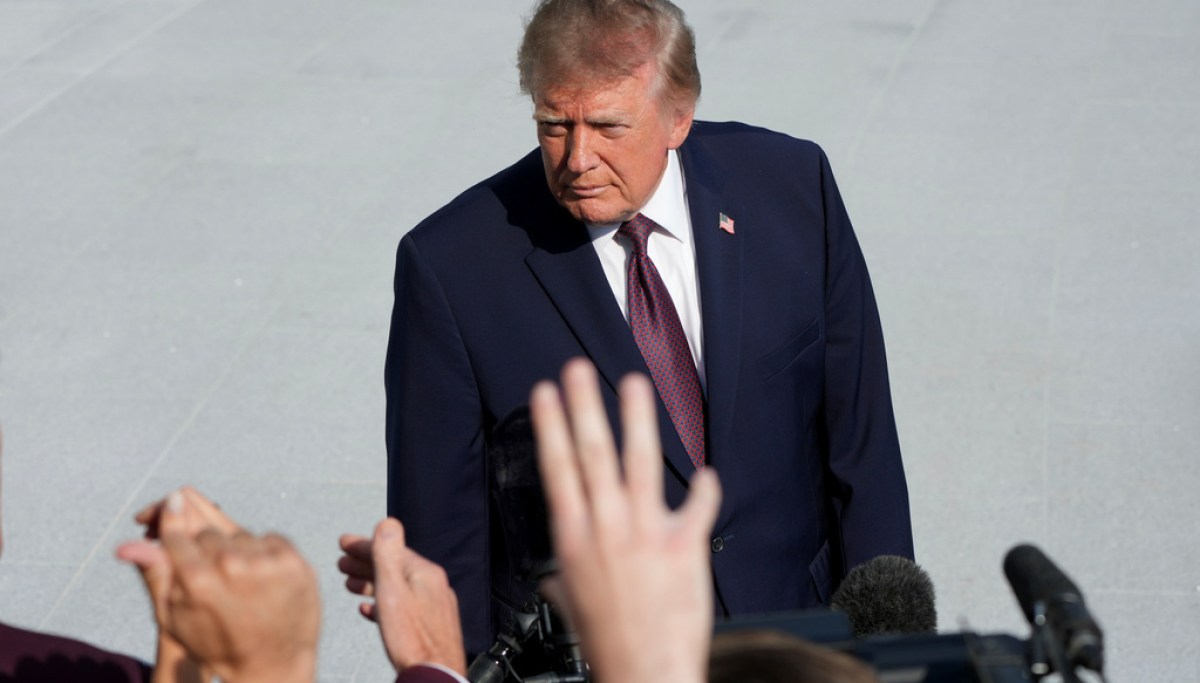
Cover image from rawstory.com, which was analyzed for this article
The Senate approved President Trump's former lawyer in a narrow 50-49 vote, filling a key Justice Department post after a contentious process. Coverage highlights the tough confirmation fight and challenges ahead for the new AG.
PoliticalOS
Sunday, August 9, 2026 — Politics
Blanche enters the role with Senate backing but under immediate pressure to reconcile Trump's expectations with judicial skepticism and career-staff concerns. The narrow margin and specific assurances from three Republican senators underscore that his independence will be tested case by case rather than assumed.
What outlets missed
The August 3 rescission order on the Anti-Weaponization Fund was a concrete administrative action that addressed one of the confirmation conditions raised by Republican senators. New Mexico's lawsuit over Epstein materials at Zorro Ranch introduces a state-federal conflict that could reach federal court regardless of national political coverage. Blanche's record as a former Manhattan federal prosecutor and law-firm partner received little sustained examination beyond his relationship with Trump. No outlet placed the 50-49 margin in the context of prior attorney general confirmations that passed with wider bipartisan margins.
The Senate's narrow confirmation of Todd Blanche as attorney general places a former Trump defense lawyer at the head of the Justice Department at a moment when enforcement priorities, institutional norms and presidential expectations collide most directly. Blanche, who had served as acting attorney general since April, prevailed 50-49 early Saturday after three Republican senators weighed personal assurances against concerns that the department had already tilted toward the White House.
Senators John Cornyn, Thom Tillis and Bill Cassidy each cited doubts about Blanche's willingness to resist Trump directives yet ultimately supported him after he pledged to prioritize the rule of law. The vote followed months of acting leadership during which career staff levels dropped through firings and departures and several high-profile cases advanced or collapsed under shifting political pressure.
Blanche now faces an immediate docket that includes fraud and immigration prosecutions alongside sensitive investigations into former Obama- and Biden-era officials that Trump allies have described as a grand conspiracy. He has stated that discussions with the president about charging decisions are permissible and has defended the executive branch's authority over the department. At the same time, he told senators the department is not a vehicle for personal loyalty.
One emerging test involves a lawsuit filed by New Mexico against the Justice Department over access to Epstein-related materials from Zorro Ranch. State officials say they made ten requests that were ignored or denied; the department has cited federal court orders protecting victim-identifying information. Details in some reporting about prior broken promises or expanded victim definitions could not be independently verified by other outlets.
Blanche also issued a formal order on August 3 rescinding a proposed compensation fund for those claiming political prosecutions, an administrative step taken after negotiations with Republican senators. Trump has continued to press other matters, including calls to refile withdrawn cases in Washington and renewed efforts against Federal Reserve Governor Lisa Cook.
Current and former career officials have expressed mixed expectations. Some hoped Blanche's prosecutorial background would moderate aggressive impulses; others noted he has publicly embraced disruptive changes and pursued cases that courts later dismissed on procedural grounds. The central unresolved question remains how far Blanche will go to reconcile the president's demands with statutory and constitutional limits on the attorney general's role.
More in Politics

Federal Agents Search Omar Home in Ongoing Immigration Probe
Homeland Security agents searched the Minnesota Democrat's DC residence in a criminal probe, prompting accusations of political intimidation from Omar and Democratic leaders. Coverage spans left-leaning outlets like NPR, BBC, and The Guardian alongside right-leaning criticism from The Federalist and Daily Wire.

Trump Diesel Import Plan Draws Pushback Over Russia Ties
The weekend agreement drew bipartisan congressional pushback and criticism from Ukraine's Zelenskyy, with analysts downplaying US fuel price impacts. Right-leaning outlets like National Review, Dispatch, and Washington Examiner questioned its legality and effectiveness.

Independents Test Voter Appetite for Middle Ground in 2026 Midterms
Nearly 200 independents are running in competitive races as voters weigh ballot measures on housing costs in states like Massachusetts. Left-leaning coverage from NYT, NPR, and Guardian highlights turnout and key races while right outlets focus on GOP strategy.
Trump Rallies in Alaska, Ohio to Bolster GOP Senate Candidates
The president rallied in Wasilla for Sen. Dan Sullivan and faced empty seats at an Ohio event amid midterm concerns. Outlets across the spectrum covered the trips as signals of GOP vulnerability weeks before Election Day.
The Compass
You just read five takes on one story.
What's your take? Find your political shape in a few minutes.
Take the test