
Senate panel delays Blanche AG vote over IRS settlement demands
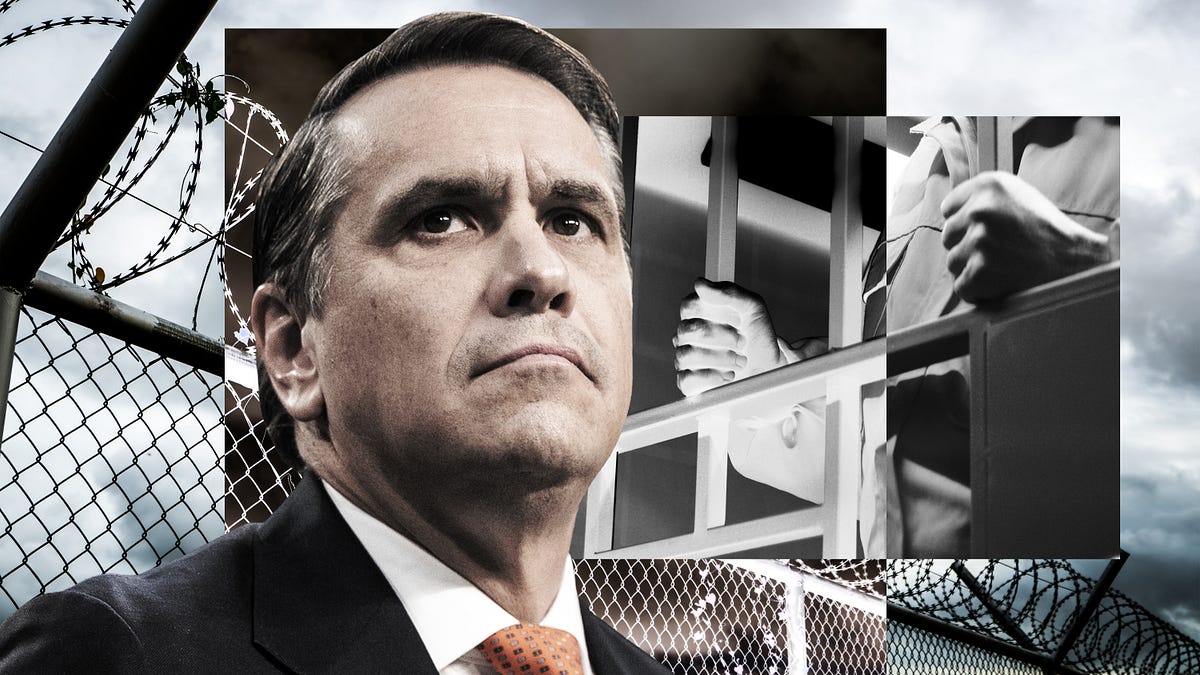
Cover image from thebulwark.com, which was analyzed for this article
Key Republicans postponed a vote on Blanche's confirmation as attorney general over concerns about Trump administration policies, including IRS settlements. Bipartisan hesitation emerged in committee proceedings.
PoliticalOS
Thursday, July 30, 2026 — Politics
The nomination delay stems from two retiring Republican senators insisting on written revisions to a specific IRS settlement rather than accepting verbal assurances from the nominee. The committee must still secure a majority before the full Senate can consider Blanche.
What outlets missed
A federal judge blocked the anti-weaponization fund in July 2026 on collusion grounds, providing concrete context for why written changes to the settlement text were sought. Cornyn and Tillis are both lame-duck senators who lost primaries or are retiring, removing reelection pressure from their stance. The exact dollar figure of the fund and the $10 billion original lawsuit demand appear in some accounts but were not uniformly corroborated across reports.
Two Republican senators have blocked a scheduled committee vote on Todd Blanche’s nomination to become attorney general, demanding written changes to a May settlement between the IRS and President Trump. The Senate Judiciary Committee postponed its markup, originally set for July 30, after Sens. John Cornyn of Texas and Thom Tillis of North Carolina said the Justice Department had not met their requests for binding assurances.
The settlement ended Trump’s $10 billion lawsuit against the IRS over the leak of his 2019 and 2020 tax returns by a convicted contractor. It created a now-canceled fund of roughly $1.8 billion for people claiming political weaponization by the Justice Department and barred the IRS from audits or enforcement actions tied to returns filed before the agreement. Blanche, serving as acting attorney general, oversaw the deal. Cornyn and Tillis want explicit language confirming the fund cannot be revived and that the audit protections apply only to returns filed before May 19, matching Blanche’s testimony that the settlement offers no prospective immunity.
The committee’s 12 Republicans and 10 Democrats require a majority to advance any nominee. All Democrats are expected to oppose Blanche. If either Cornyn or Tillis votes no, the nomination cannot move to the full Senate. Chairman Chuck Grassley’s office stated the delay allows continued work to secure support and described Blanche as highly qualified. A DOJ spokesperson said the department remains in communication with senators.
Cornyn canceled a second meeting with Blanche on July 29 after the department failed to provide the requested written clarifications. He told reporters he was “not prepared to vote yes” and accused the department of stonewalling. Tillis has raised parallel concerns. Both senators are retiring in January. Trump told reporters the nomination was “going through quite nicely.”
A federal judge had already blocked the anti-weaponization fund on grounds of collusion before the postponement. The senators’ demands focus on altering the signed settlement document itself rather than relying on Blanche’s hearing statements alone.
More in Politics

Federal Agents Search Omar Home in Ongoing Immigration Probe
Homeland Security agents searched the Minnesota Democrat's DC residence in a criminal probe, prompting accusations of political intimidation from Omar and Democratic leaders. Coverage spans left-leaning outlets like NPR, BBC, and The Guardian alongside right-leaning criticism from The Federalist and Daily Wire.

Trump Diesel Import Plan Draws Pushback Over Russia Ties
The weekend agreement drew bipartisan congressional pushback and criticism from Ukraine's Zelenskyy, with analysts downplaying US fuel price impacts. Right-leaning outlets like National Review, Dispatch, and Washington Examiner questioned its legality and effectiveness.

Independents Test Voter Appetite for Middle Ground in 2026 Midterms
Nearly 200 independents are running in competitive races as voters weigh ballot measures on housing costs in states like Massachusetts. Left-leaning coverage from NYT, NPR, and Guardian highlights turnout and key races while right outlets focus on GOP strategy.
Trump Rallies in Alaska, Ohio to Bolster GOP Senate Candidates
The president rallied in Wasilla for Sen. Dan Sullivan and faced empty seats at an Ohio event amid midterm concerns. Outlets across the spectrum covered the trips as signals of GOP vulnerability weeks before Election Day.
The Compass
You just read five takes on one story.
What's your take? Find your political shape in a few minutes.
Take the test