
Bondi Faces Closed-Door Epstein Files Questioning After Ouster
Cover image from theguardian.com, which was analyzed for this article
Former Attorney General Pam Bondi will face closed-door questioning from a House committee regarding the release and handling of Jeffrey Epstein documents. The appearance marks her first Capitol Hill return since leaving the DOJ. Democrats and Republicans alike are pressing for greater transparency on the files.
PoliticalOS
Friday, May 29, 2026 — Politics
The core unresolved issue is whether the Justice Department's partial release and redactions satisfied the Transparency Act's requirements or fell short of promised disclosure. Bondi's closed-door interview offers the first direct accounting since her removal, yet the transcribed format limits public visibility compared with earlier videotaped sessions.
What outlets missed
Most accounts omitted the precise statutory December 19, 2025 deadline under the Epstein Files Transparency Act and the department's claim that the January release represented full compliance after extensive review. Few detailed the scale of the withheld portion—approximately half the department's total Epstein-related holdings—or the specific legal bases cited for withholding, such as victim privacy and active investigations. Coverage also underplayed Bondi's February 2026 Judiciary Committee testimony quantifying reviewer hours and released images alongside the 3 million pages.
Former Attorney General Pam Bondi Faces Closed-Door Questioning Over Epstein Files Release
Former Attorney General Pam Bondi appeared Friday for a transcribed interview with the House Oversight Committee, marking her first return to Capitol Hill since her removal from the Justice Department. The session focused on the department's handling of documents tied to Jeffrey Epstein, including compliance with the Epstein Files Transparency Act and the release of millions of pages earlier this year.
The interview came after months of tension. The committee issued a subpoena in March while Bondi still held office, citing questions about delays and redactions in the files. Democrats on the panel had pushed a civil contempt resolution, and the Trump administration initially resisted her testimony once she left the post. Bondi ultimately agreed to participate voluntarily in the closed-door format, which allowed extended questioning without the constraints of a public hearing.
Lawmakers have raised several specific concerns. The department missed the December deadline set by Congress for full release, instead providing what officials described as complete materials in late January. Survivors of Epstein's abuse have pointed to instances where personal information appeared in the documents despite earlier assurances. Some lawmakers also noted redactions that removed references to President Trump, while others highlighted contradictory public statements from Bondi about the contents of the files during the campaign period.
Bondi has attributed problems to the volume of material and the short review period imposed by lawmakers. In prior public appearances, she defended the department's process and argued that lawyers worked under significant time pressure. The Epstein investigation itself concluded years earlier with Epstein's death in jail in 2019, but the files release became a focal point after Trump promised greater disclosure during his campaign.
The closed-door setting limits immediate public insight into Bondi's responses. Committee members from both parties have expressed interest in understanding why certain files were handled as they were and whether internal decisions reflected legal requirements or other considerations. Democrats have framed the appearance as necessary for accountability, while some Republicans have questioned whether the probe has veered into political territory.
The broader Epstein matter continues to draw attention because of its connections to powerful figures across political lines. Previous committee sessions have included testimony from figures like Bill Clinton, though those focused more on personal associations than on document management. Bondi's interview centers instead on the mechanics of government transparency and the practical limits of rapid, large-scale document production.
How the committee proceeds will depend in part on what emerges from the interview transcript. Oversight efforts like this often reveal gaps between statutory deadlines and administrative capacity, a recurring issue across administrations. The outcome could influence future expectations for how the Justice Department manages sensitive records when Congress mandates disclosure.
You just read Liberal's take. Want to read what actually happened?
More in Politics
Trump at 32% Approval as Gas Prices Test GOP Midterm Hopes
NYT/Siena polling showed Trump's approval at historic lows around 32 percent with Democrats leading by double digits in key districts. Early voting has surged in battleground states.

Record Early Voting Hits Battlegrounds, Shifting Partisan Shares
AP analysis found hundreds of thousands more early ballots than in 2022 in states including Texas, Ohio, Kansas, Maine, and North Carolina, shifting partisan dynamics.
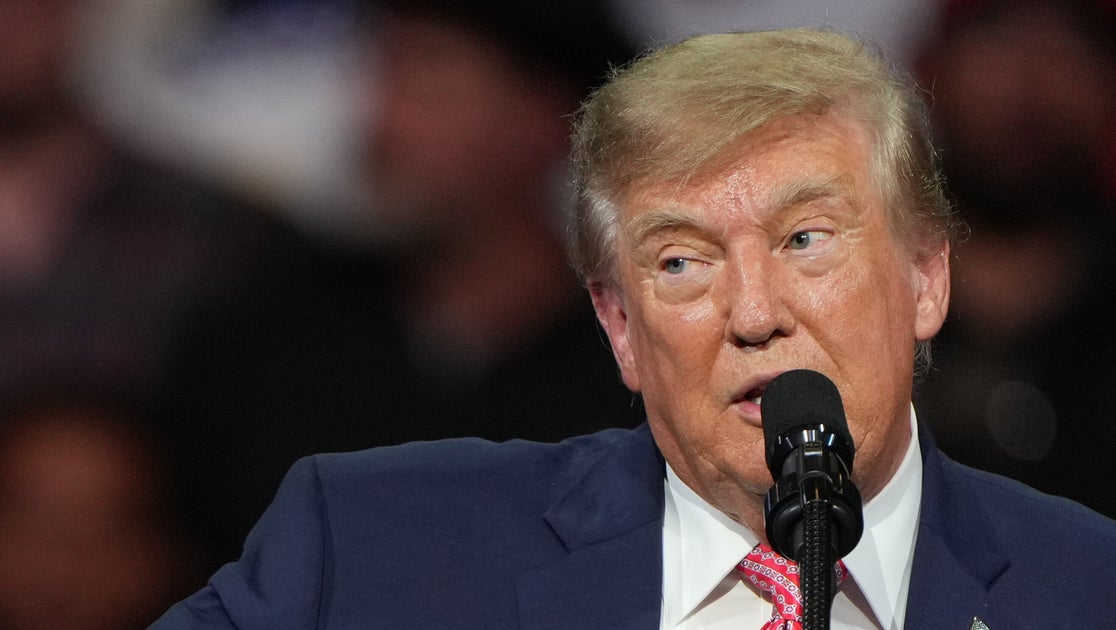
Trump Backs Marshall in Kansas Senate Race Tightened by Farm Costs
President Trump rallied in deep-red Kansas for GOP Sen. Roger Marshall in a competitive race, announcing an $8 billion farm fuel relief program amid high diesel prices. Democrats see an opening to end 94 years of GOP dominance in the state.

Trump Pauses Russia Sanctions Amid Ukraine Tensions and Missile Strikes
Trump waived sanctions on Russia and floated trilateral talks with Putin and Xi as part of ending the Ukraine war, while tensions rose with Zelenskyy over Starlink and arms. Bipartisan senators engaged Zelenskyy amid the shifts.
The Compass
You just read five takes on one story.
What's your take? Find your political shape in a few minutes.
Take the test