
Border Patrol Chief Banks Resigns After 16 Months, Citing Time for Family

Cover image from dailywire.com, which was analyzed for this article
U.S. Border Patrol Chief Mike Banks resigned suddenly after 16 months, citing 'it's just time,' amid ongoing immigration policy changes and a string of Trump administration exits. The resignation adds to shakeups in immigration enforcement. It was announced in a Fox News interview.
PoliticalOS
Thursday, May 14, 2026 — Politics
Banks' departure removes a key figure credited by supporters with sharp reductions in border encounters, yet occurs without a named replacement and amid unverified allegations that multiple outlets could not independently confirm. The change fits a wider pattern of turnover in immigration enforcement leadership during the second Trump term.
What outlets missed
Most coverage omitted that Banks' 37-year career included specific operational roles in investigations and prosecutions before his elevation. Few outlets provided CBP encounter data showing FY2025 totals at multi-decade lows or noted the absence of a confirmed successor. The unverified status of the Washington Examiner-linked allegations was rarely flagged, even when the story could not be independently located. Details on the scale of national defense areas established under Banks, covering nearly a third of the border with 7,600 troops, received little attention outside policy-focused reporting.
Border Patrol Chief Mike Banks Announces Immediate Retirement
US Border Patrol Chief Michael Banks has stepped down from his post effective immediately after serving in the role for roughly 16 months. Banks, who came out of retirement to lead the agency under the current administration, cited a desire to return to Texas and focus on family and his ranch.
In a statement to staff, Banks described the period as transformative, noting that agents had shifted the southern border from a state of historic disorder to the most secure level on record. He pointed to the quieting of crossings that had previously strained resources and communities across multiple states. Official tallies during his tenure showed sharp drops in illegal entries compared with the peaks seen in prior years, aligning with stepped-up enforcement policies that emphasized deterrence and operational control.
Banks, a 37-year veteran of federal law enforcement who enlisted in the military at age 17, framed the decision as one of timing rather than external pressure. He expressed confidence that the agency was closer than ever to full operational control, even while acknowledging ongoing work remained. Colleagues and superiors, including Customs and Border Protection Commissioner Rodney Scott, praised his decades of service and credited the leadership with restoring order after years of policy shifts that had encouraged surges in migration.
The departure fits a pattern of turnover among homeland security officials tasked with carrying out stricter immigration measures. Several high-profile exits have occurred in recent months, yet agency sources described Banks' move as planned and personal rather than the result of internal conflict. Morale among rank-and-file agents has reportedly risen with the enforcement changes, as field reports indicated fewer daily crises at processing facilities and greater capacity to focus on core patrol duties.
Some outlets have referenced older allegations involving Banks' personal conduct abroad, claims that date back more than a decade and were reviewed by agency investigators without resulting in formal discipline. The matters were described as closed by department spokesmen. Banks has not addressed those reports directly in his resignation comments, instead directing attention to the measurable outcomes achieved on the border.
Data from Customs and Border Protection shows encounters at the southwest border fell to multi-year lows during the past year and a half, reducing the fiscal and logistical burdens on border states and interior cities alike. This shift occurred alongside expanded use of expedited removals and cooperation with local authorities, moves that echoed long-standing arguments for consistent rule enforcement over discretionary leniency. Banks' background, including early work alongside migrant laborers in Georgia peach fields, reportedly shaped his view that orderly legal processes serve both security needs and individual opportunity.
Successors will inherit an agency operating from a stronger baseline than the one faced upon his appointment. The emphasis remains on sustaining the gains through sustained resources and policy continuity rather than repeated resets. Banks' letter to agents closed by affirming support for their continued efforts to maintain the progress achieved.
You just read Conservative's take. Want to read what actually happened?
More in Politics
Trump at 32% Approval as Gas Prices Test GOP Midterm Hopes
NYT/Siena polling showed Trump's approval at historic lows around 32 percent with Democrats leading by double digits in key districts. Early voting has surged in battleground states.

Record Early Voting Hits Battlegrounds, Shifting Partisan Shares
AP analysis found hundreds of thousands more early ballots than in 2022 in states including Texas, Ohio, Kansas, Maine, and North Carolina, shifting partisan dynamics.
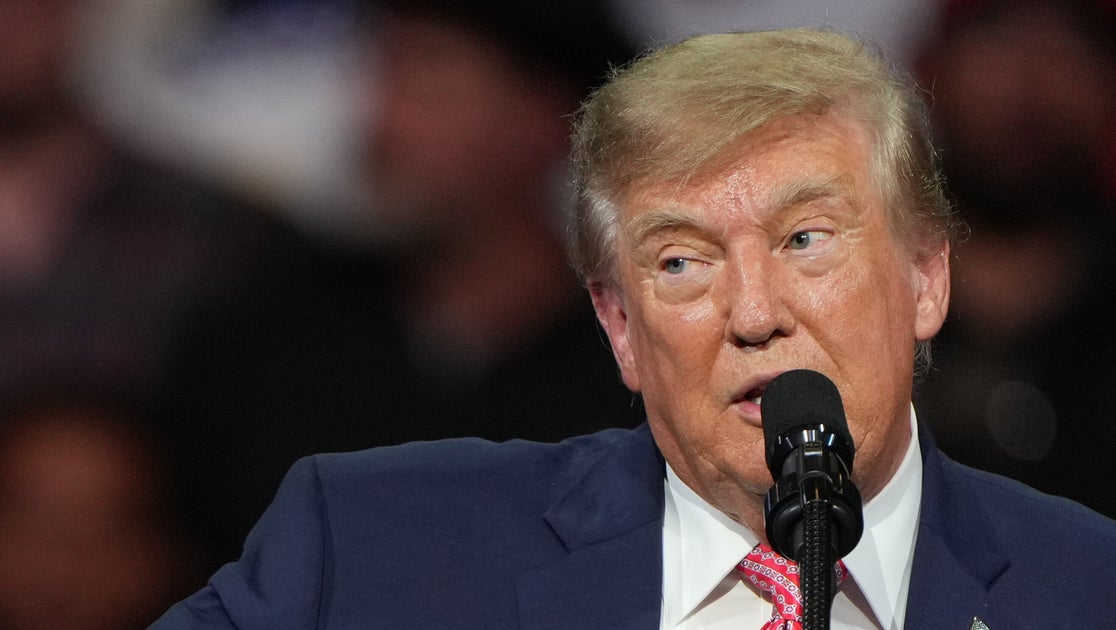
Trump Backs Marshall in Kansas Senate Race Tightened by Farm Costs
President Trump rallied in deep-red Kansas for GOP Sen. Roger Marshall in a competitive race, announcing an $8 billion farm fuel relief program amid high diesel prices. Democrats see an opening to end 94 years of GOP dominance in the state.

Trump Pauses Russia Sanctions Amid Ukraine Tensions and Missile Strikes
Trump waived sanctions on Russia and floated trilateral talks with Putin and Xi as part of ending the Ukraine war, while tensions rose with Zelenskyy over Starlink and arms. Bipartisan senators engaged Zelenskyy amid the shifts.
The Compass
You just read five takes on one story.
What's your take? Find your political shape in a few minutes.
Take the test