
California Billionaire Tax Clears Path to November Ballot
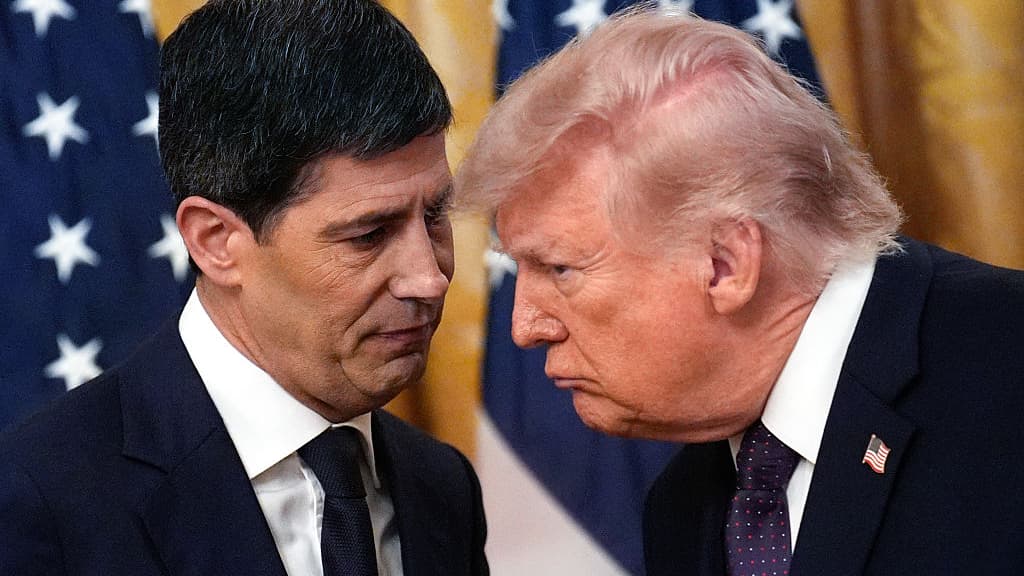
Cover image from businessinsider.com, which was analyzed for this article
A proposed wealth tax on billionaires qualified for the November ballot after gathering sufficient signatures. The measure faces potential negotiation or opposition from Governor Newsom and business groups.
PoliticalOS
Thursday, June 18, 2026 — Business
The measure has cleared the signature threshold and will reach voters unless withdrawn by June 25. Its fate hinges on whether Californians accept a large levy on billionaires to offset federal healthcare cuts or reject it over economic concerns. Prediction markets currently see low odds of passage even if it appears on the ballot.
What outlets missed
Neither outlet examined how the tax’s retroactive date interacts with existing state residency rules or capital-gains timing. Coverage also omitted any estimate of how many of California’s roughly 200 billionaires would be affected after asset shifts already reported. The possibility that the measure could be withdrawn before June 25 received only passing mention despite its direct effect on the November ballot.
California voters may soon decide whether to impose a one-time tax of up to 5 percent on residents and trusts holding more than $1 billion in assets. The measure would raise an estimated $100 billion, with 90 percent directed to healthcare programs and the rest to food assistance and education. It would apply to those who lived in the state on January 1, 2026, and allow payment over five years, with property excluded from the base.
The proposal reached this point after supporters submitted nearly 1.6 million signatures in April. On June 17 the secretary of state confirmed enough valid signatures, so the initiative will appear on the November 3 ballot unless its backers withdraw it by June 25. Federal healthcare funding reductions approved by President Trump and Congress form the immediate backdrop; backers argue the new levy would offset those losses.
Governor Gavin Newsom has opposed the measure, citing risks that wealthy residents would leave the state. The Service Employees International Union-United Healthcare Workers West supports it. Other Democratic-aligned groups, including Planned Parenthood affiliates and the California Teachers Association, have lined up against it. Prediction markets on Kalshi and Polymarket placed the chance of ballot placement near 50 percent after reports of Newsom’s efforts to block it, down from above 80 percent earlier; the same markets gave the measure roughly an 18-19 percent chance of voter approval.
Opponents have raised more than $118 million through groups such as Building a Better California. Sergey Brin supplied the largest share. Separate committees backed by Ripple Labs and investor Ron Conway have also received millions. Some billionaires have already shifted assets or opened offices outside California. The state’s legislative analyst has noted that actual collections would be difficult to forecast because of stock-price swings and possible taxpayer relocation.
If the measure and any competing initiatives both pass, the version receiving the most votes would prevail under state rules. The central question remains whether voters will accept a large levy on a small number of residents to address healthcare shortfalls or will reject it over concerns about revenue stability and economic effects.
More in Business & Economy
Fed Raises Rates 0.25 Points to Fight Inflation Despite Trump Pushback
The Federal Reserve hiked its benchmark rate by 0.25 points in a unanimous vote, its first since 2023, to combat inflation tied to energy shocks. President Trump publicly attacked the decision and called for cuts weeks before midterms.

Stocks Rise, Oil Drops Below $104 After Fed Hike
Stocks pointed higher after the rate hike while Treasury yields eased and oil retreated below $104. Generac shares surged on a data center deal.

Treasury yields hit 19-year high as oil tops $107 on Saudi strikes
The 10-year Treasury yield reached its highest level since 2007 near 5% as oil prices climbed above $100 on Middle East tensions. Markets are pricing in Fed rate hikes and inflation concerns.

Fed rate hike odds climb as inflation lingers from energy shocks
The Federal Reserve hiked its benchmark rate by 0.25 points in a unanimous vote, its first since 2023, to combat inflation tied to energy shocks. President Trump publicly attacked the decision and called for cuts weeks before midterms.
The Compass
You just read five takes on one story.
What's your take? Find your political shape in a few minutes.
Take the test