
California Billionaire Tax Clears Path to November Ballot
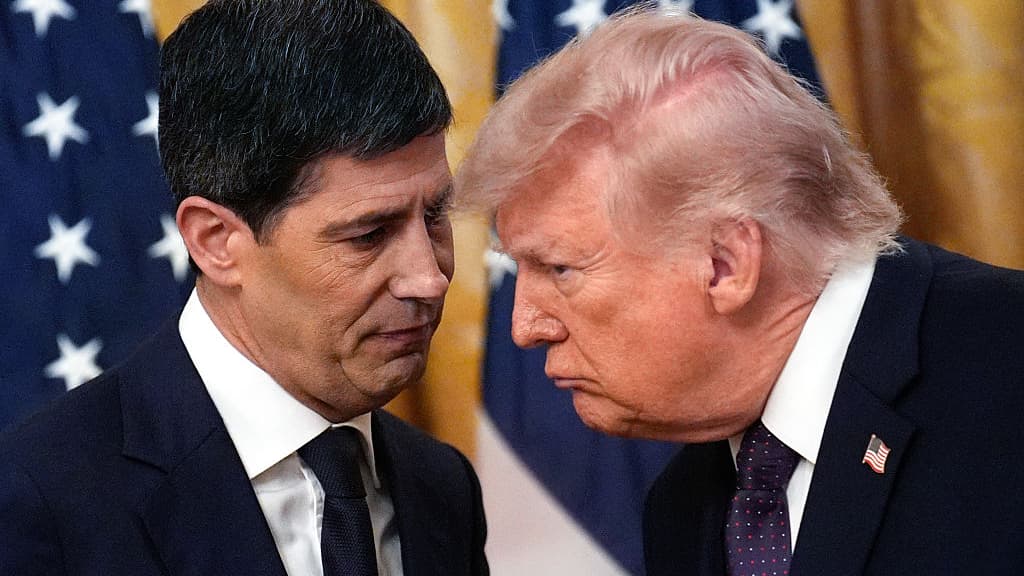
Cover image from businessinsider.com, which was analyzed for this article
A proposed wealth tax on billionaires qualified for the November ballot after gathering sufficient signatures. The measure faces potential negotiation or opposition from Governor Newsom and business groups.
PoliticalOS
Thursday, June 18, 2026 — Business
The measure has cleared the signature threshold and will reach voters unless withdrawn by June 25. Its fate hinges on whether Californians accept a large levy on billionaires to offset federal healthcare cuts or reject it over economic concerns. Prediction markets currently see low odds of passage even if it appears on the ballot.
What outlets missed
Neither outlet examined how the tax’s retroactive date interacts with existing state residency rules or capital-gains timing. Coverage also omitted any estimate of how many of California’s roughly 200 billionaires would be affected after asset shifts already reported. The possibility that the measure could be withdrawn before June 25 received only passing mention despite its direct effect on the November ballot.
California's Proposed Billionaire Tax Advances to November Ballot
A measure that would impose a one-time levy of up to 5 percent on the assets of California residents and trusts valued above 1 billion dollars has cleared a key procedural hurdle and appears headed for the November ballot. The proposal, which would direct most of the projected 100 billion dollars in revenue toward healthcare programs, now faces a June 25 certification deadline and determined opposition from Sacramento.
The California secretary of state's office confirmed Wednesday that supporters submitted enough valid signatures from the nearly 1.6 million collected in April. The initiative requires only a simple majority to pass if it reaches voters. Under its terms, the tax could be paid over five years and would exempt certain assets such as real property. Ninety percent of proceeds would support healthcare, with the rest allocated to food assistance and education.
Supporters argue the tax is needed to offset federal healthcare reductions enacted by the Trump administration and Republican Congress. They contend the cuts will strain state resources for low-income residents already covered by Medi-Cal and other programs. Yet the measure arrives against a backdrop of well-documented volatility in California's revenue system, which relies heavily on taxes paid by top earners whose income fluctuates with capital gains, executive compensation, and investment returns.
Prediction markets reflect considerable skepticism that the tax will ultimately become law. As of Wednesday, traders on Kalshi and Polymarket assigned roughly an 18 to 19 percent chance of passage, down sharply from levels above 80 percent earlier this month. The drop followed reports that Governor Gavin Newsom is actively working to prevent the measure from qualifying. Newsom had previously signaled opposition, citing risks to the state's economic competitiveness and long-term fiscal stability.
Opponents, including business groups and some fiscal analysts, describe the proposal as a short-term response that fails to address structural budget pressures. They note that any one-time extraction from a narrow set of households could distort investment decisions and prompt relocation of assets or residents, further concentrating revenue risk. The state's existing dependence on high-income taxpayers already produces sharp swings in collections during market downturns, complicating multiyear planning for major programs such as healthcare.
If the initiative survives certification, the campaign is expected to be expensive and closely watched. Proponents will need to persuade voters that the tax represents a necessary backstop against federal policy shifts. Opponents will emphasize potential damage to job creation and the broader tax base that funds schools, infrastructure, and safety-net services. The outcome will also test whether prediction markets, which have incorporated the latest political maneuvering, accurately forecast voter behavior on a high-stakes redistributive question.
You just read Liberal's take. Want to read what actually happened?
More in Business & Economy
Fed Raises Rates 0.25 Points to Fight Inflation Despite Trump Pushback
The Federal Reserve hiked its benchmark rate by 0.25 points in a unanimous vote, its first since 2023, to combat inflation tied to energy shocks. President Trump publicly attacked the decision and called for cuts weeks before midterms.

Stocks Rise, Oil Drops Below $104 After Fed Hike
Stocks pointed higher after the rate hike while Treasury yields eased and oil retreated below $104. Generac shares surged on a data center deal.

Treasury yields hit 19-year high as oil tops $107 on Saudi strikes
The 10-year Treasury yield reached its highest level since 2007 near 5% as oil prices climbed above $100 on Middle East tensions. Markets are pricing in Fed rate hikes and inflation concerns.

Fed rate hike odds climb as inflation lingers from energy shocks
The Federal Reserve hiked its benchmark rate by 0.25 points in a unanimous vote, its first since 2023, to combat inflation tied to energy shocks. President Trump publicly attacked the decision and called for cuts weeks before midterms.
The Compass
You just read five takes on one story.
What's your take? Find your political shape in a few minutes.
Take the test