
California Mail Ballot Delays Fuel Trump Fraud Claims
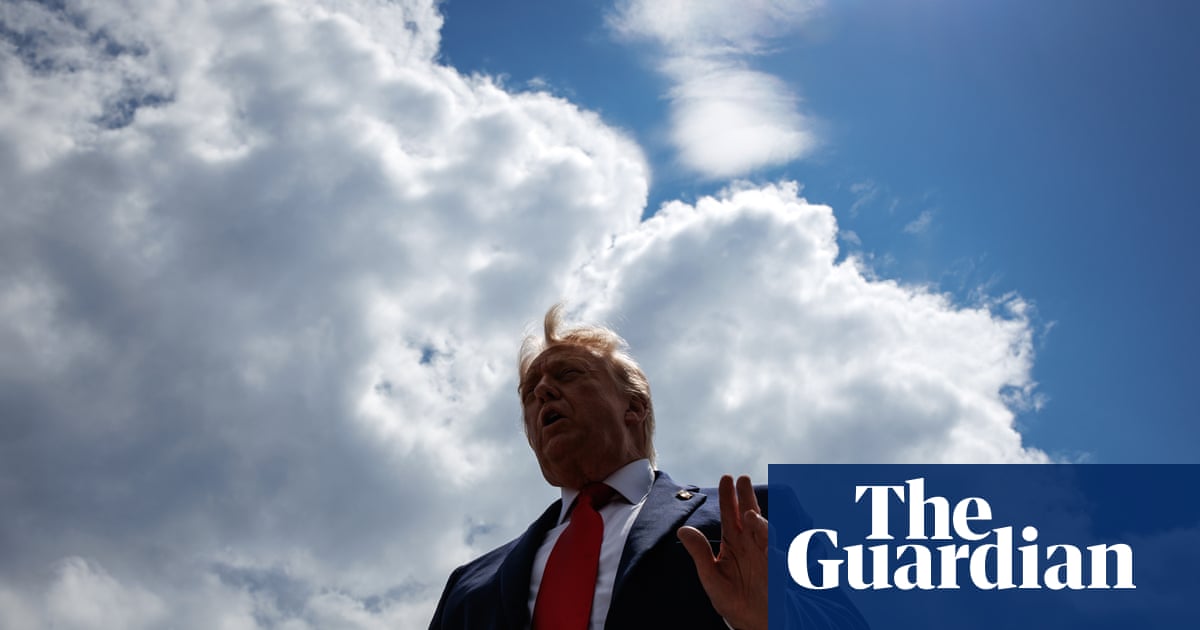
Cover image from theguardian.com, which was analyzed for this article
Routine delays in California vote counting prompted Trump and GOP fraud allegations despite no evidence of irregularities.
PoliticalOS
Tuesday, June 9, 2026 — Politics
California's mail-ballot rules create predictable multi-week counts that have repeatedly produced shifting leads. Trump has linked these delays to federal investigations, yet no verified irregularities have been documented by courts or state audits to date. The central tension is whether additional federal involvement will surface concrete cases or simply extend existing partisan disputes over access versus verification speed.
What outlets missed
Neither outlet detailed the exact seven-day postmark window or 22-day cure period with data on how often late ballots alter outcomes. Historical instances of prosecuted mail-ballot fraud in California were omitted, leaving readers without scale for the current allegations. The articles also skipped state-level Republican proposals for same-day in-person counting pilots that could address timing concerns without altering access rules.
California's Ballot Counting Process Sparks Fraud Concerns
California's primary elections have once again highlighted the challenges of mail-in ballot systems, with late-counted votes shifting outcomes in key races and prompting allegations of irregularities from President Trump. In Los Angeles, early returns showed reality television personality Spencer Pratt holding a lead for a mayoral runoff spot, only for City Councilmember Nithya Raman to overtake him as additional mail ballots were tallied over several days.
Registered Democrats outnumber Republicans nearly three to one in Los Angeles County, a demographic reality that aligns with Raman's eventual surge. Election officials attribute the delay to standard procedures for verifying and processing mail ballots postmarked by Election Day, which can arrive and be counted well after initial tallies. This pattern, sometimes called a red mirage where Republican leads fade, has repeated in prior cycles involving heavy mail voting.
Trump described the shifts as evidence of fraud, drawing parallels to past contests and criticizing the process during a Meet the Press appearance. His comments led to an abrupt end to the interview segment. Supporters amplified the claims online, viewing the sequential release of ballots as suspicious rather than a logistical outcome of expanded mail options.
Pro-democracy groups such as Common Cause have countered that no widespread illegal voting has been documented and that the president's rhetoric undermines public confidence. They note California's system includes signature verification and other safeguards, though processing times extend for weeks in a state of nearly 40 million people. Critics of the system point out that mail ballots often favor one party in urban areas and that centralized counting reduces opportunities for real-time observation compared with in-person voting.
The Los Angeles mayoral contest serves as one data point in a larger midterm cycle. Pratt's campaign gained traction on issues like homelessness and local governance failures, yet the baseline partisan split limited his path. Similar dynamics played out elsewhere in the state, where initial Republican advantages narrowed with each batch of mail returns.
Historical data on voting methods shows mail ballots carry higher rejection rates for errors like mismatched signatures, yet the volume processed here minimized such effects in the final counts. Election administrators maintain the process complies with state law, while skeptics argue that prolonged tabulation periods create openings for disputes regardless of intent.
Trump's approach reflects a consistent pattern of questioning results that diverge from early snapshots, a stance rooted in his 2020 experience. Federal involvement remains limited in state and local races, though administration appointees with election oversight roles could influence future standards. The episode underscores ongoing tensions between convenience-focused voting expansions and demands for transparent, auditable counts that minimize post-election surprises.
You just read Conservative's take. Want to read what actually happened?
More in Politics
Trump at 32% Approval as Gas Prices Test GOP Midterm Hopes
NYT/Siena polling showed Trump's approval at historic lows around 32 percent with Democrats leading by double digits in key districts. Early voting has surged in battleground states.

Record Early Voting Hits Battlegrounds, Shifting Partisan Shares
AP analysis found hundreds of thousands more early ballots than in 2022 in states including Texas, Ohio, Kansas, Maine, and North Carolina, shifting partisan dynamics.
Trump Backs Marshall in Kansas Senate Race Tightened by Farm Costs
President Trump rallied in deep-red Kansas for GOP Sen. Roger Marshall in a competitive race, announcing an $8 billion farm fuel relief program amid high diesel prices. Democrats see an opening to end 94 years of GOP dominance in the state.

Trump Pauses Russia Sanctions Amid Ukraine Tensions and Missile Strikes
Trump waived sanctions on Russia and floated trilateral talks with Putin and Xi as part of ending the Ukraine war, while tensions rose with Zelenskyy over Starlink and arms. Bipartisan senators engaged Zelenskyy amid the shifts.
The Compass
You just read five takes on one story.
What's your take? Find your political shape in a few minutes.
Take the test