
California Mail Ballot Delays Fuel Trump Fraud Claims
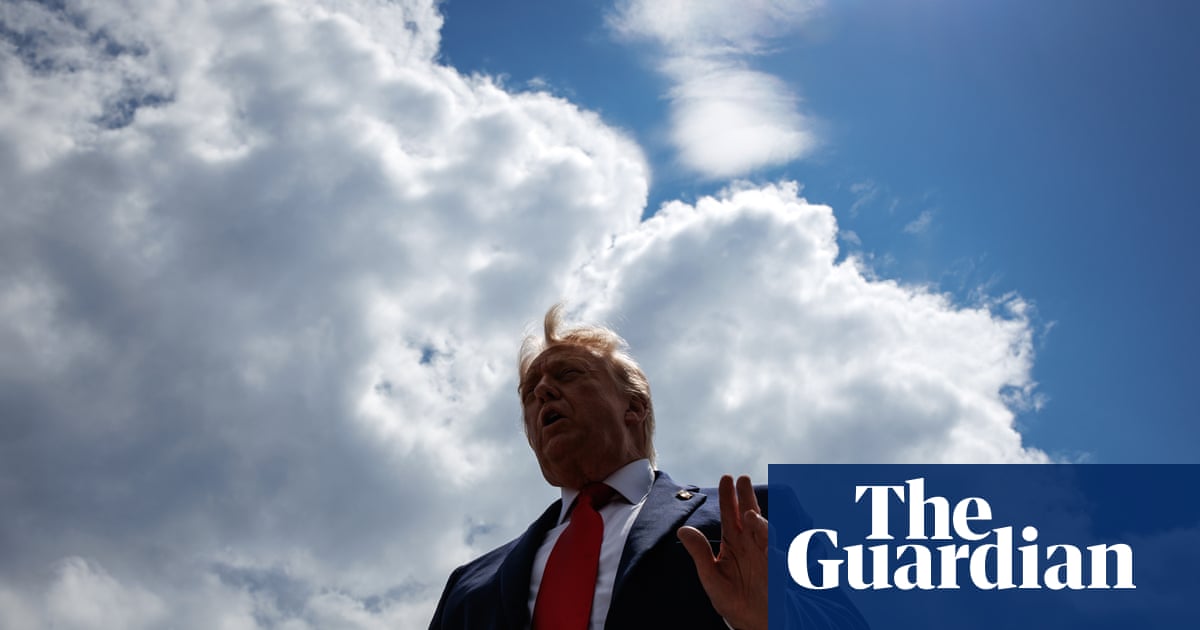
Cover image from theguardian.com, which was analyzed for this article
Routine delays in California vote counting prompted Trump and GOP fraud allegations despite no evidence of irregularities.
PoliticalOS
Tuesday, June 9, 2026 — Politics
California's mail-ballot rules create predictable multi-week counts that have repeatedly produced shifting leads. Trump has linked these delays to federal investigations, yet no verified irregularities have been documented by courts or state audits to date. The central tension is whether additional federal involvement will surface concrete cases or simply extend existing partisan disputes over access versus verification speed.
What outlets missed
Neither outlet detailed the exact seven-day postmark window or 22-day cure period with data on how often late ballots alter outcomes. Historical instances of prosecuted mail-ballot fraud in California were omitted, leaving readers without scale for the current allegations. The articles also skipped state-level Republican proposals for same-day in-person counting pilots that could address timing concerns without altering access rules.
California Mail Ballot Backlog Raises Fresh Doubts Over Election Fairness
California's drawn-out vote counting process has once again produced the kind of late-night reversals that leave many voters wondering whether the system is built for transparency or for manipulation. In Los Angeles, early returns showed reality television personality Spencer Pratt holding a strong position in the mayoral race, only for mail ballots counted days later to hand the advantage to City Councilmember Nithya Raman. Registered Democrats outnumber Republicans nearly three to one in the county, yet the mechanics of collecting and tabulating those ballots over weeks have turned routine arithmetic into a recurring flashpoint.
President Trump has pointed to the pattern and called it out as suspicious. Critics in the media and advocacy groups immediately labeled the concerns baseless and accused him of inventing fraud. Those same voices spent years insisting that expanded mail voting during the pandemic posed no risk, even as states like California made it easier to send ballots without strict verification steps. The result is a system where ballots postmarked on Election Day can trickle in for days or weeks, creating the appearance of engineered comebacks once initial tallies are reported.
The Los Angeles example fits a broader trend visible in past cycles. Early Republican leads that shrink after mail batches arrive are dismissed as the natural outcome of a deliberate counting order. Yet the public rarely sees the chain of custody for those ballots, the signature verification standards applied, or the safeguards against ballots arriving from outside the legal window. When officials plead for patience while the numbers shift dramatically, the gap between official reassurance and observable results grows wider.
Trump's frustration boiled over during a recent interview when a journalist pressed him on the California claims. He walked off the set rather than accept the premise that questioning slow counts equals attacking democracy. Supporters see this as consistent with his long-standing view that loose election rules invite abuse. Opponents treat any such skepticism as a threat to the republic itself, especially now that Trump holds the White House and has placed allies in key federal positions.
The scale of California's mail voting makes the issue hard to wave away. The state's population and its heavy reliance on ballots sent through the postal system mean small changes in verification or curing procedures can affect thousands of votes. Democrats and election administrators argue the delays simply reflect the need to count every legal ballot. That argument would carry more weight if the same officials had shown equal zeal for same-day in-person voting or for requiring voter ID across the board.
Instead, the conversation quickly turns to warnings about past events and future dangers. References to 2021 surface whenever Trump raises the topic, framing any doubt as preparation for unrest rather than a response to observable process flaws. Meanwhile, the actual mechanics in places like Los Angeles receive less scrutiny. A candidate can lead on election night, fall behind after days of mail counting, and still be told the outcome is beyond question.
Voters are left to decide whether repeated late surges are coincidence or the predictable result of a system that prioritizes volume over speed and verification. California's primary results will feed into the larger debate heading into November, where the same mail procedures will apply statewide. The president has made clear he intends to keep highlighting these issues. The question is whether the institutions running the elections will address the timing and transparency problems or continue to treat public skepticism as the real danger.
You just read America First's take. Want to read what actually happened?
More in Politics
Trump at 32% Approval as Gas Prices Test GOP Midterm Hopes
NYT/Siena polling showed Trump's approval at historic lows around 32 percent with Democrats leading by double digits in key districts. Early voting has surged in battleground states.

Record Early Voting Hits Battlegrounds, Shifting Partisan Shares
AP analysis found hundreds of thousands more early ballots than in 2022 in states including Texas, Ohio, Kansas, Maine, and North Carolina, shifting partisan dynamics.
Trump Backs Marshall in Kansas Senate Race Tightened by Farm Costs
President Trump rallied in deep-red Kansas for GOP Sen. Roger Marshall in a competitive race, announcing an $8 billion farm fuel relief program amid high diesel prices. Democrats see an opening to end 94 years of GOP dominance in the state.

Trump Pauses Russia Sanctions Amid Ukraine Tensions and Missile Strikes
Trump waived sanctions on Russia and floated trilateral talks with Putin and Xi as part of ending the Ukraine war, while tensions rose with Zelenskyy over Starlink and arms. Bipartisan senators engaged Zelenskyy amid the shifts.
The Compass
You just read five takes on one story.
What's your take? Find your political shape in a few minutes.
Take the test