
California Mail Ballot Delays Fuel Trump Fraud Claims
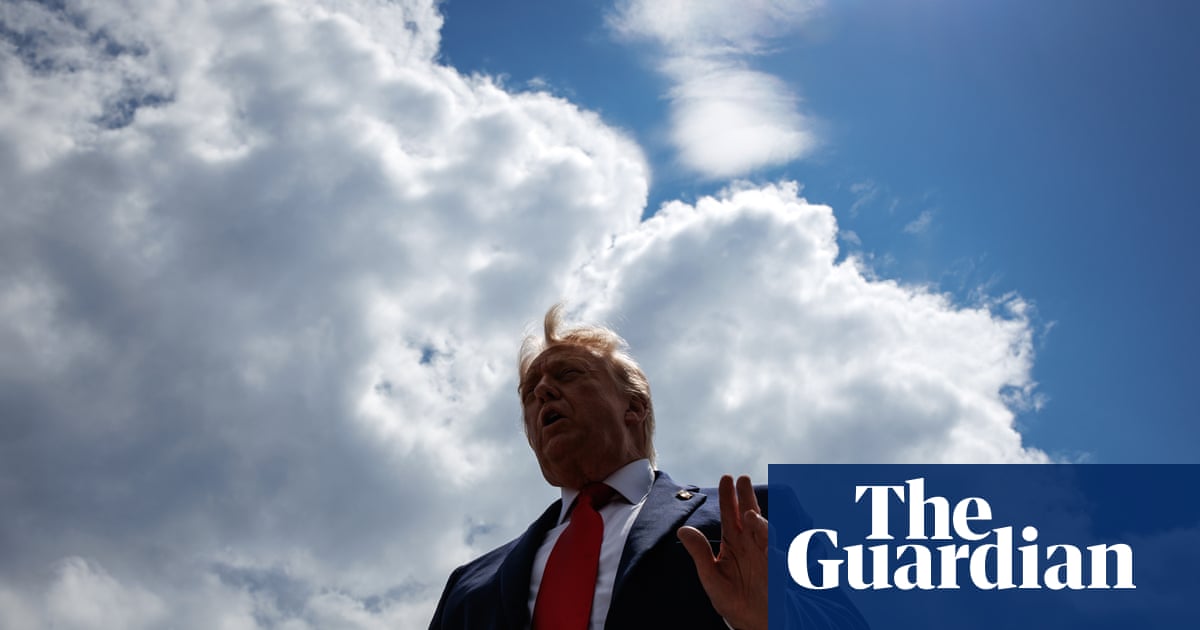
Cover image from theguardian.com, which was analyzed for this article
Routine delays in California vote counting prompted Trump and GOP fraud allegations despite no evidence of irregularities.
PoliticalOS
Tuesday, June 9, 2026 — Politics
California's mail-ballot rules create predictable multi-week counts that have repeatedly produced shifting leads. Trump has linked these delays to federal investigations, yet no verified irregularities have been documented by courts or state audits to date. The central tension is whether additional federal involvement will surface concrete cases or simply extend existing partisan disputes over access versus verification speed.
What outlets missed
Neither outlet detailed the exact seven-day postmark window or 22-day cure period with data on how often late ballots alter outcomes. Historical instances of prosecuted mail-ballot fraud in California were omitted, leaving readers without scale for the current allegations. The articles also skipped state-level Republican proposals for same-day in-person counting pilots that could address timing concerns without altering access rules.
Trump Claims Fraud in California Vote Count as Mail Ballots Shift Results
Donald Trump has intensified accusations of widespread fraud in California's recent primary elections, focusing on the slow counting of mail ballots that has narrowed or reversed early leads for Republican candidates. The president's comments follow a pattern he has used since 2020, but they arrive as his administration includes more officials aligned with his view that election procedures themselves can indicate illegitimacy.
California's vote tabulation often produces what election analysts call a "red mirage." In-person ballots, which tend to favor Republicans, are counted first on election night. Mail ballots, which lean Democratic, arrive and are processed over subsequent days or weeks. This sequence is driven by state law that allows ballots postmarked by Election Day to be counted if they arrive within a set window. In Los Angeles, the mayoral race illustrated the effect. Early returns showed reality television personality Spencer Pratt holding a strong position for a runoff spot. Later batches of mail ballots lifted City Councilmember Nithya Raman into second place behind Mayor Karen Bass. Registered Democrats outnumber Republicans by nearly three to one in Los Angeles County, a structural fact that makes late shifts in that direction routine rather than anomalous.
Trump described the process as evidence of cheating, without presenting documentation of illegal ballots. He cut short a weekend interview after a reporter questioned the basis for his statements. Supporters amplified the claims across social media and conservative outlets, treating each new batch of counted mail votes as confirmation of a coordinated effort. Election officials in California have stated that all ballots are verified through signature matching and other checks required by state law, and no evidence of systemic fraud has emerged from prior audits.
The current cycle differs from 2020 in one key respect. Trump now leads an administration that includes appointees who have previously questioned election outcomes. This raises questions among democracy researchers about how federal agencies might respond if similar disputes arise in November's midterms. Groups that monitor voting access, such as Common Cause, argue that the focus on fraud allegations diverts attention from the predictable mechanics of mail voting, which expanded during the pandemic and has remained popular with many voters.
California is the largest state to hold primaries so far this year, giving its results outsize visibility. The state's size and reliance on mail ballots make it an early test of whether routine counting delays will be reframed as proof of misconduct. Historical data from multiple states show that the partisan gap between early and late counts narrows or disappears once all legal ballots are tallied. Researchers have found no corresponding spike in proven fraud cases tied to mail voting.
Trump's approach has remained consistent across different contexts. He has questioned outcomes ranging from television awards to presidential results when they did not favor him. The difference now is the institutional setting. With loyalists in key positions, the threshold for turning skepticism into formal challenges may be lower than in the previous term. State and local officials remain responsible for certifying results, but federal statements can shape public perception and pressure those processes.
For the remainder of the cycle, the pattern is likely to repeat wherever mail ballots produce late movement toward Democratic candidates. The underlying voter registration and turnout differences explain most of the observed shifts. Whether those explanations will be accepted depends less on new evidence than on the political environment in which the counts occur.
You just read Liberal's take. Want to read what actually happened?
More in Politics

Trump at 32% Approval as Gas Prices Test GOP Midterm Hopes
NYT/Siena polling showed Trump's approval at historic lows around 32 percent with Democrats leading by double digits in key districts. Early voting has surged in battleground states.

Record Early Voting Hits Battlegrounds, Shifting Partisan Shares
AP analysis found hundreds of thousands more early ballots than in 2022 in states including Texas, Ohio, Kansas, Maine, and North Carolina, shifting partisan dynamics.

Trump Backs Marshall in Kansas Senate Race Tightened by Farm Costs
President Trump rallied in deep-red Kansas for GOP Sen. Roger Marshall in a competitive race, announcing an $8 billion farm fuel relief program amid high diesel prices. Democrats see an opening to end 94 years of GOP dominance in the state.

Trump Pauses Russia Sanctions Amid Ukraine Tensions and Missile Strikes
Trump waived sanctions on Russia and floated trilateral talks with Putin and Xi as part of ending the Ukraine war, while tensions rose with Zelenskyy over Starlink and arms. Bipartisan senators engaged Zelenskyy amid the shifts.
The Compass
You just read five takes on one story.
What's your take? Find your political shape in a few minutes.
Take the test