
California Mail Ballot Delays Fuel Trump Fraud Claims
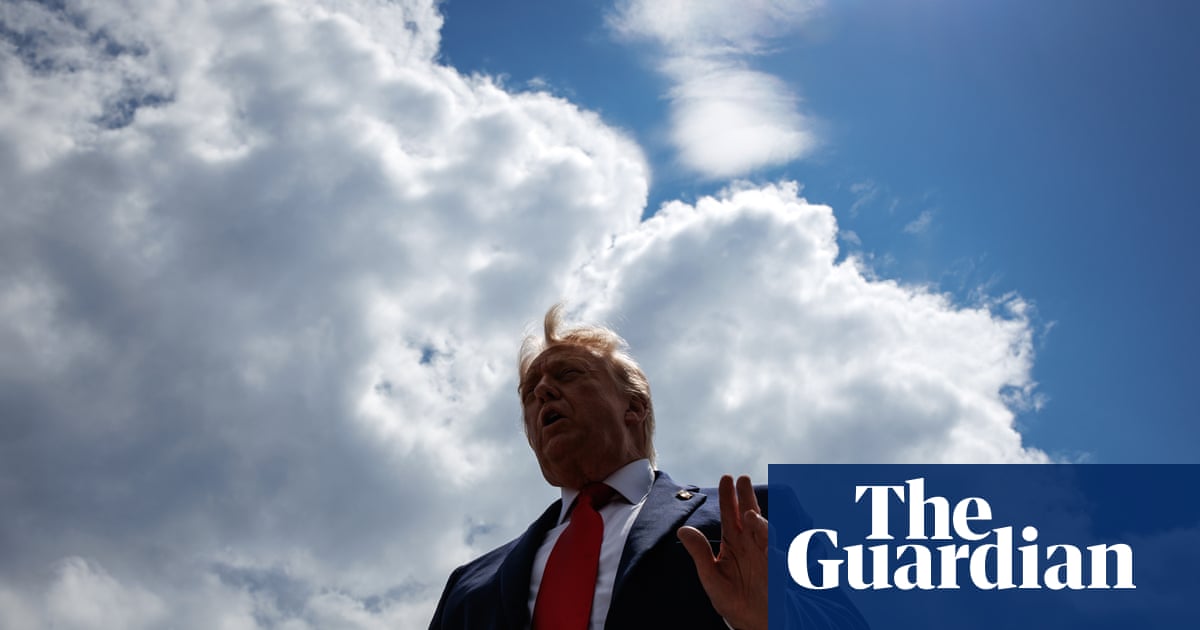
Cover image from theguardian.com, which was analyzed for this article
Routine delays in California vote counting prompted Trump and GOP fraud allegations despite no evidence of irregularities.
PoliticalOS
Tuesday, June 9, 2026 — Politics
California's mail-ballot rules create predictable multi-week counts that have repeatedly produced shifting leads. Trump has linked these delays to federal investigations, yet no verified irregularities have been documented by courts or state audits to date. The central tension is whether additional federal involvement will surface concrete cases or simply extend existing partisan disputes over access versus verification speed.
What outlets missed
Neither outlet detailed the exact seven-day postmark window or 22-day cure period with data on how often late ballots alter outcomes. Historical instances of prosecuted mail-ballot fraud in California were omitted, leaving readers without scale for the current allegations. The articles also skipped state-level Republican proposals for same-day in-person counting pilots that could address timing concerns without altering access rules.
Trump escalates unfounded fraud claims in California as mail ballot counts erode Republican leads
President Donald Trump has intensified his attacks on California’s election process, declaring widespread fraud in the state’s primaries despite a lack of evidence, as slow mail ballot tabulations reversed early Republican advantages in several races. The moves come weeks before the November midterms and follow a pattern of unsubstantiated allegations that experts say threaten to undermine public confidence in voting.
Trump’s latest outburst occurred during a taped interview on Meet the Press, when a journalist questioned his assertions about irregularities in California. The president abruptly ended the exchange and walked off set, according to people familiar with the recording that aired over the weekend. His comments centered on the state’s weeks-long count of mail ballots, which has produced what election analysts describe as a recurring “red mirage” in which Republican candidates appear ahead on election night only to see those margins shrink or disappear as later ballots arrive.
In Los Angeles, the mayoral race has become a focal point for these claims. Reality television personality Spencer Pratt, running as a populist outsider, held a strong position in early returns but fell behind City Councilmember Nithya Raman after additional mail ballots were processed. Registered Democrats outnumber Republicans nearly three to one in Los Angeles County, and Raman’s surge aligned with the predictable arrival of ballots postmarked by Election Day. Trump allies have nevertheless portrayed the routine administrative process as evidence of a coordinated theft, echoing rhetoric used after the 2020 presidential contest.
Election integrity advocates say the president is manufacturing controversy where none exists. Omar Noureldin of Common Cause noted that California’s procedures are transparent and legal, with mail ballots required to meet strict deadlines and signature verification standards. The real issue, Noureldin argued, is a sitting president who refuses to accept outcomes that do not favor his party and instead sows doubt to rally supporters.
This approach marks a departure from 2020 in one critical respect. Trump now leads an administration filled with loyalists who have previously questioned election results, raising concerns that federal agencies could be pressured to intervene in state processes. Pro-democracy groups warn that the combination of repeated false claims and institutional power could test democratic safeguards more severely than in previous cycles.
California officials have urged patience, emphasizing that the extended timeline allows every eligible vote to be counted accurately. Mail ballots take longer to process because they must be verified individually, a safeguard designed to prevent fraud rather than enable it. Trump and his allies have dismissed these explanations, treating the delay itself as proof of misconduct.
The episode illustrates how the president’s strategy adapts to different electoral contexts. In deep-blue California, even modest Republican showings on election night can be framed as the “real” result once later ballots favor Democrats. Similar dynamics played out in the 2020 contest, when early leads in key states evaporated. Experts tracking voting trends say the pattern is structural, driven by partisan differences in how voters cast ballots, not by illegal activity.
As midterms approach, the White House’s focus on California signals that challenges to results may intensify wherever Republicans underperform. Without concrete evidence of widespread fraud, the claims rest on the same foundation that failed to alter the 2020 outcome in court. For now, the president’s rhetoric continues to shape coverage on right-wing media outlets, where the narrative of a stolen process has taken hold among segments of the Republican base.
Election administrators across the state maintain that results will be certified according to law once all ballots are counted. The coming weeks will show whether those certifications face legal or political challenges from an administration already signaling it will not accept unfavorable tallies without a fight.
You just read Progressive's take. Want to read what actually happened?
More in Politics

Trump Defends Ramaswamy Ad Using Estranged Mother in Ohio Race
President Trump defended a GOP nominee's ad featuring a Democratic opponent's estranged mother, calling it powerful, while drawing criticism from some Republicans including Ohio Gov. Mike DeWine. The ad has sparked internal GOP tensions ahead of midterms.
Federal Raid Targets Omar Amid Unresolved Name and Marriage Allegations
Agents searched Rep. Ilhan Omar's DC residence over immigration fraud allegations; she called it bizarre. Reports and commentary questioned her birth name and past marriage details.

Supreme Court Upholds New Hampshire Student ID Voting Ban
The Supreme Court upheld New Hampshire's ban on student IDs as valid voter identification just before midterms, affecting a tight Senate race.
Early Voting Hits 21 Million as Most Trust Midterm Accuracy
Millions have already voted early as parties make final appeals amid $1.4 billion in ad spending; polls show confidence in election accuracy.
The Compass
You just read five takes on one story.
What's your take? Find your political shape in a few minutes.
Take the test