
Fiery California Debate Exposes Volatile Race as Ballots Arrive

Cover image from dailywire.com, which was analyzed for this article
Candidates including Trump-backed Steve Hilton faced accusations of lying and traded brutal blows in a CNN debate as early voting begins. Policy clashes on key issues dominated the high-stakes event. Columnists debate the frontrunners' performances.
PoliticalOS
Wednesday, May 6, 2026 — Politics
The California governor's race is wide open and volatile, with no candidate landing a decisive blow in a debate defined by personal attacks and policy contradictions rather than visionary solutions. Voters face a choice between continued Democratic approaches that have delivered high costs alongside progressive priorities, and Republican critiques that blame one-party rule but must overcome the state's deep blue tilt. The top-two primary adds real risk that Democratic vote-splitting could produce a November matchup between two Republicans for the first time in modern state history.
What outlets missed
Most coverage downplayed the structural risk of California's top-two primary: a splintered Democratic field could advance both Hilton and Bianco to the general election, an outcome unseen in decades given the 2-to-1 Democratic registration edge. Outlets rarely provided concrete scale on gas prices, such as the state's 68-cent-per-gallon combined tax rate, the highest nationally, or fully contextualized global factors like the Iran conflict's disruption of oil flows alongside state regulations. Specific Becerra responses, including calling the campaign finance matter a "gut punch" while pledging accountability, appeared in only isolated local reporting and were omitted from national recaps. Polling was often cited from a single partisan source without noting conflicting surveys showing different leaders or high undecided shares near 23 percent. Finally, precise venue details and the full range of housing solutions proposed received scant attention despite voter priority.
California Governor Candidates Trade Sharp Attacks Over Gas Prices and Governance
In a debate that often descended into crosstalk and personal jabs, candidates vying to replace term-limited Gov. Gavin Newsom clashed Tuesday night over the cost of living crisis gripping California, with gas prices topping six dollars a gallon providing the most combustible flashpoint. The two-hour CNN forum, broadcast from Monterey Park to a national audience, came as mail ballots were already landing in voters' homes ahead of the June 2 primary. What emerged was less a discussion of competing visions than a raw illustration of how one-party Democratic dominance has produced outcomes that burden working families most.
Republican Steve Hilton, carrying former President Donald Trump's endorsement, repeatedly tied the state's punishing fuel costs to Sacramento's layered taxes, environmental mandates and regulatory thicket. When he promised he could bring prices down toward three dollars a gallon by cutting the regulatory burden, San Jose Mayor Matt Mahan, a Democrat, shot back that Hilton was lying to voters. Hilton responded by pointing to the far lower cost of living in other states where Trump had served as president, a contrast that drew murmurs across the stage but underscored a central reality: California's gasoline prices remain outliers even when national factors are considered.
That exchange captured the evening's core tension. Democratic candidates, including former U.S. Health and Human Services Secretary Xavier Becerra and former Rep. Katie Porter, sought to shift blame toward Trump, global events and the war in Iran. Yet the numbers tell a more stubborn story. California imposes some of the nation's highest excise taxes on fuel, maintains a cap-and-trade program that adds compliance costs passed on to drivers, and enforces boutique environmental standards that limit refining capacity and raise production expenses. These policies did not emerge overnight. They are the accumulated choices of decades of uninterrupted Democratic control in Sacramento, a pattern that has coincided with the state's transformation into a place where even middle-class families struggle to afford basics.
The debate made clear how those choices have compounded. Several candidates noted that the average California driver now pays hundreds of dollars more annually at the pump than counterparts in Texas or other states with lighter regulatory regimes. Hilton and fellow Republican Chad Bianco, the Riverside County sheriff, argued that environmental rules championed by figures like billionaire Tom Steyer function as a regressive tax on lower-income residents who must drive to work, school and medical appointments. Steyer pushed back by defending climate policies, but the moment highlighted a recurring theme in public policy: intentions matter less than results, and concentrated government power often produces concentrated costs borne by those least able to absorb them.
Democrats on stage spent nearly as much time attacking one another as they did the Republicans. Becerra, who has risen quickly in recent polling, faced withering criticism from Porter, Steyer and others over his record in the Biden administration, his acceptance of campaign contributions from energy interests including Chevron, and his past ambiguity on single-payer health care. Becerra dismissed much of the criticism as distortions and accused rivals of recycling Trump-era talking points. The infighting suggested a party unsettled about its own governance record in the nation's most populous state.
Former Los Angeles Mayor Antonio Villaraigosa appeared more measured than many of his rivals, drawing muted praise even from observers accustomed to his style. Yet the former mayor's presence could not mask the broader fractures. Porter scolded the entire field for constant interruptions and disrespect. Bianco delivered blunt assessments of border security failures that have strained California communities. The cumulative effect was a portrait of a political class more focused on assigning blame than on confronting how high taxes, housing restrictions and energy mandates have steadily eroded the state's economic vitality.
The volatility is not abstract. California's economy remains enormous, but its residents face housing costs, utility bills and transportation expenses that place it near the bottom of state rankings for affordability. For years, policymakers have responded with new programs and regulations rather than reforms that would expand supply and reduce barriers to entry. The result is an environment in which gas at six dollars a gallon feels less like a temporary spike than the predictable outcome of layered interventions that prioritize symbolic environmental goals over practical mobility for working people.
As the primary approaches, the debate offered voters a preview of the choice ahead. Republicans framed the contest as a chance to break the Sacramento monopoly that has driven businesses, jobs and residents out of the state. Democrats largely defended the policy direction while promising more targeted relief. The sharp tone and frequent personal attacks reflected how little consensus exists even within the dominant party about how to address problems of its own making.
Whether any candidate can translate debate moments into primary support remains uncertain in a crowded field with no dominant frontrunner. What is clearer is the underlying dynamic: California's cost-of-living crisis is not an act of nature or the fault of any single president. It is the logical consequence of governance that has consistently chosen more rules, higher taxes and greater centralization over market signals and individual opportunity. Tuesday's debate laid that choice bare, even if few on stage seemed prepared to acknowledge its full cost.
You just read Conservative's take. Want to read what actually happened?
More in Politics

Trump Defends Ramaswamy Ad Using Estranged Mother in Ohio Race
President Trump defended a GOP nominee's ad featuring a Democratic opponent's estranged mother, calling it powerful, while drawing criticism from some Republicans including Ohio Gov. Mike DeWine. The ad has sparked internal GOP tensions ahead of midterms.
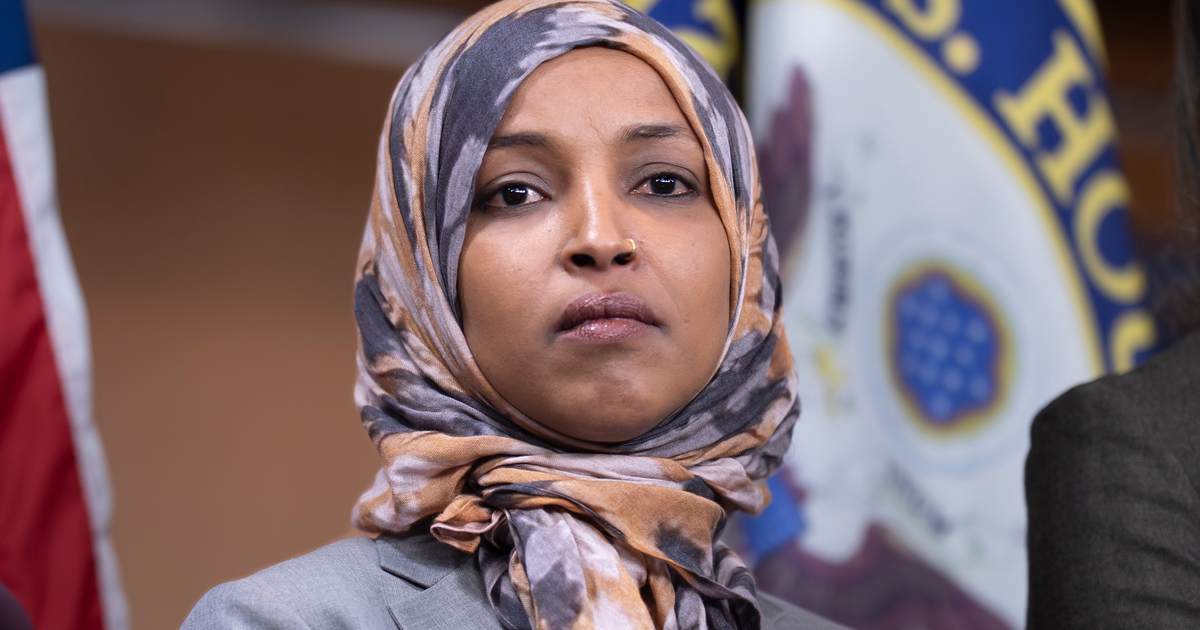
Federal Raid Targets Omar Amid Unresolved Name and Marriage Allegations
Agents searched Rep. Ilhan Omar's DC residence over immigration fraud allegations; she called it bizarre. Reports and commentary questioned her birth name and past marriage details.

Supreme Court Upholds New Hampshire Student ID Voting Ban
The Supreme Court upheld New Hampshire's ban on student IDs as valid voter identification just before midterms, affecting a tight Senate race.
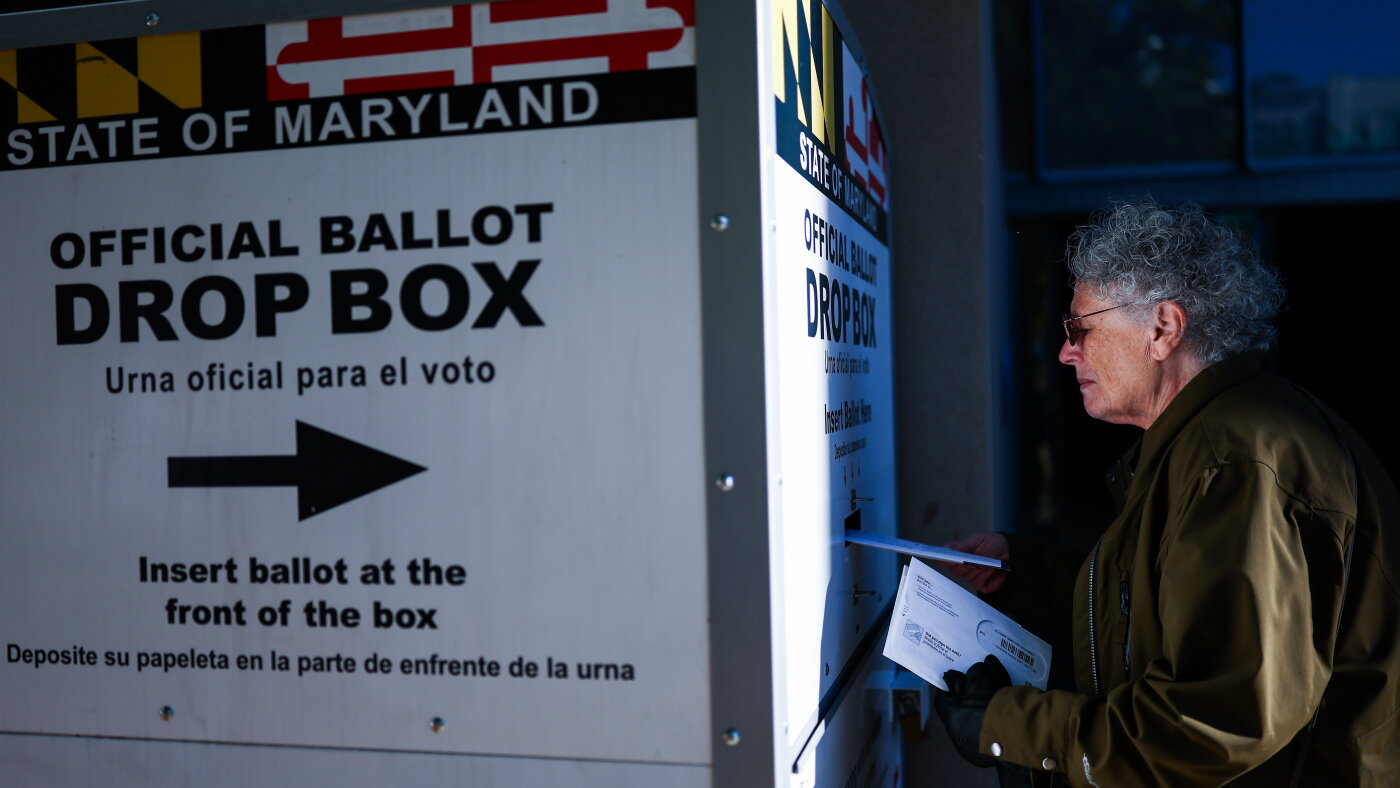
Early Voting Hits 21 Million as Most Trust Midterm Accuracy
Millions have already voted early as parties make final appeals amid $1.4 billion in ad spending; polls show confidence in election accuracy.
The Compass
You just read five takes on one story.
What's your take? Find your political shape in a few minutes.
Take the test