
Fiery California Debate Exposes Volatile Race as Ballots Arrive

Cover image from dailywire.com, which was analyzed for this article
Candidates including Trump-backed Steve Hilton faced accusations of lying and traded brutal blows in a CNN debate as early voting begins. Policy clashes on key issues dominated the high-stakes event. Columnists debate the frontrunners' performances.
PoliticalOS
Wednesday, May 6, 2026 — Politics
The California governor's race is wide open and volatile, with no candidate landing a decisive blow in a debate defined by personal attacks and policy contradictions rather than visionary solutions. Voters face a choice between continued Democratic approaches that have delivered high costs alongside progressive priorities, and Republican critiques that blame one-party rule but must overcome the state's deep blue tilt. The top-two primary adds real risk that Democratic vote-splitting could produce a November matchup between two Republicans for the first time in modern state history.
What outlets missed
Most coverage downplayed the structural risk of California's top-two primary: a splintered Democratic field could advance both Hilton and Bianco to the general election, an outcome unseen in decades given the 2-to-1 Democratic registration edge. Outlets rarely provided concrete scale on gas prices, such as the state's 68-cent-per-gallon combined tax rate, the highest nationally, or fully contextualized global factors like the Iran conflict's disruption of oil flows alongside state regulations. Specific Becerra responses, including calling the campaign finance matter a "gut punch" while pledging accountability, appeared in only isolated local reporting and were omitted from national recaps. Polling was often cited from a single partisan source without noting conflicting surveys showing different leaders or high undecided shares near 23 percent. Finally, precise venue details and the full range of housing solutions proposed received scant attention despite voter priority.
Steve Hilton Blasts California Democrats for Crushing Drivers with Skyrocketing Gas Prices in Chaotic Debate
In a nationally televised spectacle that laid bare the dysfunction gripping California, Trump-endorsed candidate Steve Hilton faced a barrage of Democratic attacks Tuesday night after promising to slash gas prices that have now surged past six dollars a gallon in the state. The two-hour CNN debate from Monterey Park devolved into constant interruptions, personal insults and partisan finger-pointing as seven candidates jostled to replace term-limited Governor Gavin Newsom in a primary election already underway with mail ballots arriving in homes across the state.
Hilton, carrying President Trump's endorsement into the race, zeroed in on the punishing cost of living that has made the Golden State unrecognizable to many working families. With the statewide average for regular gasoline exceeding six dollars according to AAA, Hilton argued that decades of Democratic taxes, regulations and green energy mandates are the primary driver behind California's outlier prices compared to the rest of the country. He pledged to bring prices down to three dollars a gallon by slashing the regulatory burden that makes fuel so expensive here.
That promise drew an immediate and angry response from San Jose Democratic Mayor Matt Mahan, who interrupted to accuse Hilton of lying to voters. Hilton shot back that Trump is president in every other state where the cost of living is dramatically lower than the disaster unfolding under one-party Democratic rule in Sacramento. The exchange captured the core divide on stage. Republicans Hilton and Riverside County Sheriff Chad Bianco repeatedly blamed Sacramento's environmental rules, business-hostile policies and addiction to taxes for driving up energy costs and chasing families out of the state. Democrats countered by trying to tie the pain at the pump to President Trump and international events rather than admit their own role in the crisis.
The debate underscored how badly California has lost its way after years of progressive governance. Once a beacon of opportunity and middle-class prosperity, the state now stands as a warning of what happens when elites prioritize climate virtue-signaling and corporate handouts over the needs of truck drivers, working mothers and small business owners who fill their tanks every week. Gas prices are not some abstract issue. They ripple through every part of daily life from groceries to rent to commuting. Yet too many on the Democratic side spent the evening deflecting and attacking rather than offering real solutions.
Former Congressman Xavier Becerra, who served in the Biden administration, found himself a punching bag from his own party's rivals. They hammered him over his record on healthcare, campaign contributions from energy interests and what they called evasions on single-payer plans. Becerra tried to brush it off by claiming opponents were recycling Trump talking points, but the infighting revealed deep fractures in the Democratic field. Former Representative Katie Porter scolded the entire group for the constant bickering and disrespect. Businessman Tom Steyer and former Los Angeles Mayor Antonio Villaraigosa traded shots with others in the crowded Democratic lane, with Villaraigosa at times appearing to rise above the fray through sheer force of personality.
The ugliness reflected a race with no clear frontrunner just weeks before the June 2 primary. Moderators tried to steer the conversation toward immigration, taxes, healthcare and political temperament, but the discussion kept returning to affordability. Hilton accused climate activists like Steyer of pushing policies that hurt ordinary Californians while protecting their rich friends' investments. Steyer pushed back by calling Hilton an apologist for certain interests. Bianco joined in the critique of Sacramento's failures, painting a picture of a state where one-party control has produced unaffordable housing, failing schools, rising crime in some areas and now energy prices that punish the very people Democrats claim to champion.
What emerged most clearly from the Monterey Park stage was the disconnect between the political class and everyday Californians. While candidates shouted over one another, families across the state are making painful choices about whether to drive to work or cut back on essentials. California's regulatory regime, built on the belief that government knows best, has produced the highest gas prices in the continental United States. Other states with fewer rules and less punitive taxation manage to keep costs far lower even under the same national energy market. Hilton's willingness to state that obvious truth appears to have rattled his opponents, prompting the accusations of dishonesty rather than any serious counterproposal.
The debate comes at a pivotal moment. Newsom's exit creates an opening in a state that remains an economic and cultural powerhouse despite its self-inflicted wounds. Mail voting has begun, and the national audience tuning into CNN saw a preview of the battles that will shape not just California but the broader conversation about progressive governance. For years voters have been told that higher taxes, stricter environmental rules and more government intervention would create a cleaner, fairer society. Instead they got six-dollar gas, businesses leaving for red states and a quality of life that feels increasingly out of reach for everyone but the wealthy.
Hilton and Bianco used the platform to argue that California does not have to accept this decline. By challenging the failed status quo and highlighting how Trump's approach has delivered better results elsewhere, they forced the Democrats into a defensive crouch. The constant interruptions and name-calling suggested a party unsure of how to defend its record after so many years in total control. Whether voters will punish that record or continue down the same path remains to be seen, but Tuesday's debate made one thing unmistakable. The debate over California's future is no longer polite policy disagreement. It has become a raw fight over whether the state will continue sacrificing its residents on the altar of ideology or finally put working people first.
You just read America First's take. Want to read what actually happened?
More in Politics

Trump Defends Ramaswamy Ad Using Estranged Mother in Ohio Race
President Trump defended a GOP nominee's ad featuring a Democratic opponent's estranged mother, calling it powerful, while drawing criticism from some Republicans including Ohio Gov. Mike DeWine. The ad has sparked internal GOP tensions ahead of midterms.
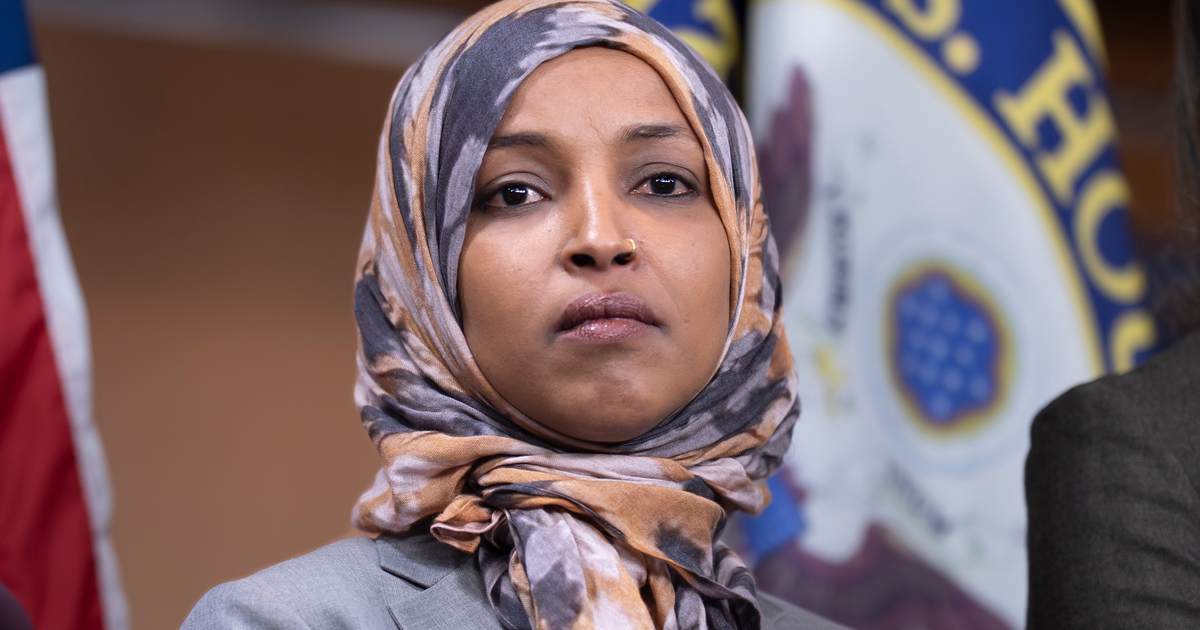
Federal Raid Targets Omar Amid Unresolved Name and Marriage Allegations
Agents searched Rep. Ilhan Omar's DC residence over immigration fraud allegations; she called it bizarre. Reports and commentary questioned her birth name and past marriage details.

Supreme Court Upholds New Hampshire Student ID Voting Ban
The Supreme Court upheld New Hampshire's ban on student IDs as valid voter identification just before midterms, affecting a tight Senate race.
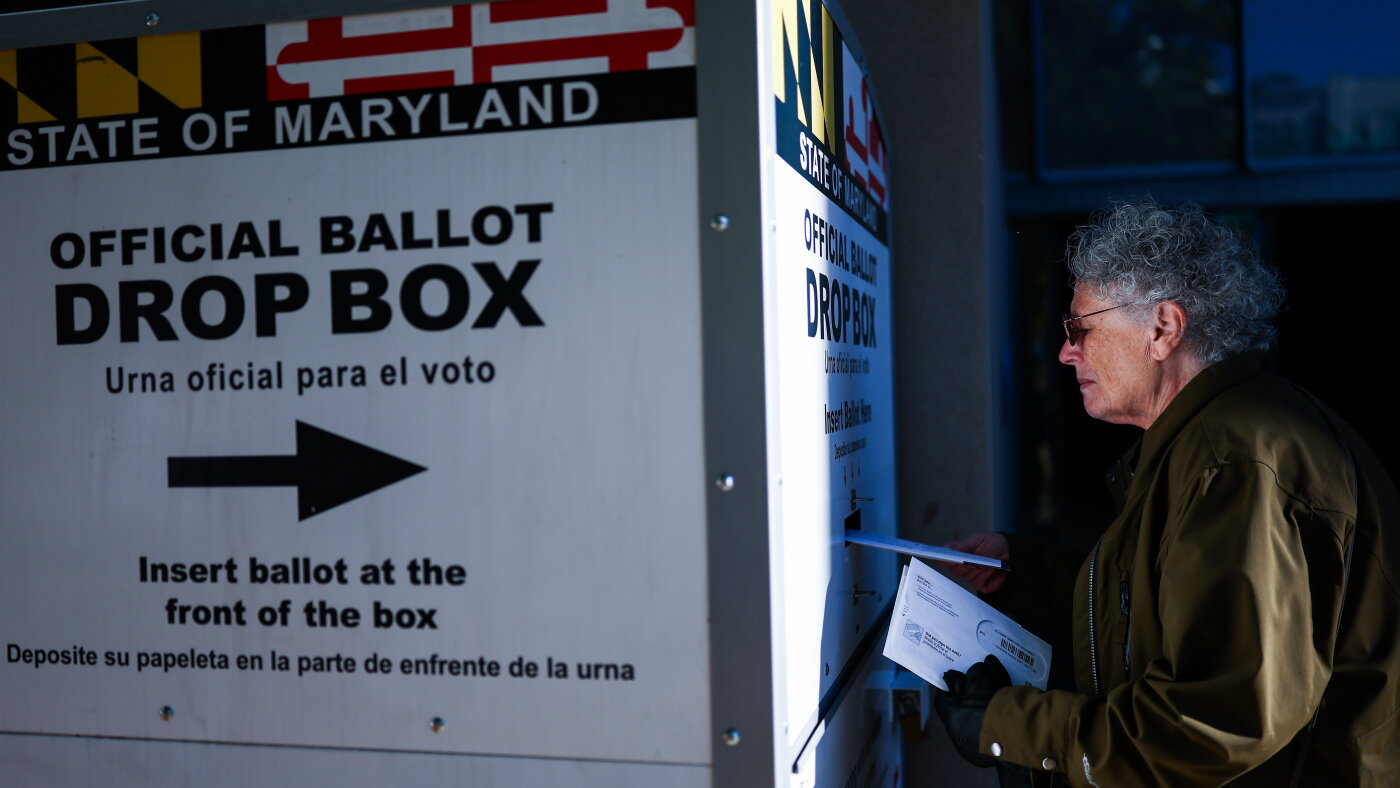
Early Voting Hits 21 Million as Most Trust Midterm Accuracy
Millions have already voted early as parties make final appeals amid $1.4 billion in ad spending; polls show confidence in election accuracy.
The Compass
You just read five takes on one story.
What's your take? Find your political shape in a few minutes.
Take the test