
Hilton, Becerra Lead Undecided California Governor Primary
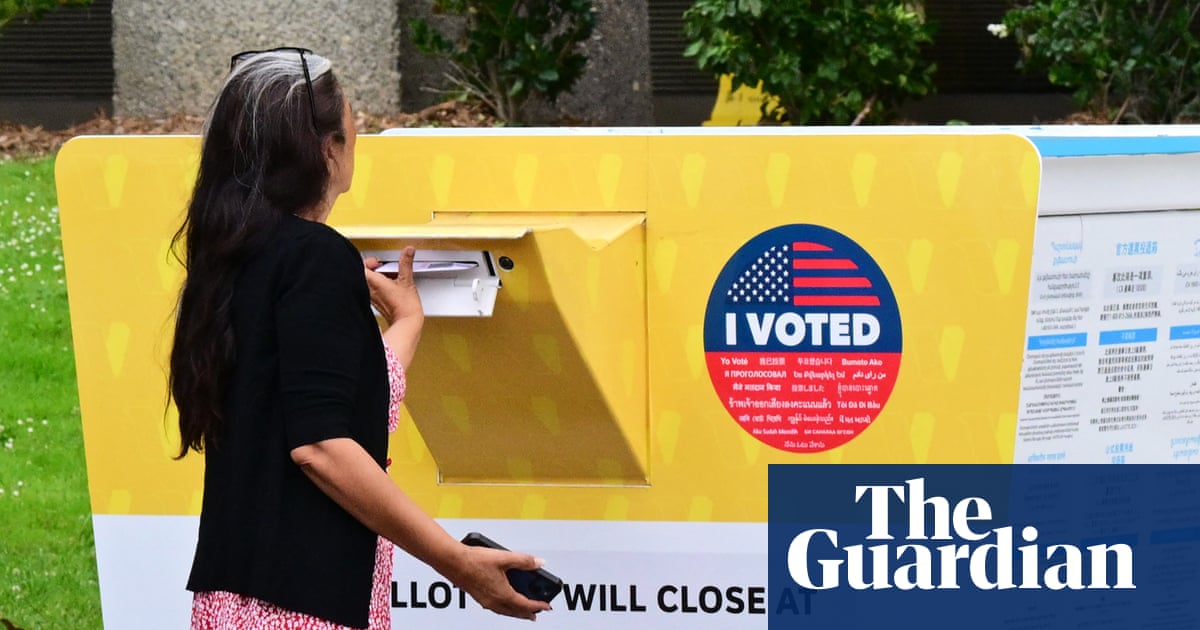
Cover image from theguardian.com, which was analyzed for this article
Hilton and Becerra lead in California's top-two primary for governor with results still too close to call for the November ballot. Multiple states held primaries with Democratic and Republican candidates advancing in key races.
PoliticalOS
Wednesday, June 3, 2026 — Politics
The race remains open because late mail ballots and strategic voting can still reorder the top two. Hilton and Becerra currently lead, yet Steyer’s spending and the state’s structural Democratic advantage keep the November matchup unsettled. Readers should watch whether remaining counts preserve a cross-party or same-party general-election pairing.
What outlets missed
No outlet supplied county-level breakdowns or explicit remaining-ballot estimates that would allow readers to assess how much the current order could still shift. Candidate spending totals beyond Steyer’s self-funding were mentioned only in passing, leaving the scale of outside money unquantified. The impact of the April Swalwell withdrawal on specific voter coalitions received uneven attention, with some accounts noting the shift to Becerra but none tracing endorsement flows or union alignments after the Democratic convention deadlock.
California Governor Primary Sets Up Hilton Against Becerra in November
Vote counting continued Wednesday in California's wide-open primary for governor, with Republican Steve Hilton and Democrat Xavier Becerra holding narrow leads that positioned them to advance under the state's top-two system. With more than half the ballots tallied, Hilton sat at roughly 28 percent and Becerra at 25 percent, while billionaire Democrat Tom Steyer trailed at about 20 percent. The final order could shift as late mail ballots arrive, but the pattern pointed to a general-election matchup between the two front-runners.
The contest replaces term-limited Governor Gavin Newsom and unfolds in a state that has operated under unified Democratic control for more than fifteen years. During that span, housing costs have climbed far above national averages, homelessness has grown visible in major cities, and energy prices have risen steadily. Hilton, a former commentator endorsed by President Trump, centered his campaign on those measurable outcomes. He told supporters that honest talk about prices and regulation would drive the change California needs.
Becerra, who served as state attorney general and later as President Biden's health secretary, presented himself as the experienced hand capable of shielding state policies from federal pressure. His support drew heavily from established Democratic networks, yet the race exposed limits to that advantage. Two other prominent Democrats, San Jose Mayor Matt Mahan and former Los Angeles Mayor Antonio Villaraigosa, conceded early once partial results showed them outside the top tier.
California's primary format places every candidate on a single ballot regardless of party, sending only the two highest vote-getters to November. The arrangement has produced same-party runoffs in past cycles, but this year's field of sixty names and the late surge of undecided mail ballots kept the outcome unsettled. Steyer, who built his bid around higher corporate taxes and climate measures, insisted additional ballots could still lift him into second place.
The state's economic indicators remain the central backdrop. Median home prices exceed $800,000 in many coastal counties, while business formation has slowed relative to lower-tax states. Hilton argued that incremental regulatory relief and cost reductions would address these trends more directly than further spending programs. Becerra countered that protecting existing social services and resisting external policy shifts would preserve California's advantages.
Voters will decide in November whether the state's long experiment with concentrated Democratic governance continues or yields to an alternative approach. The primary results so far suggest that concerns over daily living costs have narrowed the contest to two candidates who offer sharply different diagnoses of how those costs arose.
You just read Conservative's take. Want to read what actually happened?
More in Politics

Trump at 32% Approval as Gas Prices Test GOP Midterm Hopes
NYT/Siena polling showed Trump's approval at historic lows around 32 percent with Democrats leading by double digits in key districts. Early voting has surged in battleground states.

Record Early Voting Hits Battlegrounds, Shifting Partisan Shares
AP analysis found hundreds of thousands more early ballots than in 2022 in states including Texas, Ohio, Kansas, Maine, and North Carolina, shifting partisan dynamics.

Trump Backs Marshall in Kansas Senate Race Tightened by Farm Costs
President Trump rallied in deep-red Kansas for GOP Sen. Roger Marshall in a competitive race, announcing an $8 billion farm fuel relief program amid high diesel prices. Democrats see an opening to end 94 years of GOP dominance in the state.

Trump Pauses Russia Sanctions Amid Ukraine Tensions and Missile Strikes
Trump waived sanctions on Russia and floated trilateral talks with Putin and Xi as part of ending the Ukraine war, while tensions rose with Zelenskyy over Starlink and arms. Bipartisan senators engaged Zelenskyy amid the shifts.
The Compass
You just read five takes on one story.
What's your take? Find your political shape in a few minutes.
Take the test