
Hilton, Becerra Lead Undecided California Governor Primary
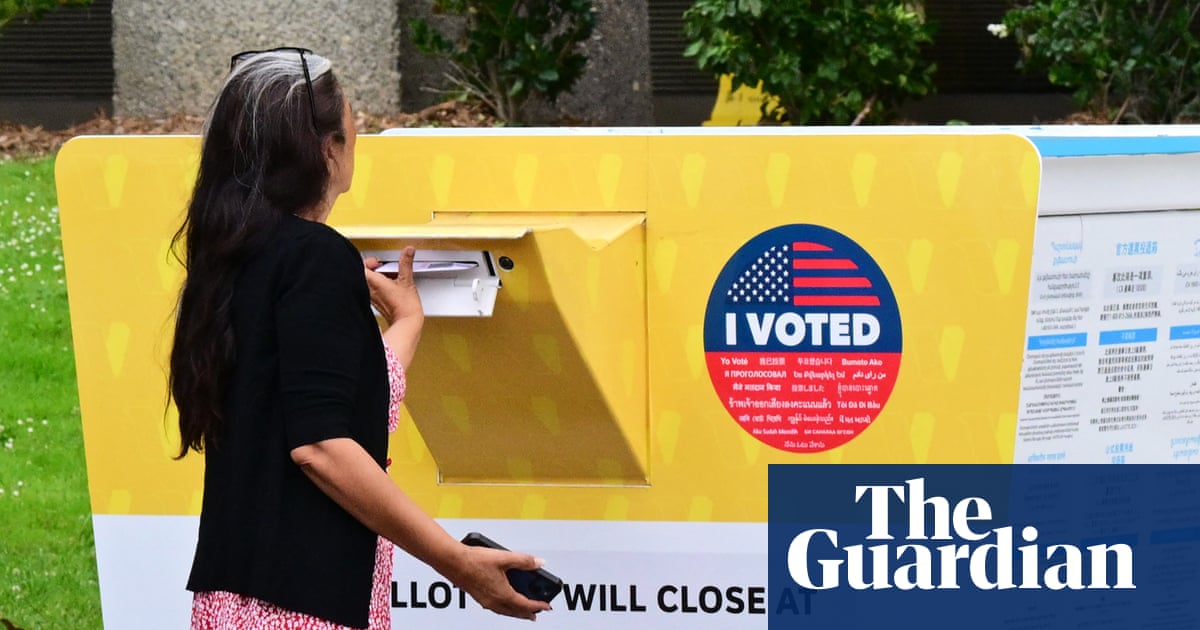
Cover image from theguardian.com, which was analyzed for this article
Hilton and Becerra lead in California's top-two primary for governor with results still too close to call for the November ballot. Multiple states held primaries with Democratic and Republican candidates advancing in key races.
PoliticalOS
Wednesday, June 3, 2026 — Politics
The race remains open because late mail ballots and strategic voting can still reorder the top two. Hilton and Becerra currently lead, yet Steyer’s spending and the state’s structural Democratic advantage keep the November matchup unsettled. Readers should watch whether remaining counts preserve a cross-party or same-party general-election pairing.
What outlets missed
No outlet supplied county-level breakdowns or explicit remaining-ballot estimates that would allow readers to assess how much the current order could still shift. Candidate spending totals beyond Steyer’s self-funding were mentioned only in passing, leaving the scale of outside money unquantified. The impact of the April Swalwell withdrawal on specific voter coalitions received uneven attention, with some accounts noting the shift to Becerra but none tracing endorsement flows or union alignments after the Democratic convention deadlock.
California's Jungle Primary Narrows to a Cross-Party November Contest
California's unusual primary system has produced a likely general election matchup between Democrat Xavier Becerra and Republican Steve Hilton for the state's open governorship, though final results remain uncertain as counting continues. With more than half the ballots tallied, Hilton holds a narrow lead over Becerra, while fellow Democrat Tom Steyer trails in third. The outcome reflects both the mechanics of the top-two primary and the particular dynamics of a race without an incumbent.
Under the system adopted in 2010, all candidates appear on a single ballot and the two highest vote-getters advance regardless of party. This structure was intended to encourage broader appeal and reduce polarization, yet it has often produced same-party runoffs in heavily Democratic California. The current three-way split leaves open the possibility of a traditional partisan contest in November, which would mark the first time since 2010 that both major parties have reached the general election for governor. The winner will replace term-limited Governor Gavin Newsom and assume leadership of a state whose budget and regulatory decisions carry national weight.
Becerra, who served as state attorney general and later as President Biden's health secretary, positioned his campaign around institutional experience and resistance to federal policy shifts under President Trump. His late surge appears tied to Democratic voters consolidating behind a familiar figure after earlier polling volatility. Hilton, a former Fox News host endorsed by Trump, built his effort around voter frustration with housing costs, homelessness and energy prices, arguing that sustained Democratic governance has left basic affordability unresolved. Steyer, the billionaire climate activist, emphasized corporate taxation and environmental policy but has so far been unable to consolidate enough support to overtake the leaders.
The race was shaped by unusually high numbers of late-deciding voters and the state's heavy reliance on mail ballots, which has historically extended the counting process by days or weeks. Several other Democratic candidates, including San Jose Mayor Matt Mahan and former Los Angeles Mayor Antonio Villaraigosa, conceded once early returns showed them outside the top tier. With 60 names on the ballot, the field was unusually diffuse, yet the results have so far funneled support toward the three most visible contenders.
The November election will test whether Hilton can translate dissatisfaction with state governance into a competitive showing in a state that has not elected a Republican governor since 2006. For Becerra, the contest offers a chance to become the first Latino governor since the 19th century while defending an agenda that aligns closely with the outgoing Newsom administration. Steyer's remaining path depends on whether late-counted ballots from urban counties can close the gap with the leaders. Regardless of the final pairing, the primary has already demonstrated how California's electoral rules continue to reward candidates who can assemble broad, if shallow, coalitions rather than narrow ideological ones.
You just read Liberal's take. Want to read what actually happened?
More in Politics

Trump Defends Ramaswamy Ad Using Estranged Mother in Ohio Race
President Trump defended a GOP nominee's ad featuring a Democratic opponent's estranged mother, calling it powerful, while drawing criticism from some Republicans including Ohio Gov. Mike DeWine. The ad has sparked internal GOP tensions ahead of midterms.
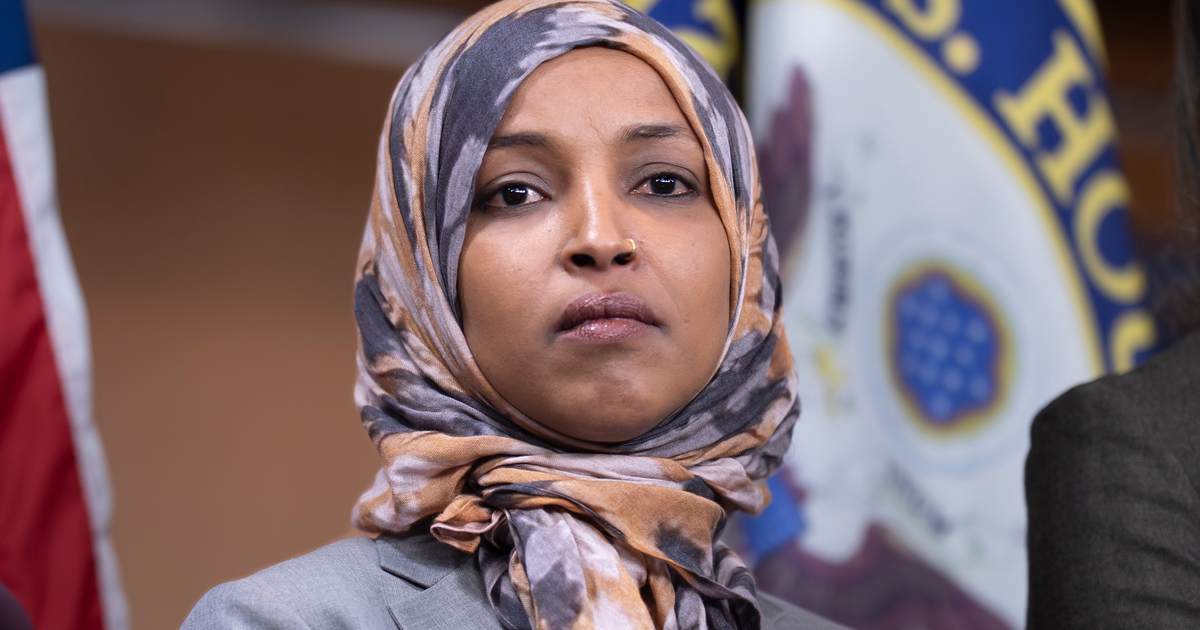
Federal Raid Targets Omar Amid Unresolved Name and Marriage Allegations
Agents searched Rep. Ilhan Omar's DC residence over immigration fraud allegations; she called it bizarre. Reports and commentary questioned her birth name and past marriage details.

Supreme Court Upholds New Hampshire Student ID Voting Ban
The Supreme Court upheld New Hampshire's ban on student IDs as valid voter identification just before midterms, affecting a tight Senate race.
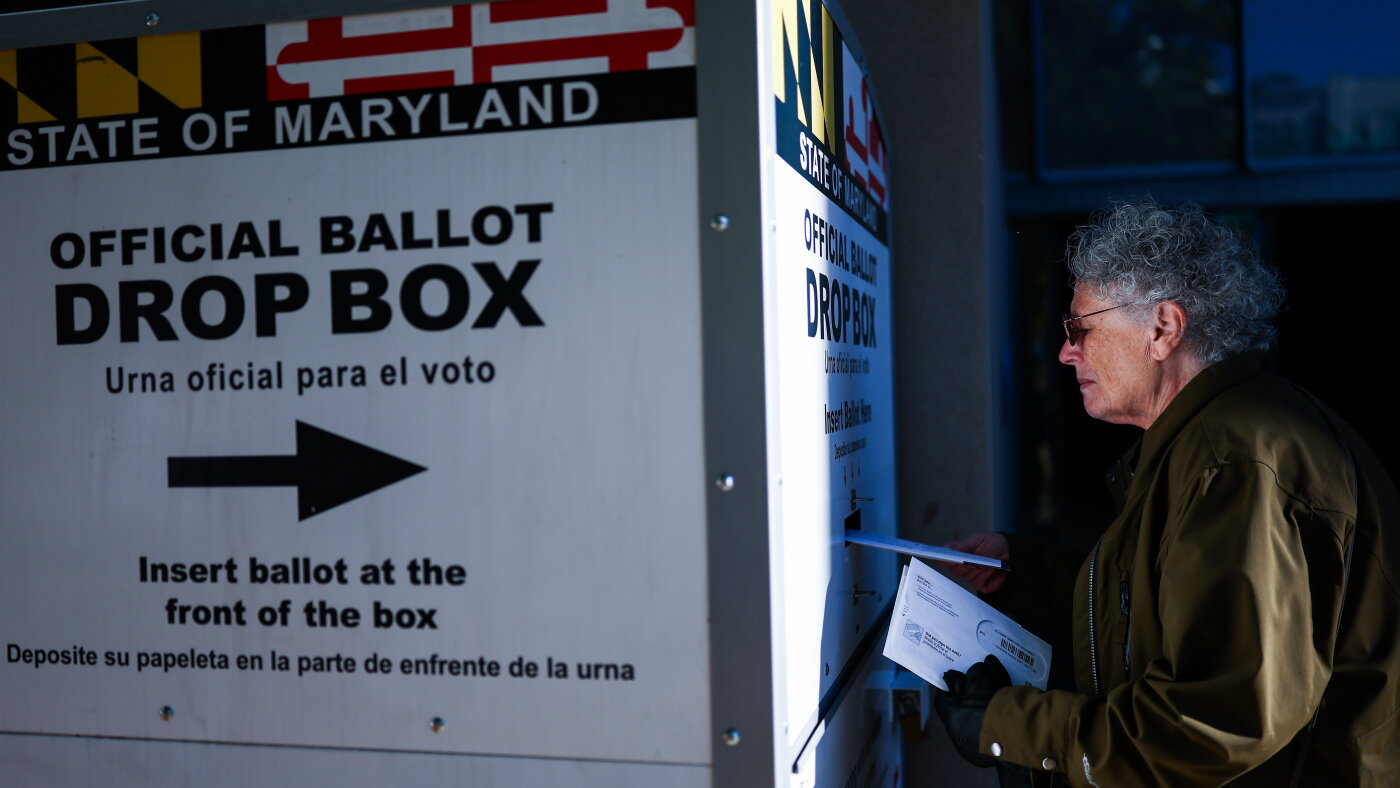
Early Voting Hits 21 Million as Most Trust Midterm Accuracy
Millions have already voted early as parties make final appeals amid $1.4 billion in ad spending; polls show confidence in election accuracy.
The Compass
You just read five takes on one story.
What's your take? Find your political shape in a few minutes.
Take the test