
California Primary Tests Democratic Field Amid Voter Discontent

Cover image from theguardian.com, which was analyzed for this article
Voters in California and several other states head to the polls in key primaries, including a high-stakes race to succeed Gavin Newsom featuring candidates like Karen Bass and Spencer Pratt. The contests test Democratic strategies and preview November midterms amid voter anger over crime and governance.
PoliticalOS
Tuesday, June 2, 2026 — Politics
California’s jungle primary system and voter concerns over crime, homelessness, and wildfire recovery create an unusually open contest for governor, with late surges by Xavier Becerra and Steve Hilton determining which two candidates advance. The outcome will test whether Democratic voters prioritize establishment experience or outsider appeals ahead of the 2026 midterms.
What outlets missed
Several outlets omitted official Los Angeles Police Department data showing declines in homicide and aggravated assault through early 2026, leaving readers without a benchmark for claims about rising crime. No outlet supplied turnout projections or mail-ballot rejection rates for the June 2 contests. Coverage also lacked detail on the five new Democratic-leaning congressional districts created after California voters approved Proposition 50 in response to Texas redistricting.
LA Voters Flock to Spencer Pratt as Crime and Fires Expose City Failures
SANTA MONICA, CA — Business leaders in Los Angeles are pointing to rising crime, the aftermath of recent wildfires, and a hostile climate for companies as the forces driving support for Spencer Pratt in the mayoral race. John Putnam, president of Putnam Brands and a former Santa Monica city council candidate, told Fox News Digital that residents are fed up with the politicians they blame for the disorder.
"People are angry," Putnam said. "I think a lot of people are concerned about what's happening, they really don't know how to fix this, and I think the crime, the homelessness, the addiction, all the above behaviors of what's happened in our city as politicians that are causing this, I think a lot people are seeing that."
Putnam noted that Pratt's straightforward approach to these problems is cutting through. Even voters who may not back him are paying attention, he said, because the issues feel immediate and unaddressed by the current leadership. Santa Monica itself does not vote in the Los Angeles mayoral contest, but Putnam argued the winner's policies will affect the broader county through a trickle-down effect on taxes, policing, and development rules.
Pratt, the former reality television personality now backed by President Trump, has surged in recent polling by accusing city officials of criminal negligence in their handling of the wildfires and by highlighting daily failures on the streets. His campaign has leaned on short videos that show tent encampments, open drug use, and businesses fleeing the area. Those messages appear to be landing with voters who have watched property values drop and safety erode under years of Democratic control.
The broader California primary landscape on Tuesday reflects similar discontent. The governor's race has featured scandals that knocked out several establishment figures, including accusations that ended Eric Swalwell's bid and left Democrats scrambling for a replacement. A jungle primary system means the top two vote-getters advance regardless of party, raising the possibility that a Republican could reach the general election if the Democratic field remains fractured.
In Los Angeles, no Republican has won the mayor's office in three decades. Pratt's rise challenges that pattern by focusing on results rather than ideology. Putnam said the candidate's basic delivery of core issues—safer streets, accountable spending, and an end to policies that shelter addicts and criminals—resonates because residents see the consequences every day. Wildfire damage compounded those frustrations when response times lagged and rebuilding permits stalled.
Local business owners report losing customers to theft and feeling squeezed by regulations that favor large developers over small enterprises. Putnam described the city as a byproduct of state-level decisions that prioritize certain social programs over enforcement and basic order. He said voters are now looking for someone willing to name those trade-offs directly.
Tuesday's voting will test whether Pratt's momentum holds through the primary and forces a runoff against incumbent Karen Bass. Putnam expressed hope that the conversation Pratt has started will continue even if he does not win outright. For many in the region, the alternative is more of the same visible decline in neighborhoods that once drew families and investment.
You just read America First's take. Want to read what actually happened?
More in Politics
Trump at 32% Approval as Gas Prices Test GOP Midterm Hopes
NYT/Siena polling showed Trump's approval at historic lows around 32 percent with Democrats leading by double digits in key districts. Early voting has surged in battleground states.

Record Early Voting Hits Battlegrounds, Shifting Partisan Shares
AP analysis found hundreds of thousands more early ballots than in 2022 in states including Texas, Ohio, Kansas, Maine, and North Carolina, shifting partisan dynamics.
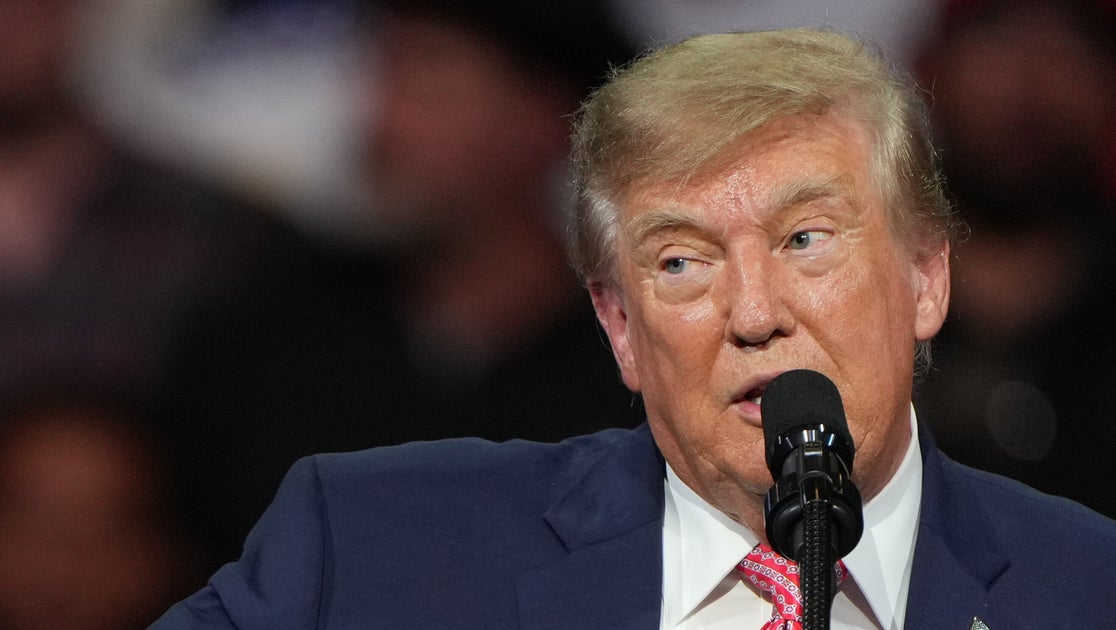
Trump Backs Marshall in Kansas Senate Race Tightened by Farm Costs
President Trump rallied in deep-red Kansas for GOP Sen. Roger Marshall in a competitive race, announcing an $8 billion farm fuel relief program amid high diesel prices. Democrats see an opening to end 94 years of GOP dominance in the state.

Trump Pauses Russia Sanctions Amid Ukraine Tensions and Missile Strikes
Trump waived sanctions on Russia and floated trilateral talks with Putin and Xi as part of ending the Ukraine war, while tensions rose with Zelenskyy over Starlink and arms. Bipartisan senators engaged Zelenskyy amid the shifts.
The Compass
You just read five takes on one story.
What's your take? Find your political shape in a few minutes.
Take the test