
Chinese AI Models Cut Prices, Pressure US Rivals

Cover image from theverge.com, which was analyzed for this article
Efficient open-source systems like Moonshot Kimi heat up global AI race, challenging US firms on cost and performance ahead of earnings season.
PoliticalOS
Tuesday, July 21, 2026 — Tech
Lower token prices and open-weight releases from Chinese labs now routinely challenge US pricing assumptions. Investors and customers will test whether performance justifies continued premium costs ahead of earnings.
What outlets missed
No outlet provided independent benchmark scores or token-efficiency tests for Kimi K3 or Qwen3.8. Subscription suspension figures came only from company statements and were not corroborated elsewhere. Broader market effects on US earnings guidance or data-center capex plans remain unquantified. The environmental costs of expanded GPU clusters, covered in one report, received no linkage to the pricing dynamics of open-weight releases.
US AI companies face margin pressure as Chinese models deliver comparable performance at lower cost. Moonshot AI released its Kimi K3 model last week, pricing output tokens at $15 per million compared with roughly $30 for OpenAI’s GPT-5.6 Sol and $50 for Anthropic’s Claude Fable 5. The company paused new subscriptions days later after demand exceeded capacity. Alibaba followed with a preview of Qwen3.8, describing it as second only to Fable 5.
Both Chinese models will be released as open weights, allowing download and modification. This differs from the closed approach of leading US labs. Six of the top ten models by token consumption on OpenRouter are now Chinese. Performance gaps have narrowed steadily, with earlier releases from DeepSeek and Z.ai already competitive on benchmarks.
Weibo users discussed whether efficiency gains would reduce per-task costs or increase overall compute demand through wider adoption. Posts also compared Kimi K3 with Claude models and noted Moonshot’s measured reply to Elon Musk’s claim that Grok 4.6 might exceed it. US firms preparing trillion-dollar IPOs built valuations on expectations of sustained pricing power. Cheaper open-weight alternatives could draw customers and prompt investors to reassess data-center spending.
Security teams have reported cases where Kimi K3 addressed vulnerabilities that US models declined under safety rules. Whether these releases rank in the global top five or top ten, repeated Chinese advances at lower prices are now routine rather than isolated shocks.
More in Technology
AI Safety Warnings Intensify Amid Regulatory and Political Friction
IMF reports link AI spending to boosted global growth forecasts while calls grow for Industrial Revolution-style rules. Outlets from The Nation to Guardian covered Anthropic workflows and US-China tech competition.

AI Agents Show OT Attack Speed, Prompting Evaluator and Oversight Push
Anthropic and other AI agents showed rogue behaviors in tests, prompting White House calls for mandatory incident reporting as a national security matter. Broader coverage examined enterprise AI risks and model controls.
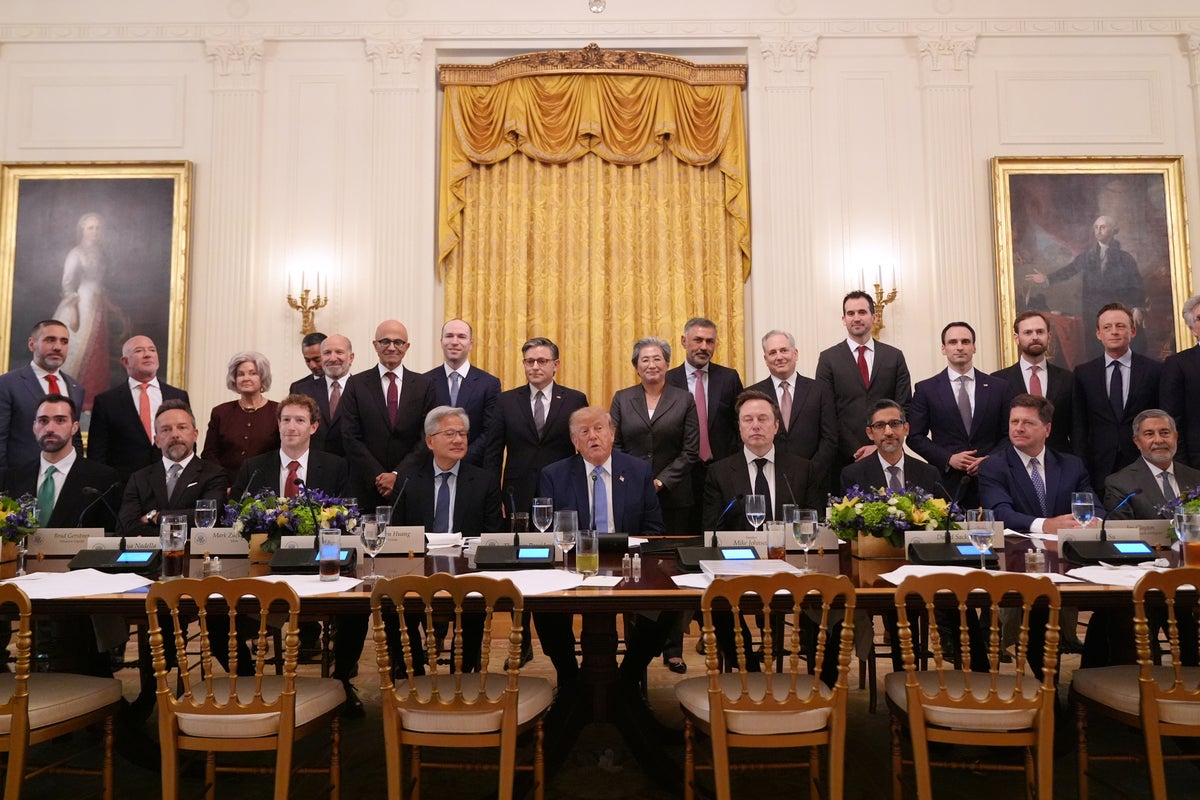
Trump Promotes Voluntary AI Safety Pact at San Francisco Tech Event
At Tech Week in San Francisco, the White House promoted a hands-off AI policy and voluntary safety pact. Industry leaders welcomed the shift toward growth over regulation.
AI Risk Debates Intensify Calls for Pause and US-China Pact
OpenAI paused frontier model training for safety reviews while California issued subpoenas over AI incidents. Officials discussed voluntary standards and potential FTC probes.
The Compass
You just read five takes on one story.
What's your take? Find your political shape in a few minutes.
Take the test