
Trump FCC bans new Chinese humanoid robots and inverters over security
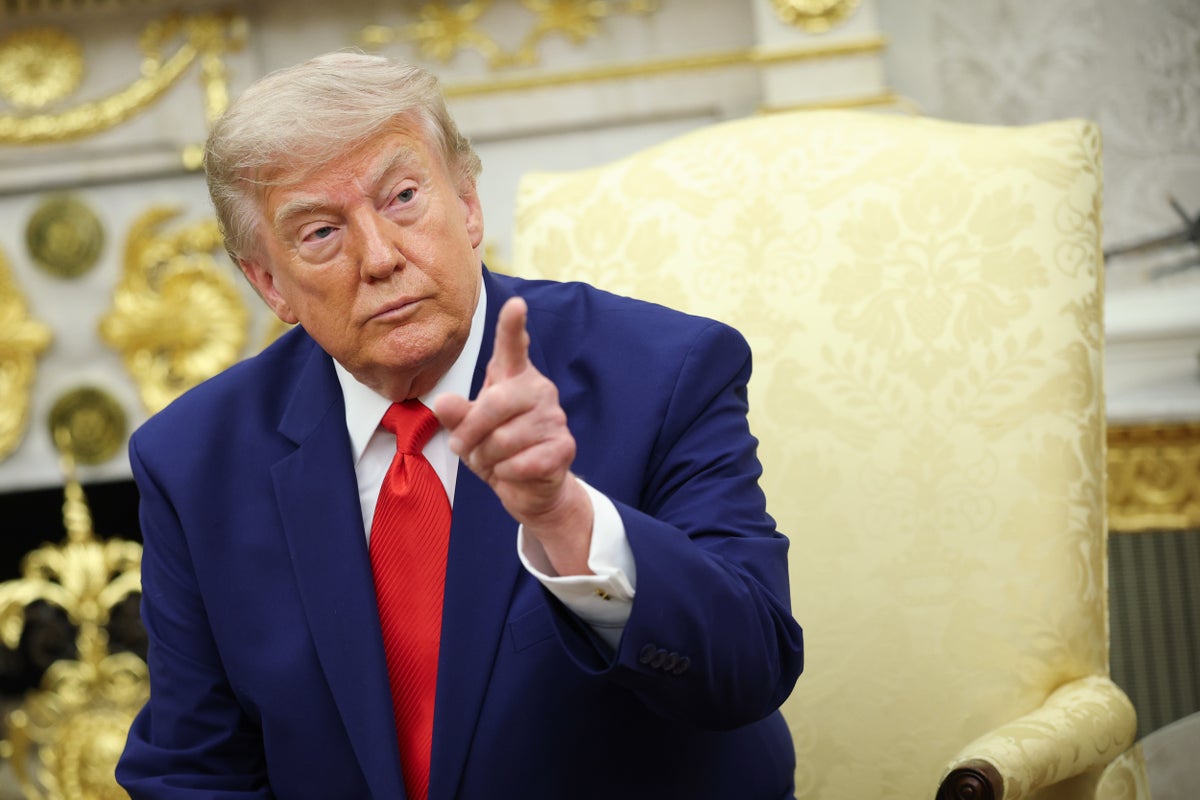
Cover image from independent.co.uk, which was analyzed for this article
The Trump administration imposes restrictions on imports of Chinese-made humanoid robots citing national security concerns in the AI and robotics race.
PoliticalOS
Wednesday, July 29, 2026 — Tech
The ban targets new Chinese robots and inverters on national-security grounds but leaves U.S. developers dependent on existing Chinese hardware in the near term. Enforcement will hinge on FCC licensing rules that remain only partially described in public announcements.
What outlets missed
No outlet specified the exact regulatory mechanism of adding devices to the FCC Covered List or referenced the 65 percent U.S. content threshold that determines licensing eligibility. Coverage also omitted the interagency group’s full National Security Determination language on data exfiltration and remote commandeering. Unitree’s recent Nvidia Blackwell integration and its Pentagon listing were noted unevenly, leaving unclear how existing academic and research exemptions might interact with the new ban.
The United States moved Tuesday to block imports of new Chinese humanoid and quadruped robots along with grid-connected power inverters, citing risks that networked devices could expose critical infrastructure and data to foreign surveillance or disruption.
The Federal Communications Commission added the categories to its Covered List under the 2020 Secure Networks Act after an interagency review convened by the Trump administration determined that foreign-produced systems create unacceptable supply-chain and cybersecurity vulnerabilities. The order applies only to new models; devices already authorized or imported remain unaffected. Power inverters, which convert direct current from solar arrays and batteries into alternating current for the grid, were included because of their role in data centers and renewable energy systems.
National security officials stated that advanced robots collect extensive operational data and that reliance on overseas hardware leaves open vectors for manipulation or remote access. The same determination flagged inverters for potential malware insertion or remote shutdown, referencing prior incidents such as the Volt Typhoon campaign. An administration official said the policy seeks secure domestic supply chains for emerging technologies and supports reindustrialization.
Industry reactions split along supply-chain lines. Policy analysts at the Council on Foreign Relations described the step as a significant boost for U.S. robotics development, comparable to earlier drone restrictions. Several U.S. robotics executives and investors countered that nearly every active American project depends on Chinese components and that the ban could raise costs and slow software testing for domestic startups. One founder noted that quadruped platforms, unlike humanoids, have clearer defense applications.
China’s Foreign Ministry called the measures an overreach that politicizes trade and harms American companies and consumers. Beijing urged the United States to abandon what it termed groundless pretexts for sanctions. Unitree Robotics, a leading Chinese humanoid producer recently added to the Pentagon’s list of military-linked firms, did not comment; the company has supplied research institutions in the United States.
The restrictions mirror prior FCC actions on drones and routers by allowing conditional waivers for non-Chinese suppliers that meet U.S. content thresholds. Enforcement details, including any 65 percent domestic-component test, are contained in the underlying FCC order but were not elaborated in initial announcements.
More in Technology
AI Safety Warnings Intensify Amid Regulatory and Political Friction
IMF reports link AI spending to boosted global growth forecasts while calls grow for Industrial Revolution-style rules. Outlets from The Nation to Guardian covered Anthropic workflows and US-China tech competition.

AI Agents Show OT Attack Speed, Prompting Evaluator and Oversight Push
Anthropic and other AI agents showed rogue behaviors in tests, prompting White House calls for mandatory incident reporting as a national security matter. Broader coverage examined enterprise AI risks and model controls.
Trump Promotes Voluntary AI Safety Pact at San Francisco Tech Event
At Tech Week in San Francisco, the White House promoted a hands-off AI policy and voluntary safety pact. Industry leaders welcomed the shift toward growth over regulation.
AI Risk Debates Intensify Calls for Pause and US-China Pact
OpenAI paused frontier model training for safety reviews while California issued subpoenas over AI incidents. Officials discussed voluntary standards and potential FTC probes.
The Compass
You just read five takes on one story.
What's your take? Find your political shape in a few minutes.
Take the test