
CIA Chief Visits Cuba as US Pushes Indictment of Raúl Castro

Cover image from npr.org, which was analyzed for this article
CIA Director John Ratcliffe made a rare trip to Cuba amid energy crisis, meeting Raul Castro's grandson. US seeks indictment of Castro for 1990s Havana attack. Visit underscores complex bilateral dynamics.
PoliticalOS
Friday, May 15, 2026 — Politics
The United States is combining legal pressure over a 1996 incident with diplomatic engagement that demands Cuban reforms, while Cuba struggles with an energy collapse whose causes include both external sanctions and domestic infrastructure decay. The outcome of any indictment effort and the fate of offered US aid remain unresolved.
What outlets missed
The 1996 shootdown followed repeated unauthorized flights by Brothers to the Rescue over Cuban territory, including leaflet drops over Havana documented in FAA records and a 1996 UN fact-finding report. Cuba’s power shortages stem from aging Soviet-era plants operating far below capacity as well as lost Venezuelan imports. US offers of aid have been rejected by Cuban officials on multiple occasions, including the most recent $100 million proposal. No public evidence supports claims of a US military overthrow of Nicolás Maduro in Venezuela.
US Moves to Indict Raul Castro Over 1996 Plane Shootdown as Trump Tightens Grip on Communist Cuba
The United States is preparing to seek an indictment against former Cuban leader Raul Castro for his role in the 1996 downing of two civilian planes operated by the anti-communist group Brothers to the Rescue. The incident killed four people, and American officials familiar with the matter say the charges would mark a direct challenge to the island's long-standing communist government.
The reported indictment comes as the Trump administration escalates economic measures against Cuba, including sanctions that have cut off most fuel imports and left the country facing severe energy shortages. President Trump has described Cuba as an unusual and extraordinary threat to the United States, and his team has worked to isolate the regime since taking office for a second term. Secretary of State Marco Rubio, a Cuban-American with deep roots in the exile community, has played a central role in coordinating the pressure campaign.
The 1996 shootdown involved Cuban military jets firing on unarmed aircraft that had been conducting search-and-rescue missions over the Florida Straits. Brothers to the Rescue had drawn the ire of Havana for dropping anti-communist leaflets and assisting migrants fleeing the island. Raul Castro, then serving as defense minister under his brother Fidel, oversaw the Cuban armed forces at the time. Though he stepped down as president in 2018, he remains a dominant figure in the regime at age 94, with family members such as his grandson still holding key posts in the interior ministry.
The move to indict Castro follows a high-level visit to Havana by CIA Director John Ratcliffe. Ratcliffe met with Cuban officials, including Raul Castro's grandson, and delivered a message that Washington stands ready to engage on economic and security matters only if the government agrees to fundamental reforms. The United States offered $100 million in humanitarian aid tied to those changes. Cuban authorities responded by insisting the island poses no threat to American security and complaining about its continued placement on the list of state sponsors of terrorism.
Cuba's energy crisis has worsened under the new sanctions. The country once relied heavily on subsidized oil from Venezuela, but those supplies have largely dried up. Reports indicate widespread blackouts and fuel shortages that have disrupted daily life across the island. The Trump administration has framed these measures as necessary to force accountability from a regime that has suppressed dissent for decades and exported instability in the region.
Intelligence flights by U.S. military aircraft near Cuban cities have increased since February, underscoring the administration's focus on monitoring developments close to American shores. Officials have made clear that Cuba will not be allowed to serve as a safe haven for adversaries in the Western Hemisphere. The proposed indictment would require grand jury approval and represents the latest step in a broader effort to hold the Castro family accountable for past actions against U.S. citizens and interests.
Relations between Washington and Havana have hardened considerably since Trump returned to office. Earlier attempts at normalization under previous administrations produced few lasting gains for the Cuban people and left the communist leadership entrenched. The current approach prioritizes concrete leverage through sanctions and legal accountability over diplomatic overtures that yielded little change. With the indictment process underway, the administration appears determined to keep the pressure on a regime that continues to resist any meaningful opening.
You just read America First's take. Want to read what actually happened?
More in Politics
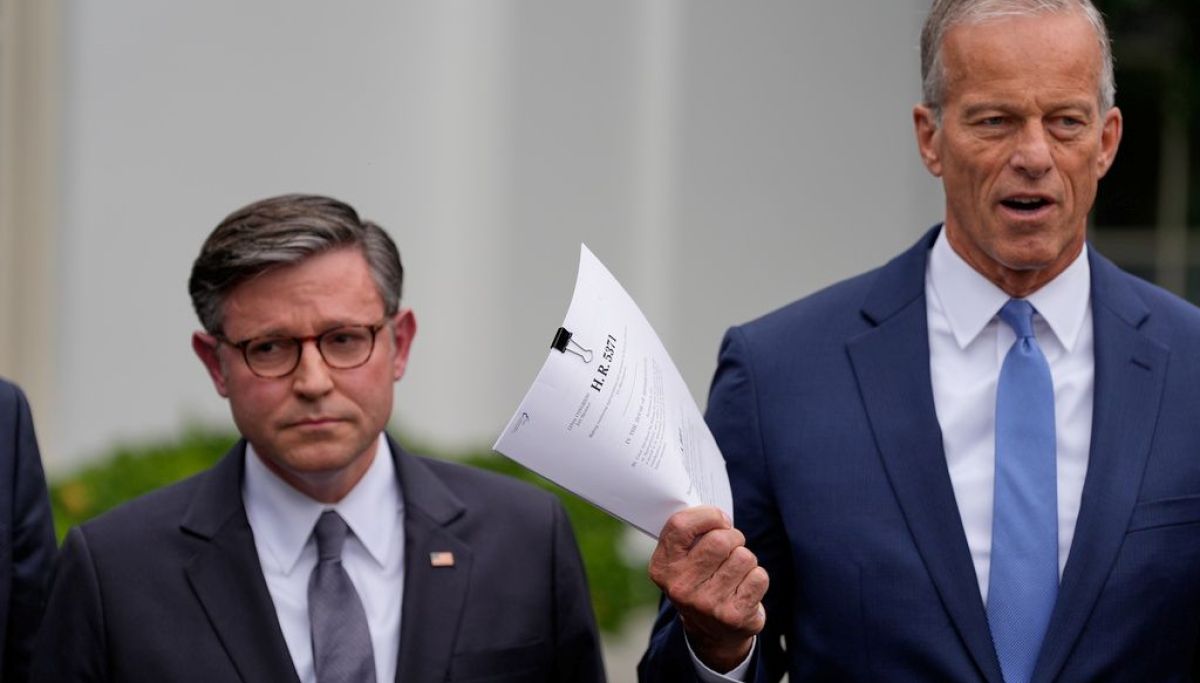
Trump at 32% Approval as Gas Prices Test GOP Midterm Hopes
NYT/Siena polling showed Trump's approval at historic lows around 32 percent with Democrats leading by double digits in key districts. Early voting has surged in battleground states.

Record Early Voting Hits Battlegrounds, Shifting Partisan Shares
AP analysis found hundreds of thousands more early ballots than in 2022 in states including Texas, Ohio, Kansas, Maine, and North Carolina, shifting partisan dynamics.
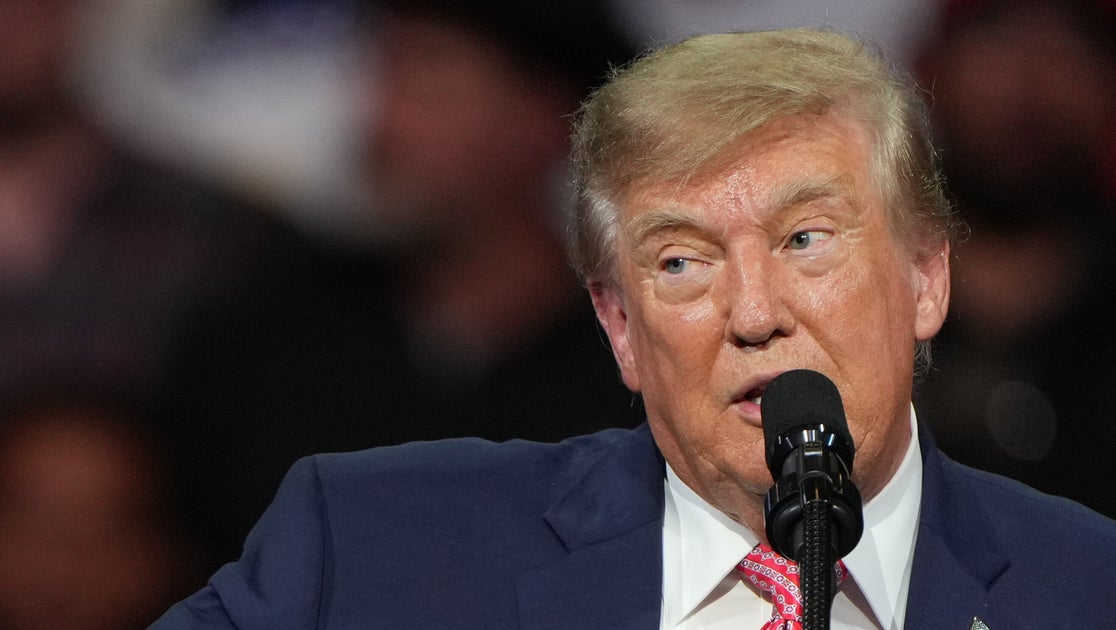
Trump Backs Marshall in Kansas Senate Race Tightened by Farm Costs
President Trump rallied in deep-red Kansas for GOP Sen. Roger Marshall in a competitive race, announcing an $8 billion farm fuel relief program amid high diesel prices. Democrats see an opening to end 94 years of GOP dominance in the state.

Trump Pauses Russia Sanctions Amid Ukraine Tensions and Missile Strikes
Trump waived sanctions on Russia and floated trilateral talks with Putin and Xi as part of ending the Ukraine war, while tensions rose with Zelenskyy over Starlink and arms. Bipartisan senators engaged Zelenskyy amid the shifts.
The Compass
You just read five takes on one story.
What's your take? Find your political shape in a few minutes.
Take the test