
Colbert Ends 11-Year Late Show Run Amid Cancellation Debate
Cover image from businessinsider.com, which was analyzed for this article
After 11 years, Stephen Colbert signed off from The Late Show in an emotional farewell that drew widespread tributes and political commentary. Coverage highlighted the show's cultural impact during the Trump era.
PoliticalOS
Friday, May 22, 2026 — Politics
The Late Show ended after 11 seasons because CBS cited financial pressures in a shrinking late-night market. Trump criticized the host repeatedly, yet the network maintained the decision was unrelated to content. Viewers received an emotional, celebrity-filled farewell that left the precise weight of political versus business factors unresolved.
What outlets missed
Most coverage omitted Nielsen data showing Colbert maintained the highest average audience among late-night hosts at roughly 2.7 million viewers in recent seasons despite industry-wide declines. Few outlets supplied the exact July 2025 cancellation date or CBS statements that explicitly ruled out content or performance as factors. Little attention went to the broader contraction of the late-night format across networks or to the fact that rivals Jimmy Kimmel Live and The Tonight Show aired reruns on the final night. The absence of these details left readers without a clear baseline for judging whether the decision fit a larger business pattern.
Stephen Colbert Concludes Eleven-Year Run on The Late Show
Stephen Colbert wrapped up his tenure as host of CBS's The Late Show on Thursday night with a star-studded episode that drew a large live audience and featured Paul McCartney performing "Hello Goodbye." The broadcast marked the end of a program that had continued the format established by David Letterman in 1993, with Colbert taking over in 2015 and producing more than 1,800 episodes.
Colbert opened the final show by reflecting on the production as a "joy machine," crediting his band and staff for sustaining the effort over the years. He described the program as one built around both comedy and a sense of connection with viewers. Celebrity appearances included Bryan Cranston, Paul Rudd, and Ryan Reynolds, who participated in segments that played on the occasion of the finale. McCartney joined Colbert onstage after offering a framed photograph of the Beatles from their 1964 appearance at the Ed Sullivan Theater, where the show was taped.
CBS announced the cancellation last July, describing the decision as purely financial amid broader challenges facing late-night television. The network stated that the move was unrelated to the show's content or performance. Colbert had previously criticized the network's parent company, Paramount, for a $16 million settlement with President Trump over edits in a 60 Minutes interview with Kamala Harris during the 2024 campaign. He called the payment a "big fat bribe."
President Trump responded to the conclusion of the series with pointed remarks on social media. He described Colbert as lacking talent and ratings, stating that any person off the street could perform the role better. Trump had earlier distanced himself from the cancellation, insisting it stemmed from the host's shortcomings rather than external pressure.
The episode's tone mixed light moments with references to the program's run. McCartney discussed his early visits to the United States and his current projects. Other guests appeared in bits that poked at the idea of being the final visitor. Viewership for the broadcast was reported as substantial, with crowds gathered outside the theater.
Late-night programs have evolved over decades from vehicles for broad comedy and celebrity interviews into platforms that frequently incorporate partisan commentary. Figures such as Jon Stewart and Colbert gained prominence during periods of divided politics by directing humor at conservative administrations. This approach sustained dedicated audiences but coincided with narrower overall reach as viewers increasingly selected content aligned with their preferences. Market pressures, including advertising shifts and competition from streaming options, have led networks to reassess such formats on cost grounds.
Colbert's emphasis on decency and joy in his sign-off stood in contrast to the sharper political edges that defined much of his later material. The final broadcast drew attention from both supporters and critics, underscoring how entertainment outlets often intersect with national debates. CBS maintained its position that business considerations alone drove the programming change.
You just read Conservative's take. Want to read what actually happened?
More in Politics
Trump at 32% Approval as Gas Prices Test GOP Midterm Hopes
NYT/Siena polling showed Trump's approval at historic lows around 32 percent with Democrats leading by double digits in key districts. Early voting has surged in battleground states.

Record Early Voting Hits Battlegrounds, Shifting Partisan Shares
AP analysis found hundreds of thousands more early ballots than in 2022 in states including Texas, Ohio, Kansas, Maine, and North Carolina, shifting partisan dynamics.
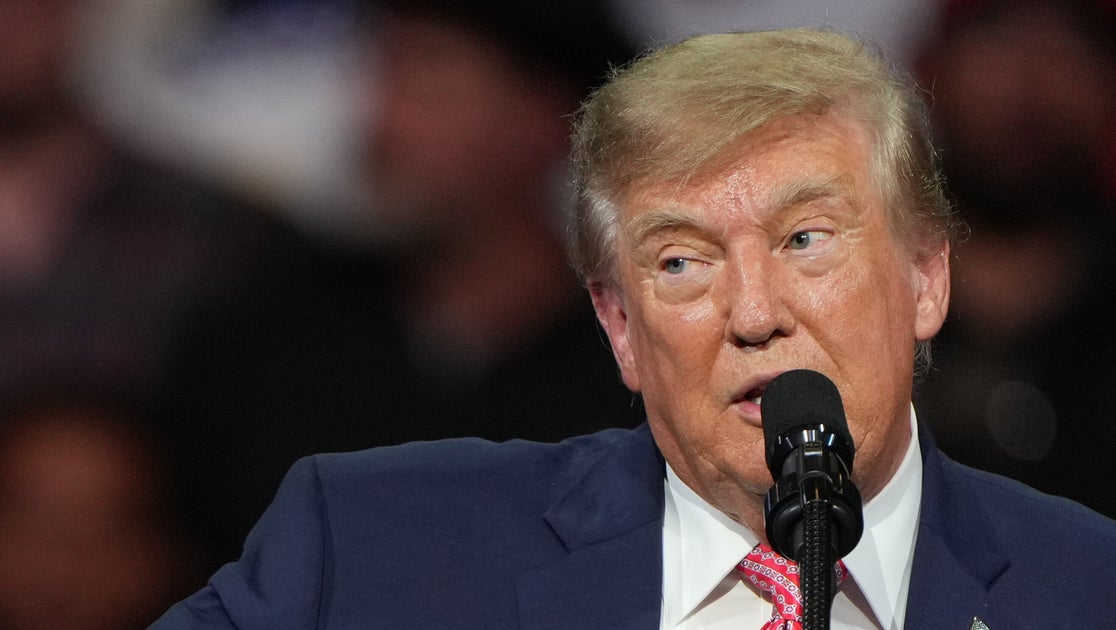
Trump Backs Marshall in Kansas Senate Race Tightened by Farm Costs
President Trump rallied in deep-red Kansas for GOP Sen. Roger Marshall in a competitive race, announcing an $8 billion farm fuel relief program amid high diesel prices. Democrats see an opening to end 94 years of GOP dominance in the state.

Trump Pauses Russia Sanctions Amid Ukraine Tensions and Missile Strikes
Trump waived sanctions on Russia and floated trilateral talks with Putin and Xi as part of ending the Ukraine war, while tensions rose with Zelenskyy over Starlink and arms. Bipartisan senators engaged Zelenskyy amid the shifts.
The Compass
You just read five takes on one story.
What's your take? Find your political shape in a few minutes.
Take the test