
GOP Senators Question Defense Funds and Voter Rules in Budget Deal
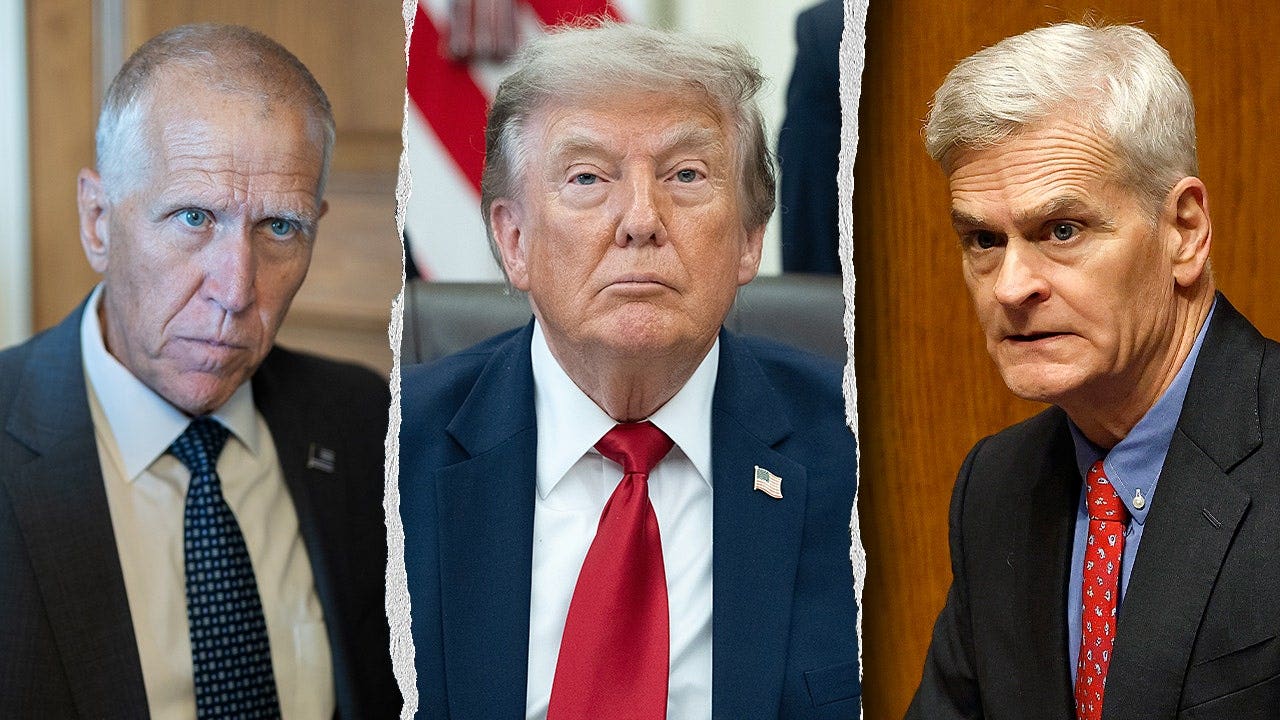
Cover image from foxnews.com, which was analyzed for this article
Senate and House navigate Trump's $1.5T defense proposal, spending cuts and nominee fights including AG confirmation hurdles, exposing GOP divisions.
PoliticalOS
Friday, July 17, 2026 — Politics
Senate resistance centers on attaching voter legislation and the absence of spending cuts to a defense-heavy budget package. These objections could force changes before any final vote or delay action past the August recess.
What outlets missed
The $73 billion defense allocation inside the $95 billion House framework received little attention outside committee documents. No outlet examined how the lack of offsets would affect deficit projections beyond general statements. Senators' specific objections to using reconciliation to bypass Democrats were reported but not compared with past uses of the process. The August recess deadline and its effect on the Senate calendar were noted without exploring fallback options if the package fails.
Republican lawmakers face pressure to advance a $95 billion budget framework that includes $73 billion for defense and intelligence programs. The measure would set the stage for a reconciliation bill carrying election integrity provisions, yet several senators have signaled they may block or delay it.
House Budget Committee members advanced the blueprint on July 16. Speaker Mike Johnson said both chambers could finish a budget resolution before the August recess. Senate Majority Leader John Thune responded that the timeline was news to him and questioned whether attaching the SAVE America Act justified the procedural risks.
Sen. Thom Tillis of North Carolina stated he would vote no on any package containing the SAVE Act and would slow other legislation. He called the effort a waste of time. Sen. Bill Cassidy of Louisiana wrote that the next reconciliation bill should be fully paid for. Rep. Eric Burlison of Missouri said the absence of spending cuts made the plan unacceptable.
The White House circulated a memo urging passage without changes. Some Republicans also raised concerns that defense dollars could lack sufficient oversight and that grants meant to encourage state adoption of voter ID rules were too weak. The Senate is scheduled to leave Washington the first week of August, adding urgency to the talks.
More in Politics

Federal Agents Search Omar Home in Ongoing Immigration Probe
Homeland Security agents searched the Minnesota Democrat's DC residence in a criminal probe, prompting accusations of political intimidation from Omar and Democratic leaders. Coverage spans left-leaning outlets like NPR, BBC, and The Guardian alongside right-leaning criticism from The Federalist and Daily Wire.

Trump Diesel Import Plan Draws Pushback Over Russia Ties
The weekend agreement drew bipartisan congressional pushback and criticism from Ukraine's Zelenskyy, with analysts downplaying US fuel price impacts. Right-leaning outlets like National Review, Dispatch, and Washington Examiner questioned its legality and effectiveness.

Independents Test Voter Appetite for Middle Ground in 2026 Midterms
Nearly 200 independents are running in competitive races as voters weigh ballot measures on housing costs in states like Massachusetts. Left-leaning coverage from NYT, NPR, and Guardian highlights turnout and key races while right outlets focus on GOP strategy.
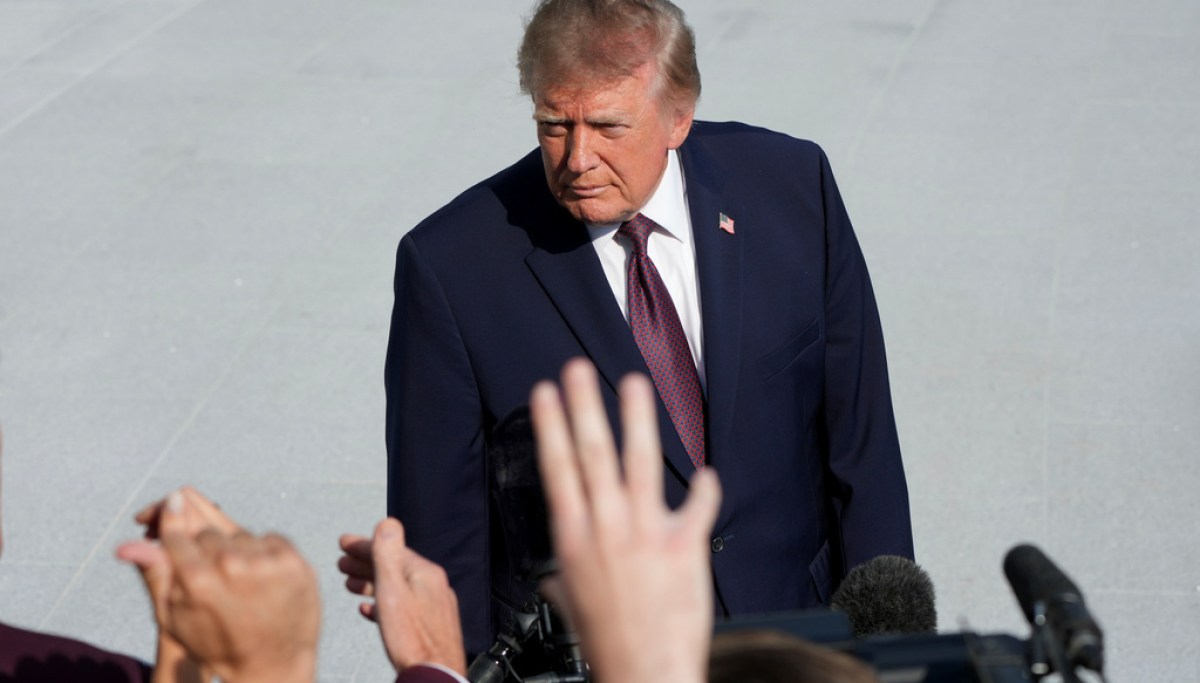
Trump Rallies in Alaska, Ohio to Bolster GOP Senate Candidates
The president rallied in Wasilla for Sen. Dan Sullivan and faced empty seats at an Ohio event amid midterm concerns. Outlets across the spectrum covered the trips as signals of GOP vulnerability weeks before Election Day.
The Compass
You just read five takes on one story.
What's your take? Find your political shape in a few minutes.
Take the test