
Bipartisan Expulsion Push Roils Congress Amid Ethics Scandals
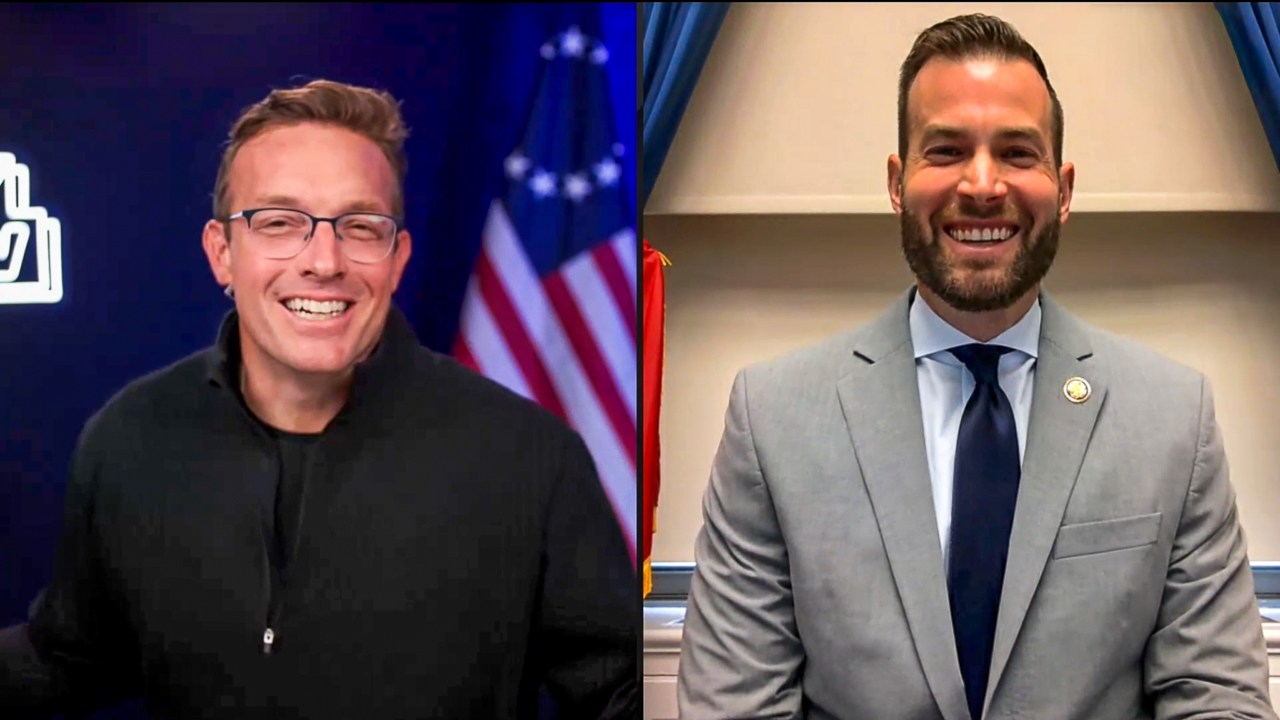
Cover image from crooksandliars.com, which was analyzed for this article
House members across parties face ethics investigations and expulsion motions, including Democrat Sheila Cherfilus-McCormick over alleged theft, Eric Swalwell, and Republican Cory Mills. Extreme rhetoric like death penalty suggestions emerged, alongside bipartisan calls for resignations to clean up Congress. The turmoil underscores growing pressure for accountability.
PoliticalOS
Tuesday, April 21, 2026 — Politics
Multiple members of Congress from both parties have faced credible ethics findings or serious allegations, prompting an unusual bipartisan push for resignations and expulsions that has already changed the membership of the House. Yet the official scope of investigations is often narrower than public claims, due process concerns persist, and only six expulsions have occurred in history. The most important reality is that lasting accountability will require systemic changes such as transparent real-time ethics reporting rather than case-by-case political pressure.
What outlets missed
Official records show the Ethics Committee's referral on Cory Mills is narrowly limited to financial violations such as disclosure failures and improper contracts; claims of stolen valor or violence against women repeated in several stories were not part of that documented probe. Mutual ethics referrals between Mace and Mills received little attention despite Mills raising Mace's March 2026 investigation in his rebuttal. Denials by Cherfilus-McCormick and her explicit statement about clearing her name in court were minimized or omitted in coverage emphasizing the 'guilty' ethics verdict. The exact number of federal charges against her is 11, not 15 as some outlets stated, and no sentencing hearing has been scheduled. Historical context that only six expulsions have ever occurred, combined with the two-thirds threshold and the rarity of public Ethics hearings, was often underplayed in favor of individual drama.
Bipartisan Revolt Against Congressional Misconduct Gains Steam After Two Resignations
WASHINGTON — A rare bipartisan effort to confront sexual misconduct, financial corruption and ethical failures in Congress intensified this week after forcing the resignations of two lawmakers and now targeting others in both parties for potential expulsion.
The departures of Rep. Eric Swalwell, a California Democrat accused of sexual assault and misconduct by five women including allegations of rape, and Rep. Tony Gonzales, a Texas Republican who admitted to an affair with a staffer who later died by suicide, did not come from internal leadership or the long-dysfunctional House Ethics Committee. Instead, they resulted from sustained pressure by Rep. Anna Paulina Luna, a Florida Republican, and Rep. Teresa Leger Fernandez, a New Mexico Democrat, who assembled a cross-aisle coalition threatening expulsion. Their work exposed how the ethics process has for decades allowed investigations to drag on without consequence while members resign quietly to avoid accountability.
That momentum is now spreading. On Monday, Rep. Nancy Mace, a South Carolina Republican with her own history of clashing with party leadership, filed a resolution to expel Rep. Cory Mills, a Florida Republican under Ethics Committee investigation for allegations including violence against women, stolen valor, profiting from federal contracts and misusing campaign funds. Mace had previously attempted to censure Mills and strip him of his committee assignments on the Armed Services and Foreign Affairs panels, only to see both parties block the effort.
"The Swamp has protected Cory Mills for too long and we are done letting it slide," Mace said in a statement. "We tried to censure him. Both parties blocked it, but we are not backing down. Any member who votes to keep him here is voting to protect a woman beater and a fraud."
Mills fired back on social media, accusing Mace of political theatrics and ignoring due process while noting her own ongoing ethics inquiries and legal issues in South Carolina. He challenged her to bring the resolution to a vote immediately.
The scrutiny is not limited to Republicans. The House Ethics Committee is scheduled to hold a public hearing Tuesday to recommend sanctions for Rep. Sheila Cherfilus-McCormick, a Florida Democrat found guilty of more than two dozen ethics violations after an investigation revealed she allegedly funneled over $5 million in disaster relief funds into her campaign. She faces separate federal criminal charges for the scheme, has pleaded not guilty and refused calls to resign, telling reporters she will not abandon her district.
Interviews with more than 30 House Democrats by Axios revealed widespread readiness to vote for her expulsion if the Ethics Committee recommends it. Multiple members, including Reps. Angie Craig, Eric Sorensen, Shri Thanedar and Jared Golden, described the allegations as too serious to ignore and emphasized the need to restore public trust. House Minority Leader Hakeem Jeffries has so far avoided directing his caucus but said they would review the facts after the hearing.
This marks a significant shift. Just six members have been expelled from the House in American history, the most recent being former Rep. George Santos in 2023. The Ethics Committee, established in 1967, has a track record of slow-walking cases until the political pressure becomes unbearable. In the Gonzales case, leadership took no action for weeks after his admission. Only the threat of expulsion from lawmakers across the aisle changed the equation.
Reps. Alexandria Ocasio-Cortez and Lauren Boebert, ideological opposites, both welcomed the resignations as a turning point while insisting more must be done. Ocasio-Cortez specifically named Mills as the next target. Boebert called for stripping implicated members of their federal pensions. Luna and Leger Fernandez have indicated they are already examining both Mills and Cherfilus-McCormick.
Even some of the loudest voices on the right are escalating their rhetoric. Rep. Clay Fuller, a Georgia Republican who took over former Rep. Marjorie Taylor Greene's seat, told a conservative podcast that lawmakers who commit serious crimes like rape while in positions of public trust should face the death penalty. He framed it as part of broader legislation to impose harsher penalties on those who betray public confidence.
Whether this surge of accountability will produce lasting reform remains uncertain. For years, both parties have shielded their own while selectively condemning the opposition, allowing a culture of impunity to fester. The current efforts, driven by a small group of determined lawmakers from opposing sides, represent the most serious challenge to that status quo in recent memory. With an Ethics Committee hearing Tuesday and expulsion resolutions pending, Congress faces a test of whether it can finally police itself or will once again retreat into partisan protection rackets.
The coming days will reveal if the bipartisan outrage is performative or if it can translate into the structural changes needed to restore credibility to an institution badly in need of repair.
You just read Progressive's take. Want to read what actually happened?
More in Politics

Trump Defends Ramaswamy Ad Using Estranged Mother in Ohio Race
President Trump defended a GOP nominee's ad featuring a Democratic opponent's estranged mother, calling it powerful, while drawing criticism from some Republicans including Ohio Gov. Mike DeWine. The ad has sparked internal GOP tensions ahead of midterms.

Federal Raid Targets Omar Amid Unresolved Name and Marriage Allegations
Agents searched Rep. Ilhan Omar's DC residence over immigration fraud allegations; she called it bizarre. Reports and commentary questioned her birth name and past marriage details.

Supreme Court Upholds New Hampshire Student ID Voting Ban
The Supreme Court upheld New Hampshire's ban on student IDs as valid voter identification just before midterms, affecting a tight Senate race.

Early Voting Hits 21 Million as Most Trust Midterm Accuracy
Millions have already voted early as parties make final appeals amid $1.4 billion in ad spending; polls show confidence in election accuracy.
The Compass
You just read five takes on one story.
What's your take? Find your political shape in a few minutes.
Take the test