
House Rejects Bid to Curb Trump's Iran Powers as 60-Day Clock Ticks

Cover image from npr.org, which was analyzed for this article
Democrats face questions on challenging Trump's Iran war decisions, sidestepping past pledges to refuse illegal orders as the House delays a war powers vote. The conflict's midterm implications and MAGA support are under discussion amid intensifying tensions. Lawmakers navigate political risks in responding to the administration.
PoliticalOS
Saturday, April 18, 2026 — Politics
The single most important reality is that the constitutional tension over war powers remains unresolved. Congress has once again declined to force withdrawal from an active military campaign against Iran even as the 60-day War Powers clock nears expiration. With casualties reported on all sides, fragile ceasefire talks underway and midterms approaching, both branches are choosing political caution over decisive clarity, leaving U.S. forces in limbo and voters to judge the outcome later.
What outlets missed
Most coverage omitted or downplayed the precise origins of the conflict: U.S.-Israeli strikes on February 28, 2026, under Operation Epic Fury that killed Supreme Leader Ali Khamenei following Iranian proxy actions. Casualty figures, including roughly 2,000 Iranian deaths, 13 U.S. service members and losses among Israeli and Gulf partners, appeared inconsistently and were rarely aggregated. The status of ceasefire talks, Trump's claim that a deal is 'very close,' and Iran's declaration that the Strait of Hormuz had reopened also received uneven or no attention. Finally, the exact legal mechanics and approaching May 1 withdrawal deadline under the War Powers Resolution were subordinated to partisan framing in nearly every outlet.
House Narrowly Blocks Democratic Effort to End Trump Iran Campaign
The House of Representatives voted 214 to 213 on Thursday to defeat a Democratic resolution that would have invoked the War Powers Act to halt President Donald Trump's military operations against Iran. The narrow failure, the second in recent weeks, came as the conflict entered its seventh week with American forces conducting strikes and helping enforce a naval blockade of the Strait of Hormuz alongside Israeli troops.
Democrats framed the vote as a defense of constitutional authority, arguing that Trump had launched hostilities without proper congressional approval. Yet their criticism carried a striking omission. Only months earlier, six Democratic lawmakers with military backgrounds, including Sen. Elissa Slotkin of Michigan, Sen. Mark Kelly of Arizona, Rep. Jason Crow of Colorado and others, publicly instructed service members to "refuse illegal orders" and reject any unconstitutional directives from a president.
That language has disappeared now that the orders come from Trump. Sen. Richard Blumenthal of Connecticut said Thursday that "the troops are in no way to blame for this illegal war. Responsibility lies solely and simply with the president." Rep. Darren Soto of Florida added, "We support the troops always. They're following orders. This is about a debate of whether we should be there or not." None of the six lawmakers responded to requests for comment on how their earlier calls for military disobedience apply to the current fighting.
The selective tone reveals much about how Washington actually operates. When Trump was a candidate, some of these same Democrats warned of rogue generals and an unaccountable executive. Once in power themselves or facing a Republican president actually using force, the rhetoric shifted to protecting institutional norms while still shielding the Pentagon rank and file. Republicans on the floor noted the contradiction, with several arguing it was reckless to attempt to pull the plug on operations while American ships and aircraft remain in harm's way.
The measure's defeat reflects a practical reality in wartime. Once combat begins, presidents have historically directed operations with broad latitude for at least sixty days under the 1973 War Powers Resolution. The administration notified Congress of the initial strikes, which were launched in response to Iranian aggression that threatened global energy supplies and directly targeted U.S. allies. The blockade of the Strait of Hormuz aims to prevent Tehran from mining shipping lanes that carry roughly twenty percent of the world's oil.
Still, the vote exposed fractures within both parties. A handful of anti-intervention Republicans joined nearly all Democrats in support of the resolution, though three Democrats who had previously opposed similar measures switched sides to back it this time. The one-vote margin suggests growing discomfort even among some institutionalists about the scale and duration of the campaign.
That unease is particularly pronounced inside the president's own political base. Segments of the MAGA movement that propelled Trump to victory have made clear they did not sign up for another Middle East conflict. Online forums, talk radio calls and grassroots organizers have voiced frustration that resources are being poured into Operation Epic Fury while domestic crises, from border security to inflation's lingering damage, receive less attention. Many remember Trump's first-term pledges to avoid nation-building and endless wars. They question why the United States must play an outsized role in what some describe as a regional dispute between Iran and Israel, especially when American families continue to struggle with high costs for fuel, food and housing.
Public polling reflected in NPR's reporting this week shows the war's potential to complicate Republican prospects in the upcoming midterm elections. While most voters still back strong defense of U.S. interests, enthusiasm drops when the mission expands beyond immediate retaliation. Independent voters in districts with large veteran populations appear particularly skeptical of open-ended engagements. Democrats hope the conflict revives their traditional attacks on Republican foreign policy adventurism, yet their own inconsistent messaging on military obedience has blunted that effort.
For his part, Trump has maintained that decisive action was required to prevent Iran from developing nuclear weapons and disrupting global commerce. Administration officials point to early successes in degrading Iranian missile capabilities and deterring proxy attacks on American personnel. They insist the operation is limited and not intended as an occupation or regime-change war.
Critics from the America First wing counter that limited wars have a habit of expanding. They note the military-industrial interests that profit from prolonged engagements and the foreign policy establishment that never seems to meet a conflict it doesn't like. The narrow House vote may have preserved presidential flexibility for now, but it also underscored how little consensus exists in Washington for yet another commitment of American blood and treasure far from home.
As the conflict continues, the political price at home will likely rise. Midterm voters are famously focused on pocketbook issues and basic security. A war that disrupts oil prices or produces American casualties could scramble the electoral map in ways neither party has fully calculated. For a president who campaigned on putting American interests first, the coming weeks will test whether the Iran campaign serves that goal or simply repeats the pattern of the past two decades that so many of his supporters explicitly rejected.
You just read America First's take. Want to read what actually happened?
More in Politics

Trump Defends Ramaswamy Ad Using Estranged Mother in Ohio Race
President Trump defended a GOP nominee's ad featuring a Democratic opponent's estranged mother, calling it powerful, while drawing criticism from some Republicans including Ohio Gov. Mike DeWine. The ad has sparked internal GOP tensions ahead of midterms.
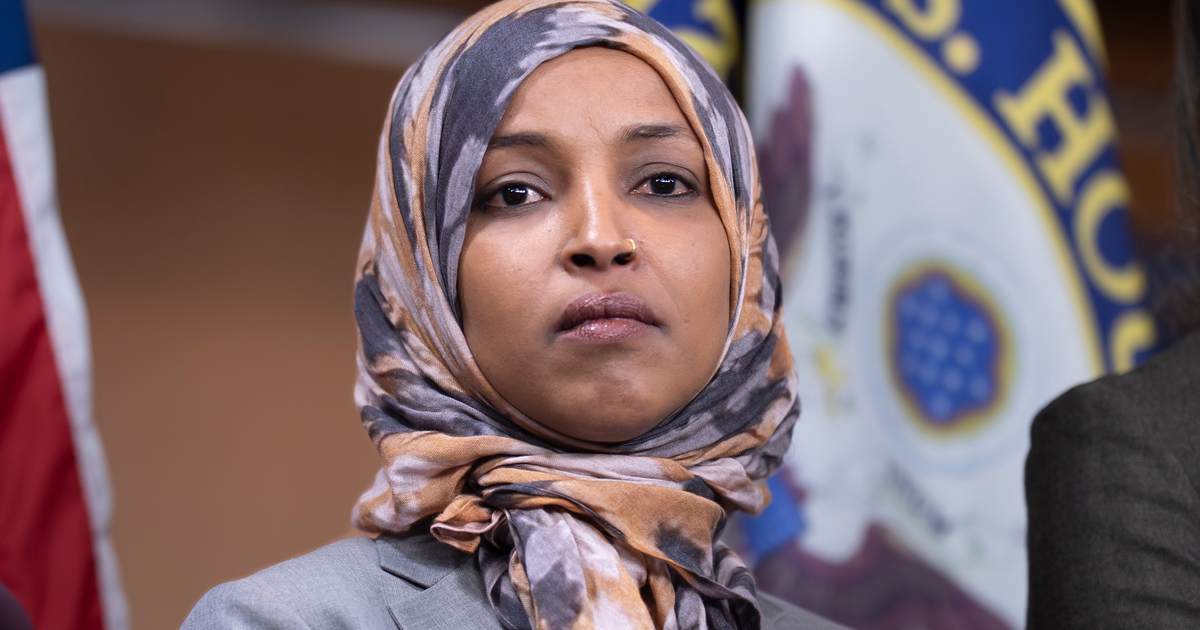
Federal Raid Targets Omar Amid Unresolved Name and Marriage Allegations
Agents searched Rep. Ilhan Omar's DC residence over immigration fraud allegations; she called it bizarre. Reports and commentary questioned her birth name and past marriage details.

Supreme Court Upholds New Hampshire Student ID Voting Ban
The Supreme Court upheld New Hampshire's ban on student IDs as valid voter identification just before midterms, affecting a tight Senate race.
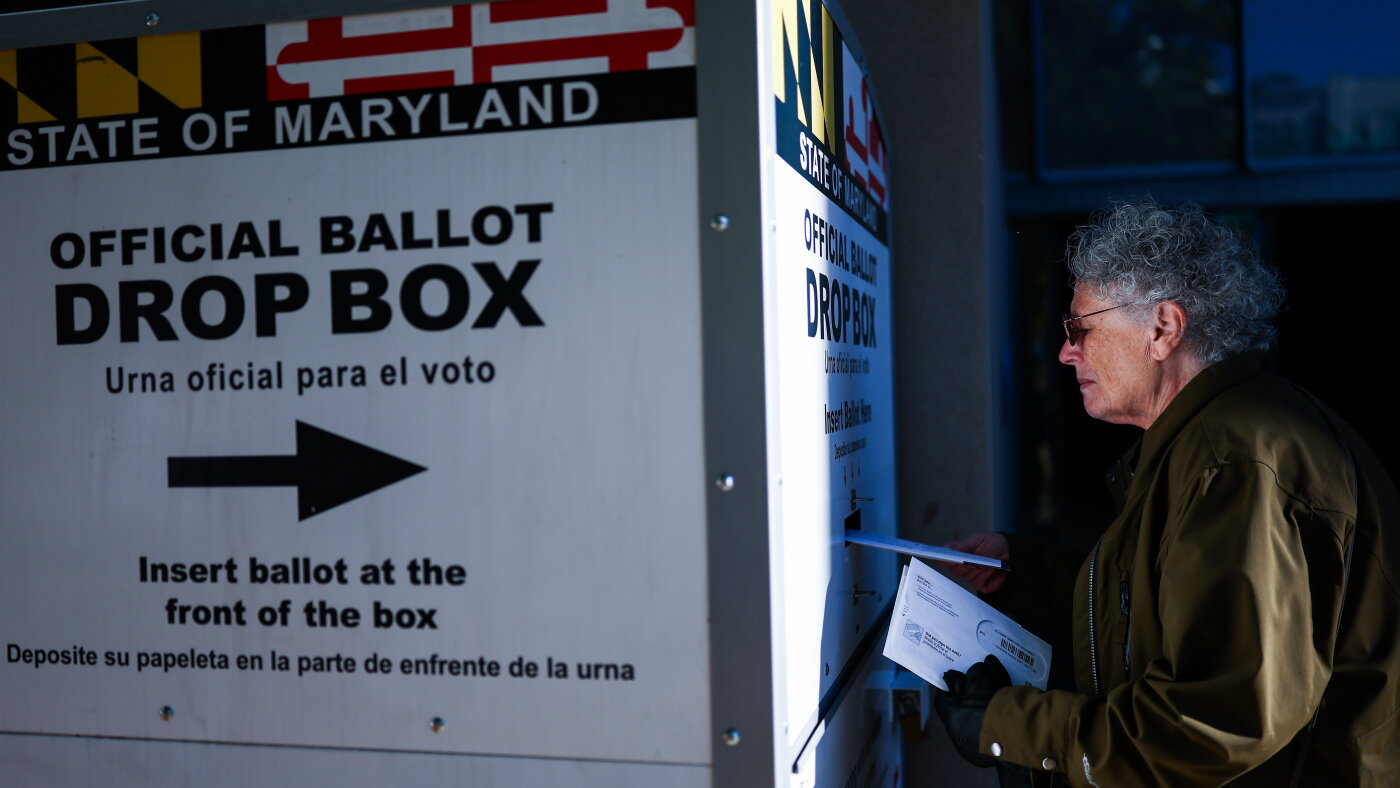
Early Voting Hits 21 Million as Most Trust Midterm Accuracy
Millions have already voted early as parties make final appeals amid $1.4 billion in ad spending; polls show confidence in election accuracy.
The Compass
You just read five takes on one story.
What's your take? Find your political shape in a few minutes.
Take the test