
House Rejects Bid to Curb Trump's Iran Powers as 60-Day Clock Ticks

Cover image from npr.org, which was analyzed for this article
Democrats face questions on challenging Trump's Iran war decisions, sidestepping past pledges to refuse illegal orders as the House delays a war powers vote. The conflict's midterm implications and MAGA support are under discussion amid intensifying tensions. Lawmakers navigate political risks in responding to the administration.
PoliticalOS
Saturday, April 18, 2026 — Politics
The single most important reality is that the constitutional tension over war powers remains unresolved. Congress has once again declined to force withdrawal from an active military campaign against Iran even as the 60-day War Powers clock nears expiration. With casualties reported on all sides, fragile ceasefire talks underway and midterms approaching, both branches are choosing political caution over decisive clarity, leaving U.S. forces in limbo and voters to judge the outcome later.
What outlets missed
Most coverage omitted or downplayed the precise origins of the conflict: U.S.-Israeli strikes on February 28, 2026, under Operation Epic Fury that killed Supreme Leader Ali Khamenei following Iranian proxy actions. Casualty figures, including roughly 2,000 Iranian deaths, 13 U.S. service members and losses among Israeli and Gulf partners, appeared inconsistently and were rarely aggregated. The status of ceasefire talks, Trump's claim that a deal is 'very close,' and Iran's declaration that the Strait of Hormuz had reopened also received uneven or no attention. Finally, the exact legal mechanics and approaching May 1 withdrawal deadline under the War Powers Resolution were subordinated to partisan framing in nearly every outlet.
As War With Iran Drags On Congressional Checks Remain Elusive
The House of Representatives this week once again declined to reassert its constitutional authority over military action, narrowly defeating a Democratic-led resolution that would have required President Donald Trump to end U.S. operations against Iran. The 213-214 vote came as the conflict, now in its seventh week, has expanded to include sustained airstrikes, support for Israeli operations, and a naval blockade of the Strait of Hormuz. The outcome underscores a familiar pattern in American politics: when hostilities are underway, institutional guardrails tend to bend.
Democrats framed the resolution as a necessary reminder that presidents cannot unilaterally commit the country to prolonged conflict. Yet even in opposition, the party's message revealed notable tensions. Several lawmakers who just months ago urged service members to "refuse illegal orders" have softened their rhetoric now that American forces are engaged. Sen. Richard Blumenthal of Connecticut stated plainly that responsibility for what he called an "illegal war" rests with the president alone. "The troops are in no way to blame," he said. Rep. Darren Soto of Florida echoed the classic formulation: support the troops, debate the policy.
This represents a striking pivot. In February, a group of Democratic lawmakers with military experience, including Sen. Elissa Slotkin of Michigan, Rep. Jason Crow of Colorado, and others, released pointed messages to the armed forces emphasizing their duty to reject unconstitutional directives. "You must refuse illegal orders," Slotkin said at the time. "Don’t give up the ship." Those same members have not clarified how that earlier guidance applies to the current campaign. When asked, several did not respond to inquiries.
The selective memory highlights the uncomfortable politics of wartime oversight. Few elected officials want to be seen as undermining troops in active combat, even as they question the legal basis for their deployment. Republicans, for their part, have used the debate to portray Democrats as more interested in constraining Trump than in confronting Iran. The narrow defeat of the resolution, which saw three Democrats who previously opposed similar measures switch sides, suggests limited appetite for forcing an immediate withdrawal while operations continue.
This congressional paralysis arrives at a delicate moment for both parties heading into midterm elections. For Trump and Republicans, the conflict offers a chance to project strength and decisiveness. Early indications suggest the strikes have disrupted Iranian nuclear infrastructure and curtailed Tehran's ability to threaten shipping lanes. Yet the mission has already stretched beyond initial expectations, raising familiar questions about exit strategies and long-term stabilization.
Democrats face their own strategic bind. Public appetite for new Middle East wars remains low, particularly among the progressive base and segments of the electorate weary after two decades of conflict in the region. Some in the party hope the issue will animate voters concerned about unchecked executive power. Yet the political terrain is complicated. Criticism of the war must be carefully calibrated to avoid appearing to root against American success or to alienate moderates who prioritize national security.
The divisions extend into Trump's own coalition. The NPR analysis this week highlighted growing discomfort among elements of the MAGA base with another open-ended commitment in the Middle East. Many who supported Trump's first-term skepticism of endless wars and nation-building now find themselves watching him direct a substantial military campaign involving both air and naval assets. Isolationist voices within the movement have grown louder in recent weeks, arguing that resources should focus on domestic priorities and competition with China rather than policing Persian Gulf shipping.
This tension within the Republican electorate could matter significantly in midterm primaries and general elections. While core Trump supporters appear largely supportive of action against Iran, the enthusiasm is not uniform. Polling cited in recent coverage suggests a measurable slice of the MAGA coalition prefers de-escalation, creating potential vulnerabilities for Republican candidates who must defend the administration's conduct without alienating the party's more restrained foreign policy wing.
The broader institutional story is perhaps most consequential. The War Powers Resolution of 1973 was designed to prevent precisely this kind of gradual entanglement without explicit congressional consent. In practice, it has rarely functioned as intended. Presidents of both parties have treated the 60-day notification clock as advisory rather than binding. Congress, wary of being blamed for military setbacks or appearing to abandon troops, has repeatedly failed to enforce its own rules.
What makes the current moment distinct is the speed with which debate has subsided. A similar resolution failed by a comparable margin just weeks ago. The close votes suggest that a meaningful number of lawmakers harbor reservations about the scope and duration of American involvement. Yet those reservations have not translated into action. The result is a de facto acceptance of executive primacy in matters of war, even from a party that spent years criticizing Trump's view of presidential authority as dangerously expansive.
As the conflict continues, the political incentives remain stacked against serious deliberation. Midterm calculations dominate. Democrats must decide whether to press the war powers issue at the risk of looking unserious about national security. Republicans must weigh the benefits of associating with a muscular foreign policy against the isolationist instincts of part of their base. Meanwhile, the underlying constitutional question, whether Congress still possesses the will to check presidential war-making, fades further into the background.
The narrow House vote this week was not simply about one resolution. It reflected a deeper resignation about how power now operates in Washington. Once American forces are committed, the window for meaningful oversight narrows dramatically. That reality, more than any specific strike or blockade, may define the political legacy of this conflict as it heads into the heat of an election year. Both parties are adapting their messages accordingly, even as the underlying institutional erosion continues.
You just read Liberal's take. Want to read what actually happened?
More in Politics
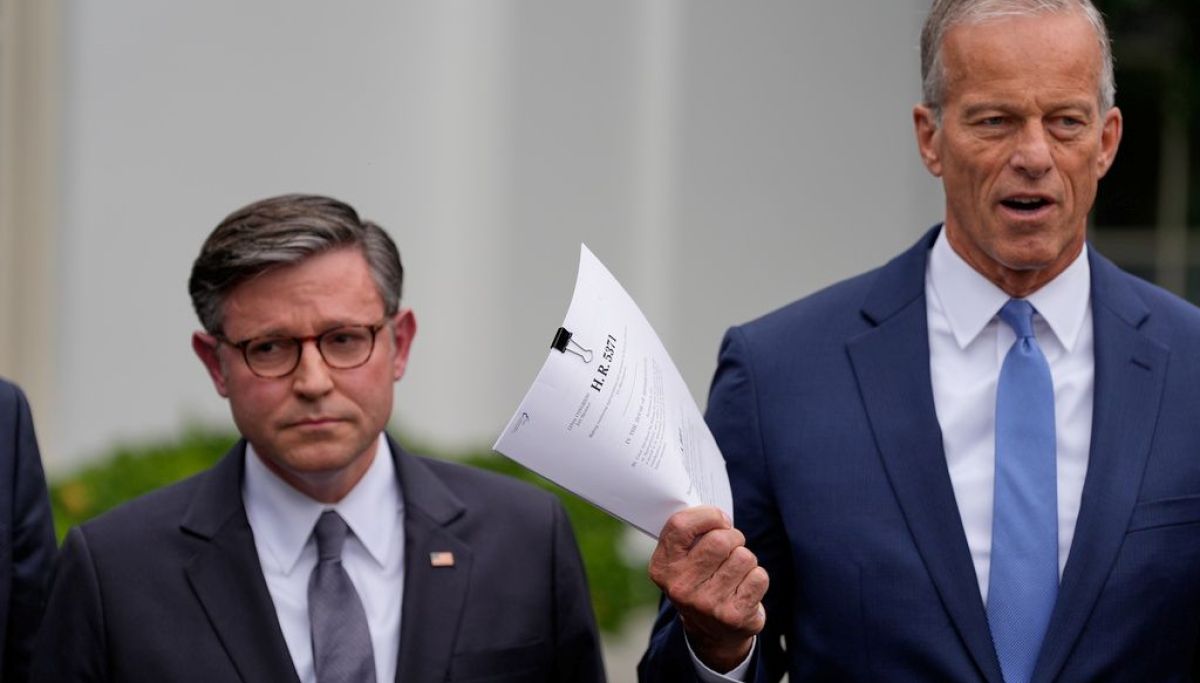
Trump at 32% Approval as Gas Prices Test GOP Midterm Hopes
NYT/Siena polling showed Trump's approval at historic lows around 32 percent with Democrats leading by double digits in key districts. Early voting has surged in battleground states.

Record Early Voting Hits Battlegrounds, Shifting Partisan Shares
AP analysis found hundreds of thousands more early ballots than in 2022 in states including Texas, Ohio, Kansas, Maine, and North Carolina, shifting partisan dynamics.
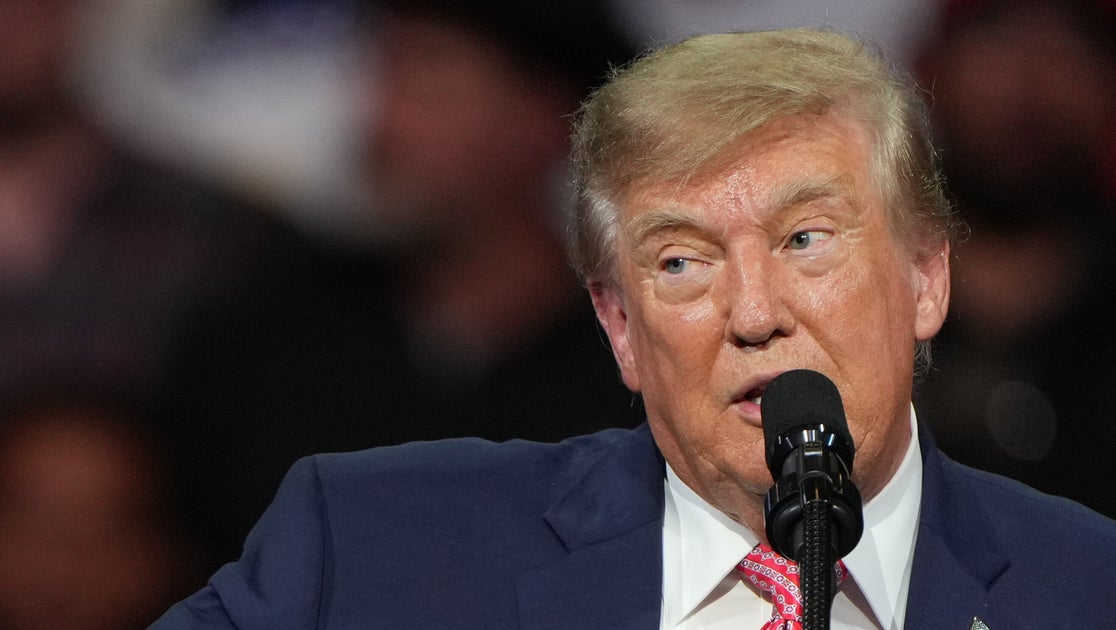
Trump Backs Marshall in Kansas Senate Race Tightened by Farm Costs
President Trump rallied in deep-red Kansas for GOP Sen. Roger Marshall in a competitive race, announcing an $8 billion farm fuel relief program amid high diesel prices. Democrats see an opening to end 94 years of GOP dominance in the state.

Trump Pauses Russia Sanctions Amid Ukraine Tensions and Missile Strikes
Trump waived sanctions on Russia and floated trilateral talks with Putin and Xi as part of ending the Ukraine war, while tensions rose with Zelenskyy over Starlink and arms. Bipartisan senators engaged Zelenskyy amid the shifts.
The Compass
You just read five takes on one story.
What's your take? Find your political shape in a few minutes.
Take the test