
House Rejects Bid to Curb Trump's Iran Powers as 60-Day Clock Ticks

Cover image from npr.org, which was analyzed for this article
Democrats face questions on challenging Trump's Iran war decisions, sidestepping past pledges to refuse illegal orders as the House delays a war powers vote. The conflict's midterm implications and MAGA support are under discussion amid intensifying tensions. Lawmakers navigate political risks in responding to the administration.
PoliticalOS
Saturday, April 18, 2026 — Politics
The single most important reality is that the constitutional tension over war powers remains unresolved. Congress has once again declined to force withdrawal from an active military campaign against Iran even as the 60-day War Powers clock nears expiration. With casualties reported on all sides, fragile ceasefire talks underway and midterms approaching, both branches are choosing political caution over decisive clarity, leaving U.S. forces in limbo and voters to judge the outcome later.
What outlets missed
Most coverage omitted or downplayed the precise origins of the conflict: U.S.-Israeli strikes on February 28, 2026, under Operation Epic Fury that killed Supreme Leader Ali Khamenei following Iranian proxy actions. Casualty figures, including roughly 2,000 Iranian deaths, 13 U.S. service members and losses among Israeli and Gulf partners, appeared inconsistently and were rarely aggregated. The status of ceasefire talks, Trump's claim that a deal is 'very close,' and Iran's declaration that the Strait of Hormuz had reopened also received uneven or no attention. Finally, the exact legal mechanics and approaching May 1 withdrawal deadline under the War Powers Resolution were subordinated to partisan framing in nearly every outlet.
Democrats Challenge Trump Iran War but Shun Past Calls to Defy Illegal Orders
As the United States enters its seventh week of direct military conflict with Iran, congressional Democrats have intensified their criticism of President Donald Trump's unilateral campaign while quietly distancing themselves from earlier demands that service members refuse what they once termed unconstitutional orders. The selective rhetoric comes as a Democratic-led war powers resolution failed in the House by the narrowest of margins, underscoring both partisan divisions and a broader institutional reluctance to confront executive war-making in real time.
The House voted 213-214 on Thursday against a resolution that would have invoked the War Powers Resolution of 1973 to curtail ongoing U.S. strikes and the naval blockade of the Strait of Hormuz. The measure marked the second such failure in recent weeks. Three Democrats who had previously opposed similar language switched their votes in favor this time, yet the effort still fell one vote short. Republicans argued during floor debate that attempting to handcuff the commander-in-chief while American forces are engaged in active hostilities was both irresponsible and politically opportunistic. Democrats countered that Trump had launched "Operation Epic Fury" without proper congressional authorization, effectively bypassing the constitutional requirement that only Congress can declare war.
"The troops are in no way to blame for this illegal war. Responsibility lies solely and simply with the president," Sen. Richard Blumenthal of Connecticut said in a statement that captured the prevailing Democratic line. Rep. Darren Soto of Florida echoed the sentiment: "We support the troops always. They're following orders. This is about a debate of whether we should be there or not."
Such careful phrasing stands in notable contrast to comments made just months earlier by several Democrats with military experience. In a joint statement, Sen. Elissa Slotkin of Michigan, Sen. Mark Kelly of Arizona, Rep. Chris Deluzio of Pennsylvania, Rep. Maggie Goodlander of New Hampshire, Rep. Chrissy Houlahan of Pennsylvania, and Rep. Jason Crow of Colorado urged service members to "refuse illegal orders" and warned against allowing unconstitutional directives to go unchallenged. "You must refuse illegal orders. Don't give up the ship," Slotkin said at the time. None of the six responded to requests for clarification on how those earlier statements apply to the current conflict with Iran.
The apparent retreat reflects a familiar pattern in Washington: rhetorical opposition to endless wars that often dissolves once the bombs begin falling. Progressives have long warned that the post-9/11 expansion of executive war powers threatens democratic accountability. Yet when faced with an actual test, many Democrats appear unwilling to risk being painted as weak on national security or unsupportive of troops in the field, particularly with midterm elections now just months away.
Public opinion data cited in recent political reporting suggests the Iran conflict is injecting fresh volatility into those elections. While initial strikes may have produced a brief rally-around-the-flag effect, sustained U.S. involvement including the economically disruptive Hormuz blockade has begun to erode support. Polling indicates war fatigue is particularly pronounced among independent voters and within segments of the Republican coalition. A notable portion of Trump's MAGA base, influenced by the former president's past isolationist rhetoric, views American entanglement in yet another Middle East conflict with deep skepticism. Online forums and conservative commentators aligned with the America First movement have questioned the necessity of the campaign, complaining that it distracts from domestic priorities and repeats the mistakes of previous Republican administrations.
This internal tension within the president's own political movement creates a complicated dynamic for Republican candidates heading into November. Many GOP lawmakers who privately harbor reservations about the war's scope and legality nevertheless voted against the war powers measure, prioritizing party loyalty and fear of being labeled anti-military. The narrow defeat of the resolution, achieved even as the conflict intensifies, illustrates how difficult it has become for Congress to reclaim its constitutional role once hostilities are underway.
The administration maintains that its actions fall within the president's Article II authority and that Congress was properly notified. Officials point to Iranian aggression and the need to support Israel as justification for the campaign. Yet legal scholars and anti-war advocates argue that the scale of operations, including sustained airstrikes and a naval blockade, far exceeds any reasonable interpretation of defensive action or the 2002 Authorization for Use of Military Force.
For now, the war continues without meaningful congressional restraint. The House vote effectively grants the executive branch additional time within the 60-day window established by the War Powers Resolution, though critics note that presidents of both parties have treated those limits as suggestions rather than binding law for decades. Democrats have promised further attempts to force votes on authorization, but the political calendar and the realities of wartime messaging may work against them.
What remains clear is that the human and strategic costs of this conflict are mounting. Beyond the immediate military engagements, the war has already disrupted global energy markets, strained alliances, and claimed lives on all sides. As midterm campaigns intensify, voters will inevitably judge whether Washington learned anything from two decades of Middle East quagmires or simply repeated the same failures with new branding. The narrow House vote and the Democrats' rhetorical pivot suggest that genuine accountability remains elusive, regardless of which party controls the levers of power.
You just read Progressive's take. Want to read what actually happened?
More in Politics

Trump Defends Ramaswamy Ad Using Estranged Mother in Ohio Race
President Trump defended a GOP nominee's ad featuring a Democratic opponent's estranged mother, calling it powerful, while drawing criticism from some Republicans including Ohio Gov. Mike DeWine. The ad has sparked internal GOP tensions ahead of midterms.
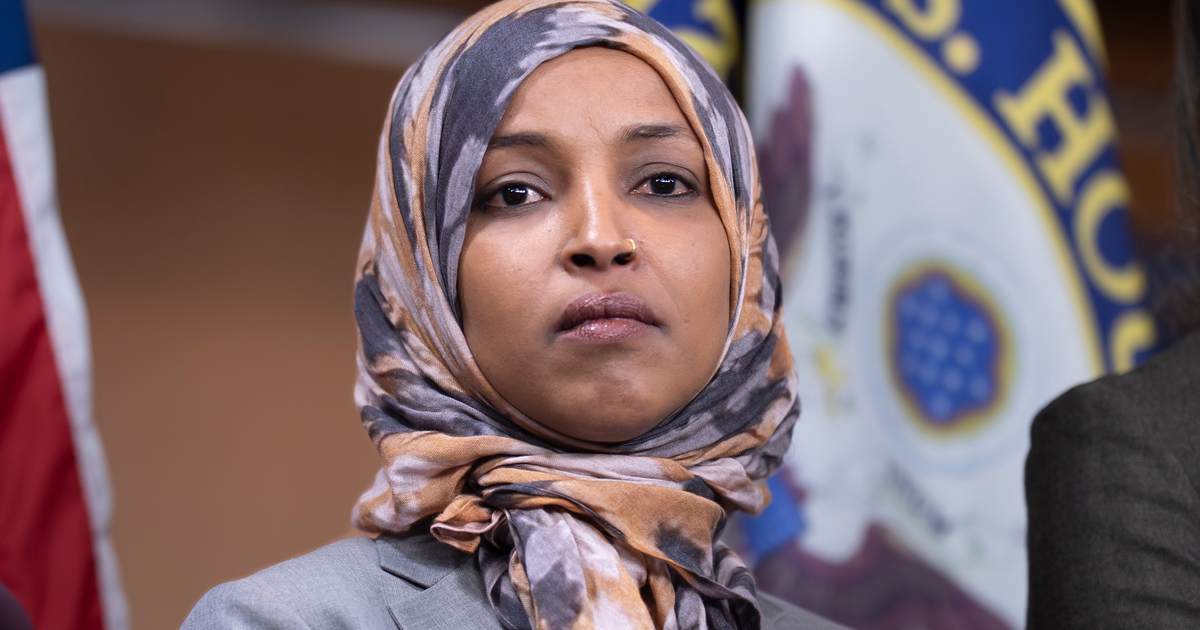
Federal Raid Targets Omar Amid Unresolved Name and Marriage Allegations
Agents searched Rep. Ilhan Omar's DC residence over immigration fraud allegations; she called it bizarre. Reports and commentary questioned her birth name and past marriage details.

Supreme Court Upholds New Hampshire Student ID Voting Ban
The Supreme Court upheld New Hampshire's ban on student IDs as valid voter identification just before midterms, affecting a tight Senate race.
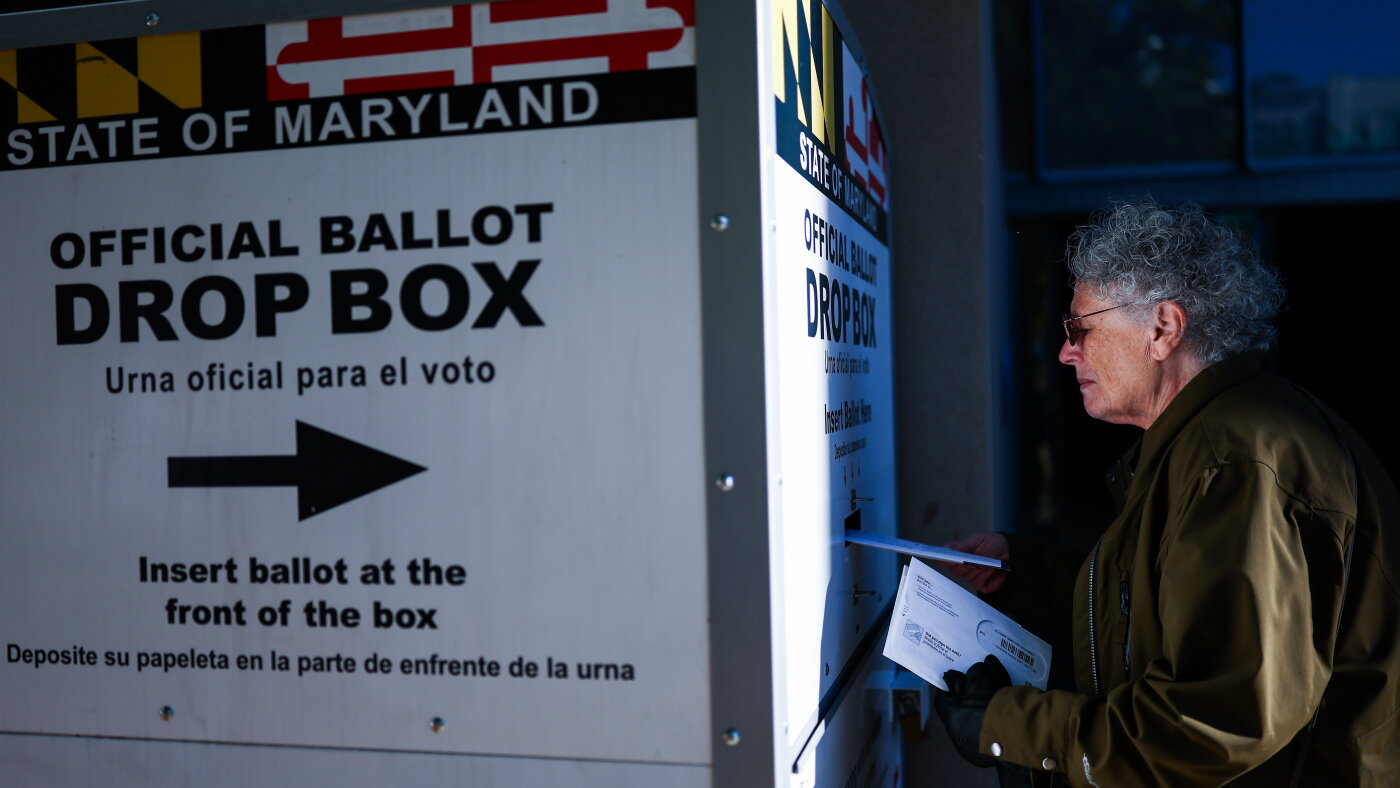
Early Voting Hits 21 Million as Most Trust Midterm Accuracy
Millions have already voted early as parties make final appeals amid $1.4 billion in ad spending; polls show confidence in election accuracy.
The Compass
You just read five takes on one story.
What's your take? Find your political shape in a few minutes.
Take the test