
Special Prosecutor Named in 2024 Cornell Assault Case

Cover image from theguardian.com, which was analyzed for this article
NY Governor Hochul appointed a special prosecutor after the local DA declined to pursue new evidence in a 2024 student gang rape. The case exposed gaps in campus sexual assault protocols and intoxication laws.
PoliticalOS
Saturday, October 3, 2026 — Politics
The appointment of a special prosecutor underscores the tension between New York’s current definition of incapacitation and the facts alleged in the civil complaint. Readers should track whether the new investigation produces evidence that meets the existing statutory threshold or prompts legislative change.
What outlets missed
Most coverage omitted the precise wording of New York’s incapacitation statute and the six-page summary Van Houten reviewed. Few outlets detailed the internal disciplinary outcomes already imposed by Cornell or the exact text messages now cited as new evidence. Little attention was given to the procedural timeline between the November 2024 police report and the September 2026 civil filing, including whether additional witnesses were sought during that interval.
A young woman identified as Jane Doe alleges she was drugged and sexually assaulted by seven men at Cornell University’s Chi Phi fraternity house in October 2024. The case has drawn renewed attention because the local district attorney initially declined charges and later reopened the matter only after a civil lawsuit and public pressure, prompting Governor Kathy Hochul to appoint Attorney General Letitia James as special prosecutor.
Tompkins County District Attorney Matthew Van Houten reviewed a six-page statement from campus police in late 2024 and concluded it did not meet New York’s definition of criminal sexual assault. Under state law, mental incapacitation requires that a victim be rendered incapable of controlling conduct by a drug administered without consent. Van Houten stated that Doe’s account described voluntary intoxication followed by additional substances, which did not satisfy that standard. He has since cited new details from the September 2026 civil complaint as grounds for reopening the file.
The civil suit names the seven men, Cornell University, fraternity and sorority organizations, and a local bar. Lawyers for several of the accused have denied the allegations. Cornell has reported that its internal process resulted in suspensions and expulsions for some of the men and that the fraternity remains barred from campus. Text messages among some of the men, including one described as referencing “free pussy,” surfaced after the initial review and are now part of the reopened inquiry.
New York is one of 19 states that limit findings of incapacitation to situations involving surreptitious administration of intoxicants. Three states—Minnesota, Michigan, and Texas—have recently removed that distinction. Bills to alter New York’s rule have been introduced annually since 2019 without passage. Advocates argue the current language leaves victims who drink voluntarily without recourse even when heavily impaired; defenders of the statute maintain it preserves a clear line between incapacity and poor judgment.
Hochul’s appointment of James removes the case from Van Houten’s office. The special prosecutor will have authority to subpoena records, interview witnesses, and decide whether criminal charges are warranted. No timeline for completion has been announced. The episode has also prompted renewed campus discussions of the “Red Zone” period between the start of fall semester and Thanksgiving, during which multiple studies have found more than half of reported campus sexual assaults occur.
More in Politics

Federal Agents Search Omar Home in Ongoing Immigration Probe
Homeland Security agents searched the Minnesota Democrat's DC residence in a criminal probe, prompting accusations of political intimidation from Omar and Democratic leaders. Coverage spans left-leaning outlets like NPR, BBC, and The Guardian alongside right-leaning criticism from The Federalist and Daily Wire.

Trump Diesel Import Plan Draws Pushback Over Russia Ties
The weekend agreement drew bipartisan congressional pushback and criticism from Ukraine's Zelenskyy, with analysts downplaying US fuel price impacts. Right-leaning outlets like National Review, Dispatch, and Washington Examiner questioned its legality and effectiveness.

Independents Test Voter Appetite for Middle Ground in 2026 Midterms
Nearly 200 independents are running in competitive races as voters weigh ballot measures on housing costs in states like Massachusetts. Left-leaning coverage from NYT, NPR, and Guardian highlights turnout and key races while right outlets focus on GOP strategy.
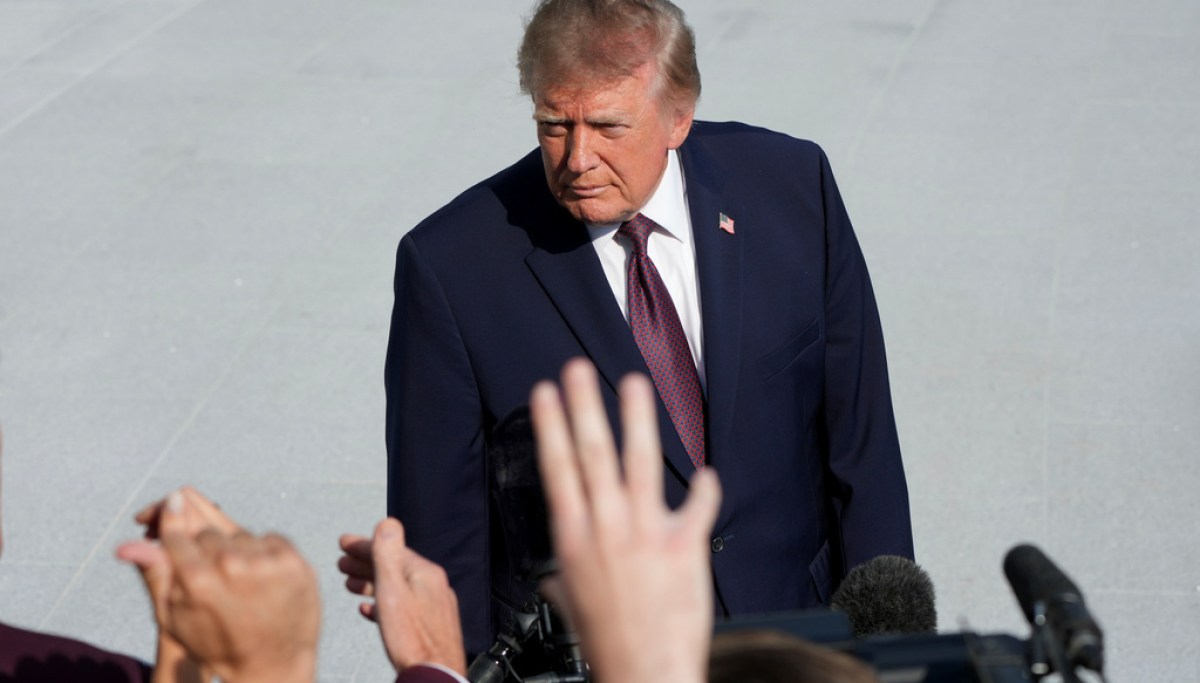
Trump Rallies in Alaska, Ohio to Bolster GOP Senate Candidates
The president rallied in Wasilla for Sen. Dan Sullivan and faced empty seats at an Ohio event amid midterm concerns. Outlets across the spectrum covered the trips as signals of GOP vulnerability weeks before Election Day.
The Compass
You just read five takes on one story.
What's your take? Find your political shape in a few minutes.
Take the test