
Appeals Court Blocks Mail-Order Abortion Pills, Alito Grants Temporary Stay

Cover image from thedispatch.com, which was analyzed for this article
A unanimous appeals court blocked a Biden-era policy permitting mifepristone prescriptions without in-person doctor visits, creating confusion over access. Justice Alito stayed a related ruling. The decision aligns with ongoing state-level restrictions like Florida's ban.
PoliticalOS
Tuesday, May 5, 2026 — Politics
The mifepristone litigation is the latest example of post-Dobbs fragmentation in which federal drug regulation, state abortion limits and court stays collide, producing temporary access while the underlying FDA decisions remain under review. Medication abortion currently accounts for roughly 63 percent of U.S. procedures and remains available under Alito's one-week pause, yet providers and patients face unresolved questions about future rules, existing prescriptions and enforcement in restrictive states. The single most important reality is that no court has yet ruled on the merits of Louisiana's claim that the FDA acted without adequate safety data; that eventual decision, not any single stay, will determine long-term nationwide access.
What outlets missed
Most coverage omitted that Louisiana's suit centers on specific Administrative Procedure Act claims that the FDA lacked adequate data on risks when it eliminated the in-person visit in successive REMS modifications from 2016 onward. Outlets also underplayed the June 2024 Supreme Court precedent on standing, which dismissed a similar challenge by doctors but left room for states to sue on different grounds. The fact that the underlying merits of the FDA rules have not yet been fully adjudicated by any court received little attention, as did the Trump administration's request to pause all proceedings during its own safety review. Finally, national abortion totals have stayed stable near one million per year according to Guttmacher even as state-level swings and travel patterns intensified; this context for Florida's reported 25 percent in-state drop was rarely juxtaposed with the telehealth litigation.
Florida Abortion Restrictions Redirect Thousands Out of State as Legal Battles Continue
Recent empirical data illustrate the practical effects of Florida's decision to limit most abortions to six weeks of gestation. Figures from the Guttmacher Institute's Monthly Abortion Provision Study show that the number of Florida residents traveling elsewhere for the procedure nearly tripled between 2023 and 2024. The state's law, enacted nearly two years ago, replaced a prior 15-week threshold with stricter limits and penalties for providers who participate in abortions beyond six weeks, except in narrow cases involving rape, incest or grave threats to maternal life.
This outcome aligns with the incentives created by the policy. When a state raises the cost and difficulty of obtaining an abortion within its borders, behavior changes. Many residents now incur travel expenses, arrange childcare, miss work and navigate logistics to reach facilities in states with later gestational limits. The pattern extends beyond Florida. The Southeast, home to multiple states with comparable restrictions since the Supreme Court's 2022 Dobbs decision returned authority to legislatures, has seen increased cross-border movement. Clinics in receiving states report higher demand, revealing how one state's policy ripples across a region where travel distances can exceed hundreds of miles.
The data confirm that Florida has ranked among the top three states for growth in out-of-state abortions. Before the six-week rule, the state had served as a destination for some women from stricter neighboring jurisdictions. That dynamic has reversed in part, with Florida residents joining those flows. Whether the overall number of abortions has declined or merely relocated remains a subject for longer-term analysis. Early indications suggest that barriers do correlate with higher rates of women continuing pregnancies, though comprehensive birth data for 2025 and 2026 will provide clearer evidence. Such trade-offs are inherent in policy choices that protect developing human life at earlier stages while imposing burdens on those seeking to end pregnancies.
These state-level developments occur against a backdrop of continued federal litigation over chemical abortion. Mifepristone, approved by the Food and Drug Administration in 2000 and now used in a majority of abortions, has been at the center of separate court actions. On Friday the 5th U.S. Circuit Court of Appeals issued a decision that would require the drug to be dispensed only in person rather than through mail-order or telehealth channels. The ruling created immediate uncertainty for pharmacies, clinics and patients even in states where abortion remains broadly legal. Some providers paused prescriptions. Others shifted to alternative regimens. Patients reported confusion over time-sensitive medical decisions.
Justice Samuel Alito promptly stayed that order for one week, preserving current access pending further Supreme Court review. The Trump administration had urged courts to pause proceedings until the FDA concludes an updated safety assessment. That position drew criticism from anti-abortion groups who expected faster executive action to restore earlier in-person requirements. Abortion-rights organizations described the sequence as disruptive. The episode demonstrates how overlapping judicial and regulatory processes can produce whiplash even after Dobbs was expected to settle the federal role.
The Supreme Court itself continues to manage deep divisions on these and related questions. Justices have acknowledged that they are, in the words of Justice Amy Coney Barrett, "stuck with one another" regardless of personal rapport. Recent terms have featured repeated clashes over abortion, guns, environmental rules, presidential authority and voting rights. In one recent Voting Rights Act case, Justice Elena Kagan dissented sharply against what she termed the "demolition" of provisions intended to prevent racial vote dilution. Conservative justices, including Samuel Alito and Chief Justice John Roberts, countered that government decisions must avoid racial classifications where possible, a principle they have applied across school assignment and redistricting disputes for two decades. The pattern shows how foundational disagreements persist across years and multiple cases rather than resolving cleanly.
For Florida policymakers, the rising out-of-state travel numbers represent the measurable consequence of prioritizing fetal protection at six weeks, a point when cardiac activity is often detectable. Advocates of the law argue that the statute reflects democratic judgment within the state and responds to evolving medical understanding of early development. Critics focus on the added obstacles for women, especially those with lower incomes or in rural areas. Both observations can be true simultaneously. The policy reduces in-state procedures. It also redirects activity, generating new costs in time, money and health risks associated with later-term abortions or travel.
As the 2026 political calendar advances, these patterns will likely feature in debates over enforcement, exceptions and potential legislative adjustments. Telehealth and mail-order distribution of mifepristone remain flashpoints because they can circumvent state gestational limits when undetected or unmonitored. The Guttmacher numbers already capture some of that dynamic before the latest court stay. Further rulings from the Supreme Court could clarify the regulatory environment for medication abortion nationwide.
In the end, the Florida experience supplies concrete evidence of how abortion policy operates after constitutional questions return to the states. Travel statistics reveal behavioral responses rather than abstract theory. They also highlight trade-offs that cannot be eliminated, only weighed. States continue to experiment within their jurisdictions while federal courts referee narrower questions of drug approval and standing. The resulting patchwork, though untidy, reflects the federalist outcome anticipated by the Dobbs majority. Data will accumulate. Travel volumes may stabilize or shift again depending on neighboring states' policies and the final disposition of the mifepristone litigation. For now, the numbers from Florida document one clear result: when access narrows at home, more residents seek it elsewhere.
You just read Conservative's take. Want to read what actually happened?
More in Politics

Trump Defends Ramaswamy Ad Using Estranged Mother in Ohio Race
President Trump defended a GOP nominee's ad featuring a Democratic opponent's estranged mother, calling it powerful, while drawing criticism from some Republicans including Ohio Gov. Mike DeWine. The ad has sparked internal GOP tensions ahead of midterms.
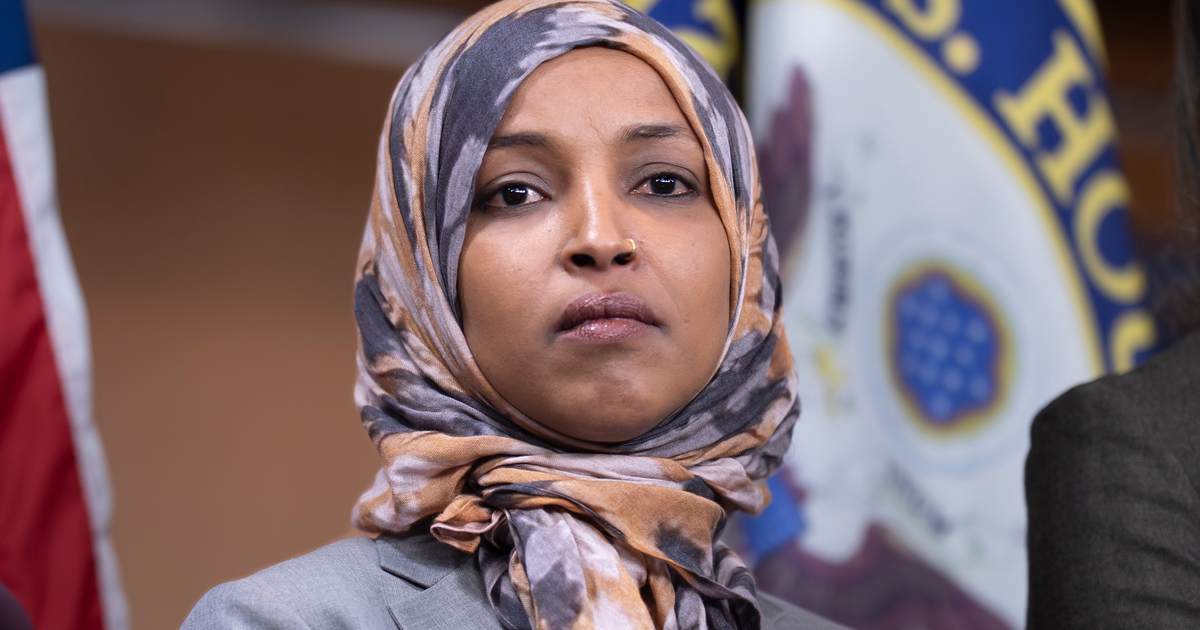
Federal Raid Targets Omar Amid Unresolved Name and Marriage Allegations
Agents searched Rep. Ilhan Omar's DC residence over immigration fraud allegations; she called it bizarre. Reports and commentary questioned her birth name and past marriage details.

Supreme Court Upholds New Hampshire Student ID Voting Ban
The Supreme Court upheld New Hampshire's ban on student IDs as valid voter identification just before midterms, affecting a tight Senate race.
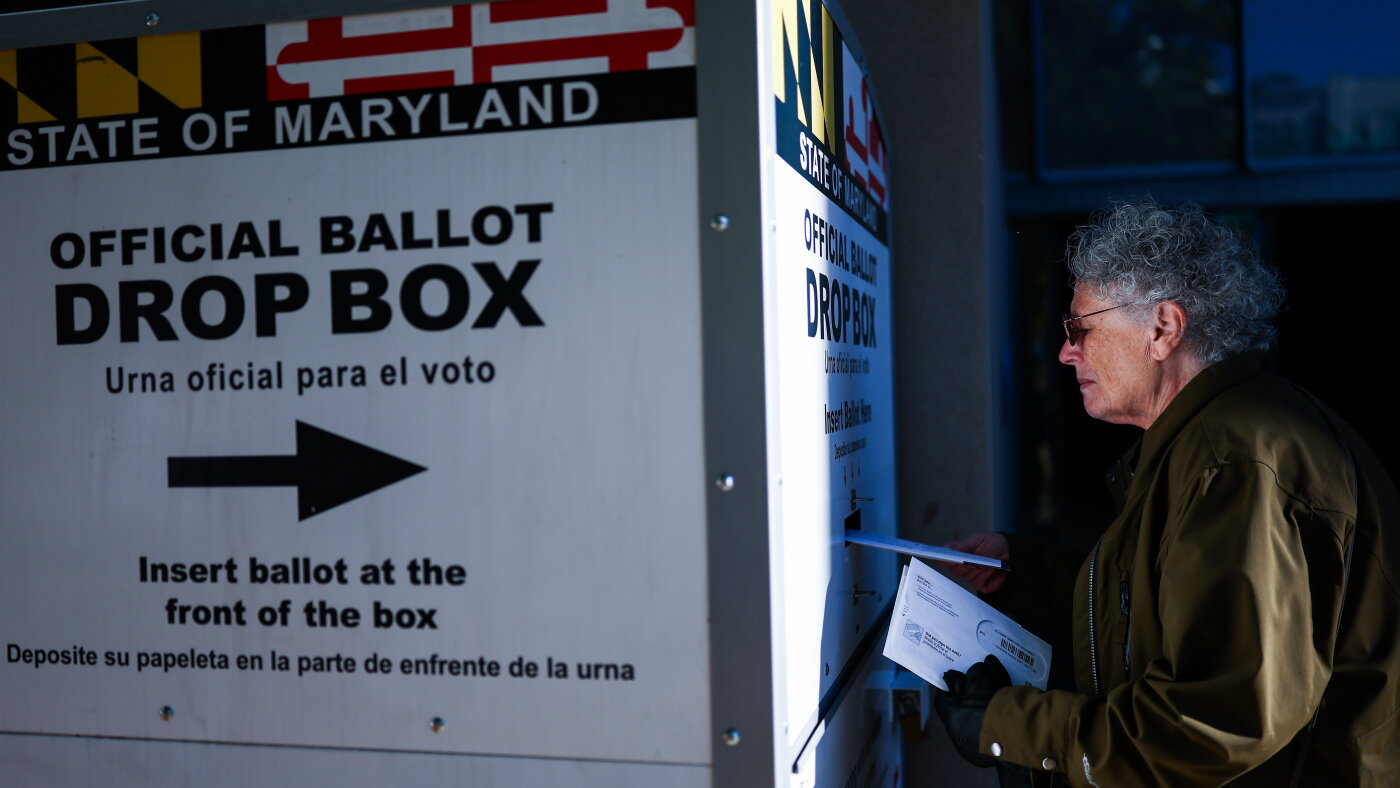
Early Voting Hits 21 Million as Most Trust Midterm Accuracy
Millions have already voted early as parties make final appeals amid $1.4 billion in ad spending; polls show confidence in election accuracy.
The Compass
You just read five takes on one story.
What's your take? Find your political shape in a few minutes.
Take the test