
Appeals Court Blocks Mail-Order Abortion Pills, Alito Grants Temporary Stay

Cover image from thedispatch.com, which was analyzed for this article
A unanimous appeals court blocked a Biden-era policy permitting mifepristone prescriptions without in-person doctor visits, creating confusion over access. Justice Alito stayed a related ruling. The decision aligns with ongoing state-level restrictions like Florida's ban.
PoliticalOS
Tuesday, May 5, 2026 — Politics
The mifepristone litigation is the latest example of post-Dobbs fragmentation in which federal drug regulation, state abortion limits and court stays collide, producing temporary access while the underlying FDA decisions remain under review. Medication abortion currently accounts for roughly 63 percent of U.S. procedures and remains available under Alito's one-week pause, yet providers and patients face unresolved questions about future rules, existing prescriptions and enforcement in restrictive states. The single most important reality is that no court has yet ruled on the merits of Louisiana's claim that the FDA acted without adequate safety data; that eventual decision, not any single stay, will determine long-term nationwide access.
What outlets missed
Most coverage omitted that Louisiana's suit centers on specific Administrative Procedure Act claims that the FDA lacked adequate data on risks when it eliminated the in-person visit in successive REMS modifications from 2016 onward. Outlets also underplayed the June 2024 Supreme Court precedent on standing, which dismissed a similar challenge by doctors but left room for states to sue on different grounds. The fact that the underlying merits of the FDA rules have not yet been fully adjudicated by any court received little attention, as did the Trump administration's request to pause all proceedings during its own safety review. Finally, national abortion totals have stayed stable near one million per year according to Guttmacher even as state-level swings and travel patterns intensified; this context for Florida's reported 25 percent in-state drop was rarely juxtaposed with the telehealth litigation.
The rising human cost of a fragmented abortion landscape
Two years after Florida’s six-week abortion ban took effect, new data illustrate a sharp rise in residents forced to leave the state for care, even as fresh federal court rulings on medication abortion create fresh uncertainty nationwide. Figures released by the Guttmacher Institute’s Monthly Abortion Provision Study show the number of Florida patients traveling out of state for abortions nearly tripled between 2023 and 2024, turning the state into one of the largest exporters of abortion seekers in the South. The pattern echoes the broader post-Dobbs reality in which access has become a patchwork of state laws, long drives, and legal whiplash that burdens patients and providers alike.
Florida’s law, which imposes criminal penalties on clinicians who provide abortions after six weeks of gestation with narrow exceptions, replaced a previous 15-week limit. The change did not reduce the number of people seeking abortions so much as redirect them. Many now cross state lines to Georgia, North Carolina or farther, adding logistical, financial and emotional costs at a time when many Southern states have also enacted strict limits. Guttmacher’s analysis indicates that Florida’s restrictions have ripple effects across the Southeast, where clinics in states with legal abortion report increased demand from out-of-state patients. Travel distances have grown, appointment wait times have lengthened, and the expense of transportation, lodging and lost wages has become prohibitive for many low-income patients.
This state-level squeeze coincides with renewed turbulence at the federal level over mifepristone, the medication used in more than half of U.S. abortions. On Friday the 5th U.S. Circuit Court of Appeals issued a ruling that would require the drug to be dispensed only in person, rolling back Biden-era rules that allowed certified pharmacies and telehealth providers to mail it. The decision immediately created confusion for clinicians and patients in states where abortion remains legal. Some telehealth services paused prescriptions. Others switched to alternative regimens. Pharmacies sought legal guidance. Providers described a climate of “whiplash and chaos” for time-sensitive medical decisions.
The Supreme Court stepped in on Monday, with Justice Samuel Alito issuing an administrative stay that temporarily preserves current access while the justices consider the underlying appeal. The one-week freeze prevents immediate disruption but does little to resolve the deeper instability. Legal observers note that the court could ultimately side with the 5th Circuit and restore in-person dispensing requirements, a move that would affect access even in blue states. The Trump administration has asked courts to pause litigation until the Food and Drug Administration completes a new safety review of the drug, which was first approved in 2000. That position has drawn criticism from both abortion-rights groups, who see it as prolonging uncertainty, and from anti-abortion advocates frustrated that the administration has not moved more aggressively to tighten rules.
The dueling rulings and shifting administrative positions reflect a Supreme Court that remains deeply divided on reproductive rights, much as it is on voting rights, race-conscious policies and other flashpoints. Public dissents in recent cases have grown sharper, revealing justices who, in the words of one member, are “stuck with one another whether we like it or not.” Those internal tensions translate into prolonged legal fights that leave patients and providers in limbo.
The cumulative effect is a reproductive-health system under strain. In Florida, the near tripling of out-of-state travel signals that bans do not eliminate demand; they displace it. In states where medication abortion had expanded access through telehealth, the latest court action threatens to reimpose barriers of distance and cost. Researchers have documented associated increases in later-term procedures among those who manage to obtain care, as well as cases in which patients are forced to carry pregnancies to term against their wishes.
Advocates on both sides see the current moment as politically consequential. With another election cycle underway, the litigation puts abortion back at the center of national debate. Anti-abortion groups argue that states should retain authority to regulate the procedure and that courts should not defer to prior FDA decisions they view as politically influenced. Abortion-rights organizations counter that the constant legal churn itself constitutes a burden, effectively creating a de facto barrier for people who cannot afford to navigate it.
For now, the one-week stay from the Supreme Court offers a brief reprieve, but it does not restore the relative stability that existed before Dobbs. Florida residents continue to pack suitcases for distant appointments. Providers in permissive states weigh whether to risk prescribing under rules that could change again within days. And patients, many of them already navigating economic pressure or health complications, are left to make urgent decisions inside a system that offers less predictability than it did just a few years ago. The data and the litigation point to the same conclusion: two years after the fall of Roe, the toll of restricted access keeps rising.
You just read Liberal's take. Want to read what actually happened?
More in Politics
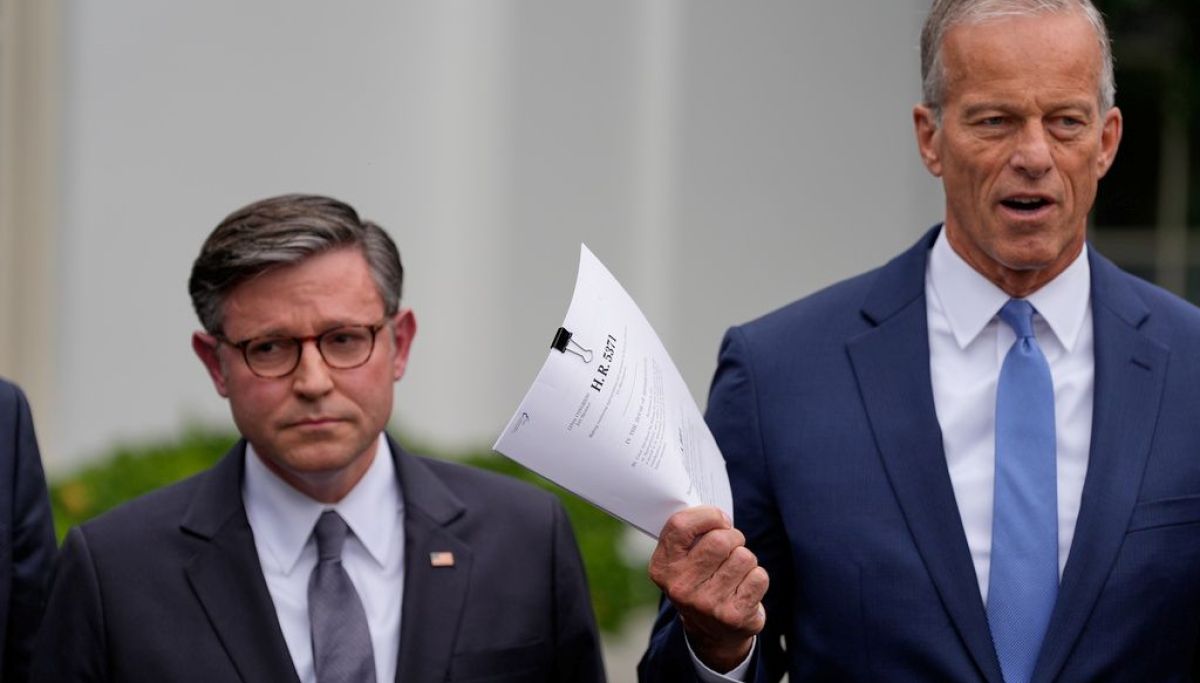
Trump at 32% Approval as Gas Prices Test GOP Midterm Hopes
NYT/Siena polling showed Trump's approval at historic lows around 32 percent with Democrats leading by double digits in key districts. Early voting has surged in battleground states.

Record Early Voting Hits Battlegrounds, Shifting Partisan Shares
AP analysis found hundreds of thousands more early ballots than in 2022 in states including Texas, Ohio, Kansas, Maine, and North Carolina, shifting partisan dynamics.
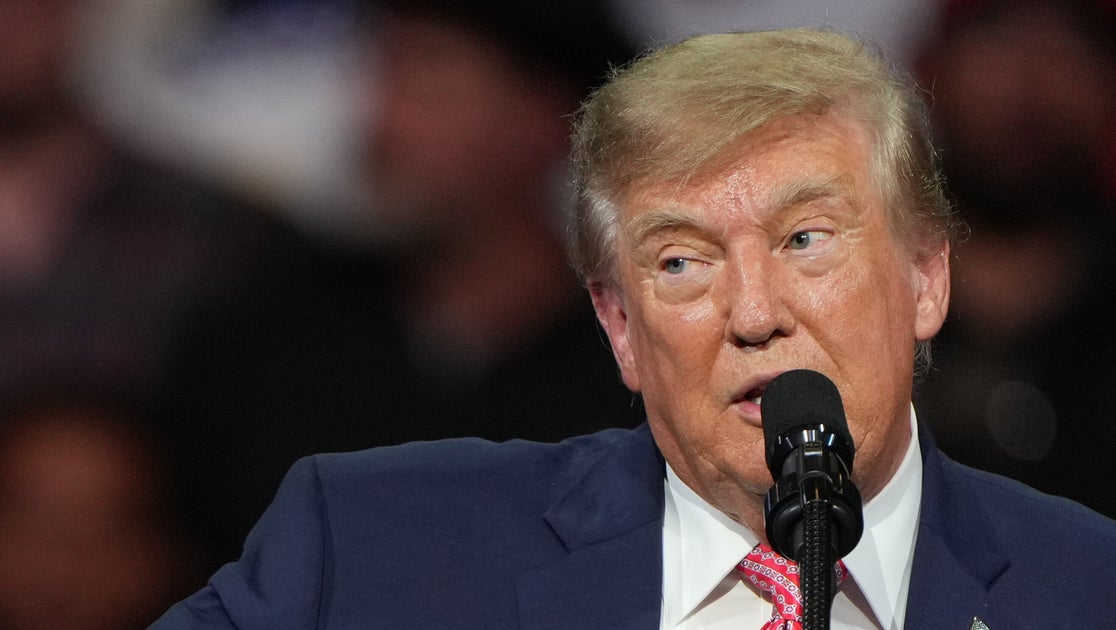
Trump Backs Marshall in Kansas Senate Race Tightened by Farm Costs
President Trump rallied in deep-red Kansas for GOP Sen. Roger Marshall in a competitive race, announcing an $8 billion farm fuel relief program amid high diesel prices. Democrats see an opening to end 94 years of GOP dominance in the state.

Trump Pauses Russia Sanctions Amid Ukraine Tensions and Missile Strikes
Trump waived sanctions on Russia and floated trilateral talks with Putin and Xi as part of ending the Ukraine war, while tensions rose with Zelenskyy over Starlink and arms. Bipartisan senators engaged Zelenskyy amid the shifts.
The Compass
You just read five takes on one story.
What's your take? Find your political shape in a few minutes.
Take the test