
Appeals Court Blocks Mail-Order Abortion Pills, Alito Grants Temporary Stay

Cover image from thedispatch.com, which was analyzed for this article
A unanimous appeals court blocked a Biden-era policy permitting mifepristone prescriptions without in-person doctor visits, creating confusion over access. Justice Alito stayed a related ruling. The decision aligns with ongoing state-level restrictions like Florida's ban.
PoliticalOS
Tuesday, May 5, 2026 — Politics
The mifepristone litigation is the latest example of post-Dobbs fragmentation in which federal drug regulation, state abortion limits and court stays collide, producing temporary access while the underlying FDA decisions remain under review. Medication abortion currently accounts for roughly 63 percent of U.S. procedures and remains available under Alito's one-week pause, yet providers and patients face unresolved questions about future rules, existing prescriptions and enforcement in restrictive states. The single most important reality is that no court has yet ruled on the merits of Louisiana's claim that the FDA acted without adequate safety data; that eventual decision, not any single stay, will determine long-term nationwide access.
What outlets missed
Most coverage omitted that Louisiana's suit centers on specific Administrative Procedure Act claims that the FDA lacked adequate data on risks when it eliminated the in-person visit in successive REMS modifications from 2016 onward. Outlets also underplayed the June 2024 Supreme Court precedent on standing, which dismissed a similar challenge by doctors but left room for states to sue on different grounds. The fact that the underlying merits of the FDA rules have not yet been fully adjudicated by any court received little attention, as did the Trump administration's request to pause all proceedings during its own safety review. Finally, national abortion totals have stayed stable near one million per year according to Guttmacher even as state-level swings and travel patterns intensified; this context for Florida's reported 25 percent in-state drop was rarely juxtaposed with the telehealth litigation.
Abortion Restrictions Deepen Chaos and Hardship Across the South
As Florida marks nearly two years under its extreme six-week abortion ban, new data lays bare the human toll of a policy that has upended reproductive health care for thousands of women across the Southeast. According to the Guttmacher Institute’s latest Monthly Abortion Provision Study, the number of Florida residents forced to travel out of state for abortion care nearly tripled between 2023 and 2024. What was once a service available up to 15 weeks of gestation is now largely inaccessible at home, turning Florida into one of the top three states driving a surge in interstate abortion travel. The consequences extend far beyond state lines, burdening clinics in states with fewer restrictions and leaving many low-income patients, women of color, and those in rural areas to navigate costly, logistically nightmarish journeys at a moment of profound personal crisis.
The six-week ban, signed into law with limited exceptions that are narrow and poorly defined, took effect in the wake of the Supreme Court’s 2022 Dobbs decision. That ruling eliminated the constitutional right to abortion and handed the issue back to the states, triggering a cascade of bans and restrictions. Florida’s law has been particularly devastating in the South, a region already dotted with states that have enacted near-total prohibitions. Patients from Alabama, Mississippi, and Georgia who once might have sought care in Florida now join Florida residents in long-distance travel, overwhelming providers in North Carolina, Virginia, and even Illinois. Stories emerging from clinics paint a picture of desperation: women driving hundreds of miles while experiencing pregnancy symptoms, scraping together money for gas, lodging, and procedure costs, all while fearing complications that cannot be easily addressed at home.
This reality is not abstract. It is the direct result of deliberate policymaking by Republican-led legislatures that prioritized ideological goals over public health. Before the ban, Florida performed tens of thousands of abortions annually. Now those numbers have plummeted inside the state, displaced rather than eliminated. The Guttmacher data confirms what reproductive health advocates warned would happen: people do not simply stop needing abortions because politicians pass bans. They go elsewhere, often later in pregnancy, which can involve more complex procedures. The rising travel figures also mask another grim statistic, the number of people who simply cannot make the trip and are forced to carry pregnancies to term against their will.
Compounding the state-level crisis is fresh legal turbulence at the federal level over medication abortion. Just days ago, the 5th U.S. Circuit Court of Appeals issued a ruling that would sharply restrict access to mifepristone, the first drug in the two-pill regimen used in more than half of all U.S. abortions. The decision effectively required the drug to be dispensed only in person, upending telehealth prescribing practices that had expanded during the pandemic and been protected by Biden-era Food and Drug Administration rules. Pharmacies, telehealth providers, and clinics reported immediate confusion. Some halted prescriptions altogether. Others scrambled to switch to alternative regimens. Patients already anxious about their options suddenly faced new uncertainty, even in states where abortion remains legal.
The Supreme Court stepped in temporarily, with Justice Samuel Alito issuing a brief stay that paused the 5th Circuit’s order for one week. The move prevents immediate implementation but does nothing to resolve the underlying chaos. Anti-abortion groups have openly criticized the Trump administration for not moving aggressively enough to reverse Biden’s policies on medication abortion, while reproductive rights organizations describe the litigation as the most significant disruption to access since Dobbs itself. The back-and-forth has produced exactly the “whiplash and chaos” that Planned Parenthood Action Fund president Alexis McGill Johnson warned about. Providers are left making time-sensitive medical decisions in an atmosphere of legal threat, and patients are once again treated as political pawns.
These developments expose deeper fractures inside the Supreme Court itself. The institution increasingly resembles a bitterly divided family, as Justice Amy Coney Barrett herself acknowledged in recent writings. On issues ranging from abortion and guns to voting rights and racial fairness, the six-justice conservative majority continues to push the law rightward while the three liberal justices issue increasingly sharp dissents. Last week’s voting rights ruling, which further weakened protections under the Voting Rights Act, drew a fierce rebuke from Justice Elena Kagan, who accused the majority of dismantling a landmark civil rights law. The same ideological fault lines run through every abortion case. Conservatives appear determined to restrict access wherever possible; liberals warn of the real-world harm to women’s autonomy and health.
The combined effect of state bans like Florida’s and federal litigation over medication abortion is a reproductive health landscape defined by instability and inequity. Wealthier patients can more easily arrange travel or find workarounds. Those without resources, transportation, or paid leave face stark choices. Medical professionals report higher rates of patients presenting later, with more advanced pregnancies, precisely the outcome critics of the six-week ban predicted. In the Southeast, where poverty rates are higher and clinic deserts more common, the burden falls disproportionately on Black and Brown communities already navigating systemic obstacles to health care.
Nearly four years after Dobbs, the promise that abortion would return to the democratic process has instead produced a patchwork of cruelty and confusion. Florida’s experience shows the human price of that experiment. New Guttmacher numbers quantify what was always foreseeable: bans do not end abortions, they simply force people into more difficult, more expensive, and sometimes more dangerous paths. As courts continue to issue conflicting rulings and the Supreme Court’s conservative bloc shows no sign of moderating, the chaos is likely to deepen. For thousands of women in Florida and across the South, the constitutional right that once offered protection has been replaced by a gauntlet of travel, uncertainty, and delay. The data now make clear how many are being forced to run it.
You just read Progressive's take. Want to read what actually happened?
More in Politics

Trump Defends Ramaswamy Ad Using Estranged Mother in Ohio Race
President Trump defended a GOP nominee's ad featuring a Democratic opponent's estranged mother, calling it powerful, while drawing criticism from some Republicans including Ohio Gov. Mike DeWine. The ad has sparked internal GOP tensions ahead of midterms.
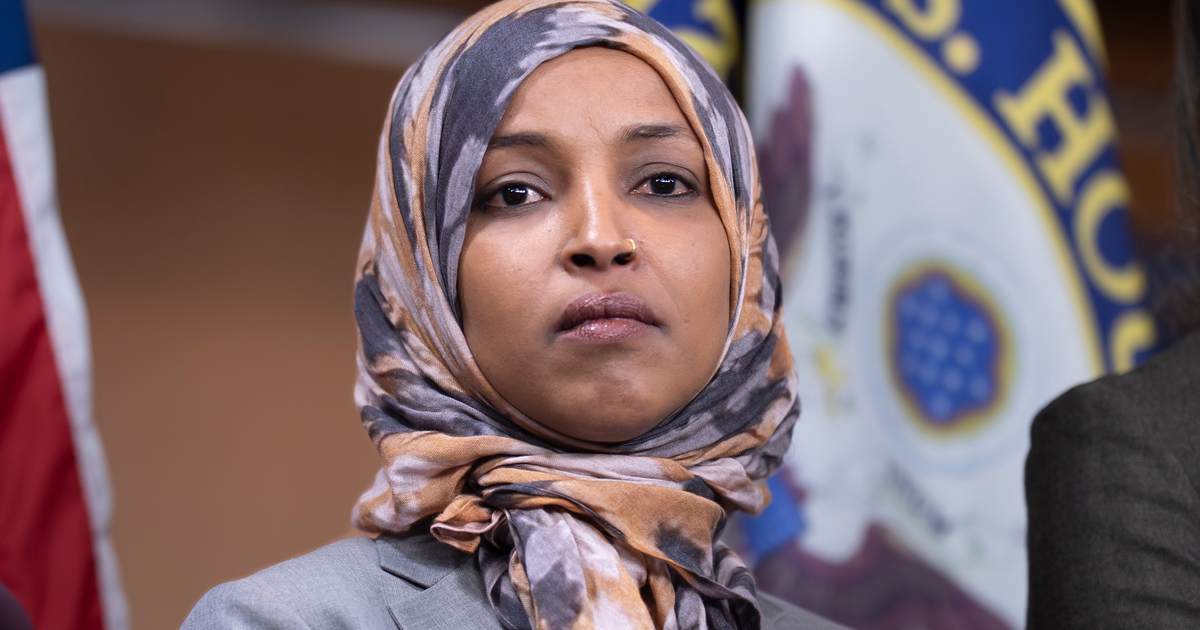
Federal Raid Targets Omar Amid Unresolved Name and Marriage Allegations
Agents searched Rep. Ilhan Omar's DC residence over immigration fraud allegations; she called it bizarre. Reports and commentary questioned her birth name and past marriage details.

Supreme Court Upholds New Hampshire Student ID Voting Ban
The Supreme Court upheld New Hampshire's ban on student IDs as valid voter identification just before midterms, affecting a tight Senate race.
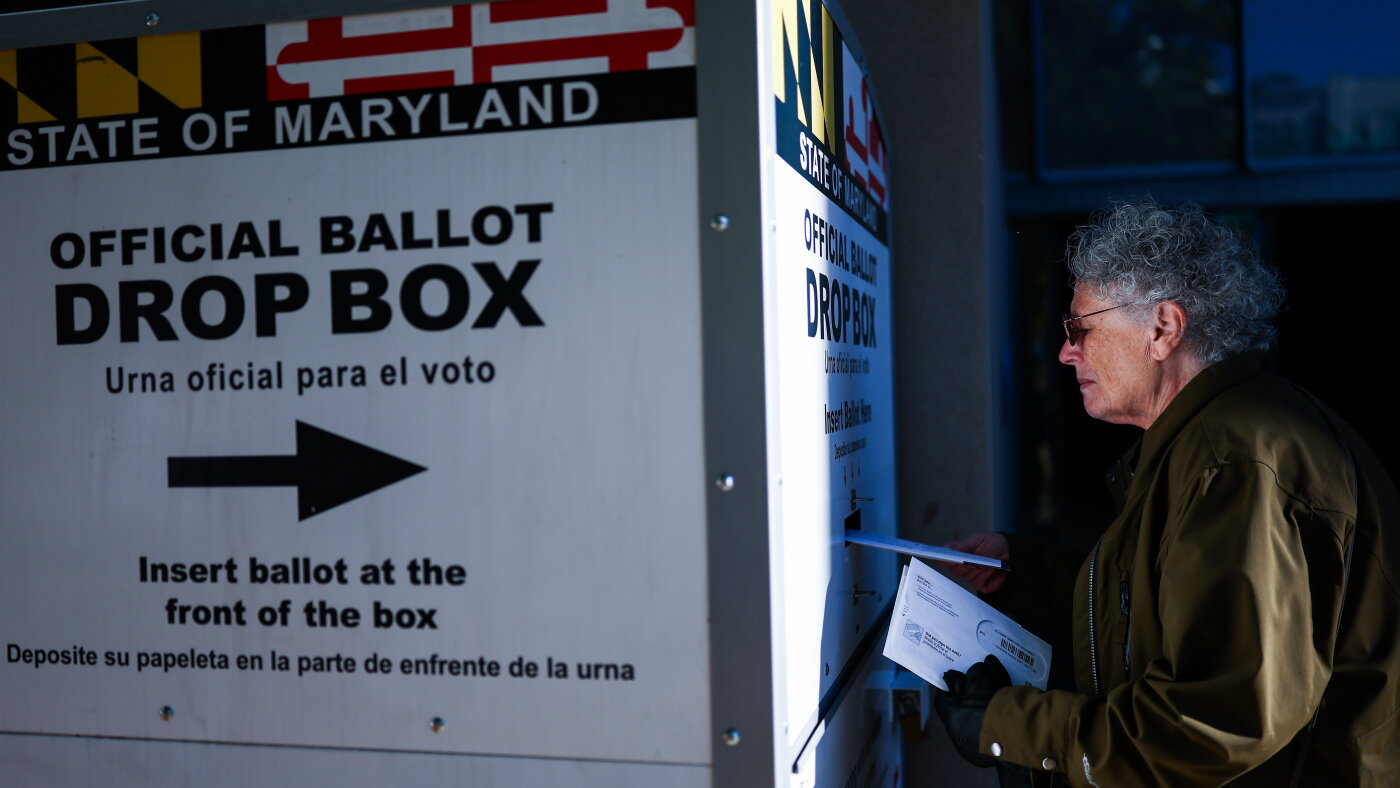
Early Voting Hits 21 Million as Most Trust Midterm Accuracy
Millions have already voted early as parties make final appeals amid $1.4 billion in ad spending; polls show confidence in election accuracy.
The Compass
You just read five takes on one story.
What's your take? Find your political shape in a few minutes.
Take the test