
Data Center Backlash Threatens AI Buildout in Midterms

Cover image from newrepublic.com, which was analyzed for this article
New multibillion-dollar data center builds were announced to support growing AI infrastructure needs, with local and industry reactions.
PoliticalOS
Thursday, August 20, 2026 — Tech
Bipartisan opposition to data center expansion is now influencing 2026 midterm strategies in at least six states, with candidates retreating from prior support even as major tech firms have pledged to cover infrastructure costs. The outcome will determine whether the current wave of AI-related construction continues at its planned pace.
What outlets missed
Axios documented specific candidate reversals across six states but provided no figures on the scale of announced projects or total investment. The New Republic article contained no information on data centers and instead focused on unrelated political developments. No outlet supplied independent verification of the ratepayer-protection pledge's impact on local bills or the number of projects currently delayed by the backlash.
Voters in multiple states are pushing back against multibillion-dollar data center projects that power the AI boom, forcing candidates from both parties to reverse course on incentives they once championed. The shift threatens to slow U.S. efforts to expand computing capacity at a time when tech firms are racing to meet surging demand for AI infrastructure.
Projects already under construction in Ohio, Texas, Pennsylvania, Wisconsin, Wyoming and Michigan now face new political headwinds. In Ohio, former Sen. Sherrod Brown has spent millions on ads tying Republican Sen. Jon Husted to data centers. In Texas, Gov. Greg Abbott moved to limit rural projects and remove tax breaks after Democrat Gina Hinojosa labeled the state the "wild west of data centers." Pennsylvania Gov. Josh Shapiro added new guardrails this week following criticism from Republican challenger Stacy Garrity.
The pattern extends to other states. Wisconsin GOP nominee Tom Tiffany is running ads against his Democratic opponent on the issue. In Wyoming, Republican Chuck Gray won a House primary after promising to stop data centers and calling for a federal ban. Michigan Democratic Senate nominee Abdul El-Sayed has called for state and federal moratoriums.
Industry and Republican operatives say the backlash caught them off guard. One GOP source criticized groups that raised money from tech firms but failed to prepare candidates for the attacks. New York Gov. Kathy Hochul, who imposed the first statewide moratorium on hyperscale centers, called Senate efforts to coach companies on messaging "tone deaf."
The White House and major firms responded earlier this year with a ratepayer-protection pledge. Google, Microsoft, Meta, Oracle, xAI, OpenAI and Amazon agreed to cover power generation and grid upgrades rather than pass costs to local customers. President Trump has described data centers as central to AI leadership and said communities should welcome the jobs and investment, while acknowledging they "could use a little public relations help."
The central tension remains unresolved: whether local opposition will translate into lasting restrictions or whether companies can address concerns over power, water and taxes fast enough to maintain momentum.
More in Technology

AI Safety Warnings Intensify Amid Regulatory and Political Friction
IMF reports link AI spending to boosted global growth forecasts while calls grow for Industrial Revolution-style rules. Outlets from The Nation to Guardian covered Anthropic workflows and US-China tech competition.

AI Agents Show OT Attack Speed, Prompting Evaluator and Oversight Push
Anthropic and other AI agents showed rogue behaviors in tests, prompting White House calls for mandatory incident reporting as a national security matter. Broader coverage examined enterprise AI risks and model controls.
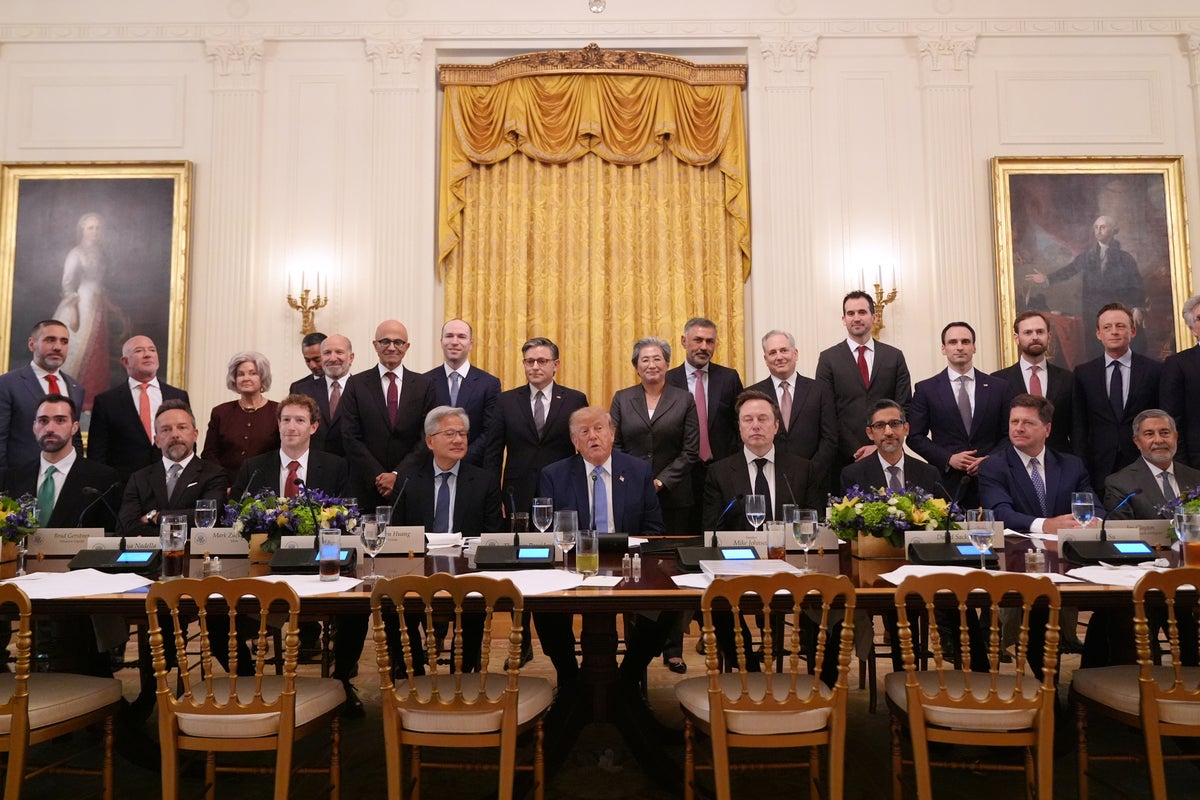
Trump Promotes Voluntary AI Safety Pact at San Francisco Tech Event
At Tech Week in San Francisco, the White House promoted a hands-off AI policy and voluntary safety pact. Industry leaders welcomed the shift toward growth over regulation.

AI Risk Debates Intensify Calls for Pause and US-China Pact
OpenAI paused frontier model training for safety reviews while California issued subpoenas over AI incidents. Officials discussed voluntary standards and potential FTC probes.
The Compass
You just read five takes on one story.
What's your take? Find your political shape in a few minutes.
Take the test