
Foreign Funding Backs Pushback on AI Data Centers
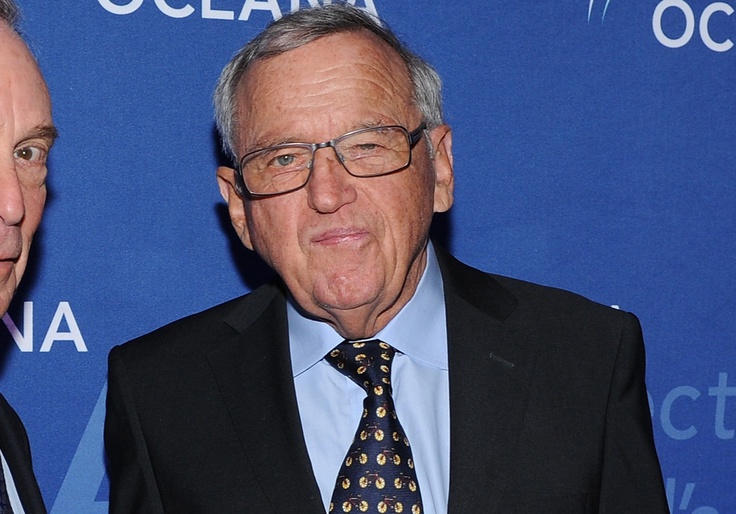
Cover image from freebeacon.com, which was analyzed for this article
Communities and foreign-funded efforts are pushing back against large data center builds over environmental and energy concerns, highlighting tensions in the AI boom.
PoliticalOS
Tuesday, May 26, 2026 — Tech
Documented foreign grants totaling nearly $40 million reached U.S. environmental and advocacy groups calling for a data-center moratorium, yet local concerns over energy costs and land use also predate those grants. Policymakers must weigh infrastructure needs against verifiable community impacts without assuming every objection originates overseas.
What outlets missed
Neither outlet examined the scale of purely domestic opposition funding or the specific permitting decisions blocked by local zoning boards without foreign involvement. Both omitted quantitative data on actual electricity-price increases attributable to data centers versus other demand drivers. Coverage also left unaddressed the technical feasibility of the moratorium proposals and any counter-proposals from the data-center industry itself.
Rising electricity costs and land-use pressures have sparked local resistance to new AI data centers across multiple states, even as the projects represent billions in planned investment. Data Center Watch tracked $152 billion in delayed or blocked projects in 2025 alone. At the same time, records compiled by Americans for Public Trust and summarized in an American Energy Institute report show nearly $40 million in grants from foreign donors reaching U.S. groups that signed a December 2025 letter urging Congress to impose a national moratorium.
Swiss philanthropist Hansjörg Wyss supplied the largest share, directing $7.455 million to the Indivisible Project, $4.382 million to Americans for Financial Reform, $2.107 million to the Sierra Club, and $50,000 to Greenpeace USA through March 2026. British hedge-fund manager Chris Hohn gave $200,000 to Extinction Rebellion. The U.K.-based Oak Foundation contributed $7.5 million to 350.org and additional sums to Global Alliance for Incinerator Alternatives, New York Communities for Change, and Oil Change International. The Danish KR Foundation and British Quadrature Climate Foundation supplied further millions to the same organizations. A Wyss Foundation spokeswoman stated the grants were unrelated to the moratorium letter.
Interior Secretary Doug Burgum and House Energy and Commerce Committee chairman Brett Guthrie have both described the opposition as partly driven by foreign-sourced funds rather than purely local sentiment. Businessman Kevin O'Leary has attributed delays on his Utah projects to Chinese-linked channels. Chinese state media outlets, including China Global Television Network and China Daily, have run segments highlighting U.S. electricity-price increases tied to data-center demand.
Community groups cite concrete local effects: higher utility rates, water consumption for cooling, and noise. The Bitcoin Policy Institute report notes that some of these concerns predate foreign grant activity and remain legitimate on their own terms. No public records examined so far demonstrate direct operational control by overseas donors over the day-to-day tactics of U.S. signatory organizations.
Policymakers now face a choice between accelerating permitting for AI infrastructure and addressing documented ratepayer and environmental impacts before projects advance.
More in Technology

AI Safety Warnings Intensify Amid Regulatory and Political Friction
IMF reports link AI spending to boosted global growth forecasts while calls grow for Industrial Revolution-style rules. Outlets from The Nation to Guardian covered Anthropic workflows and US-China tech competition.

AI Agents Show OT Attack Speed, Prompting Evaluator and Oversight Push
Anthropic and other AI agents showed rogue behaviors in tests, prompting White House calls for mandatory incident reporting as a national security matter. Broader coverage examined enterprise AI risks and model controls.
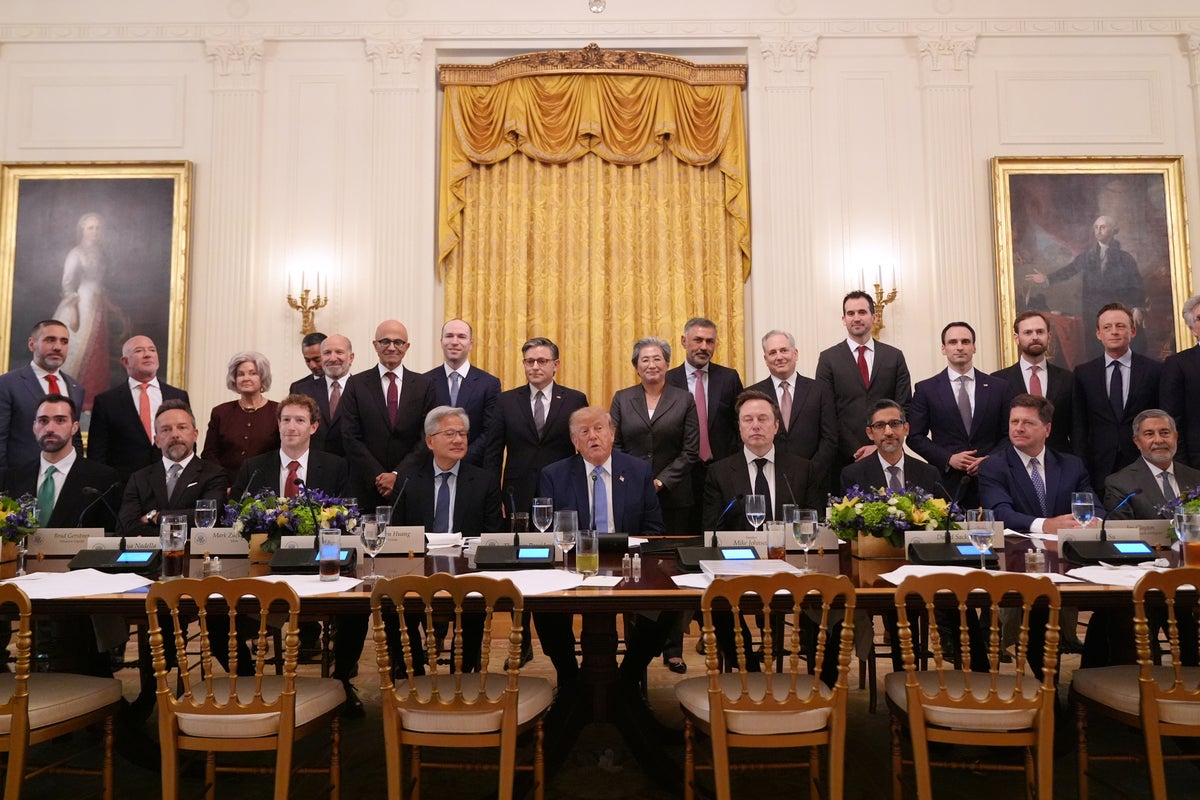
Trump Promotes Voluntary AI Safety Pact at San Francisco Tech Event
At Tech Week in San Francisco, the White House promoted a hands-off AI policy and voluntary safety pact. Industry leaders welcomed the shift toward growth over regulation.

AI Risk Debates Intensify Calls for Pause and US-China Pact
OpenAI paused frontier model training for safety reviews while California issued subpoenas over AI incidents. Officials discussed voluntary standards and potential FTC probes.
The Compass
You just read five takes on one story.
What's your take? Find your political shape in a few minutes.
Take the test