
Data Center Opposition Tests AI Ambitions in Midterms

Cover image from nypost.com, which was analyzed for this article
Opposition to AI data centers over rising electricity costs, water use, and environmental concerns is emerging as a key issue in battleground states. Candidates from both parties are campaigning against them, with some governors imposing restrictions. Related AI policy debates include bipartisan signals on infrastructure and China competition.
PoliticalOS
Sunday, August 23, 2026 — Politics
Local opposition rooted in electricity and water costs has prompted candidates across parties to distance themselves from data-center projects, even as national-security arguments for AI expansion continue. The tension between these pressures remains unresolved in the absence of data showing electoral consequences.
What outlets missed
No outlet supplied independent verification that data-center ads have altered polling averages or fundraising totals in the listed states. Concrete figures on electricity rate increases or water drawdowns tied to specific projects were absent from all coverage. Details on the Bloomberg analysis cited by Fetterman, including the exact narrowing of the U.S. lead over China in model deployment, received no further sourcing. State-level restrictions already enacted in Pennsylvania and Texas were mentioned only in passing rather than examined for their permitting or tax effects.
Voters in battleground states face higher electricity bills and strained water supplies as data centers expand to power artificial intelligence systems. Local resistance has turned the facilities into a campaign issue, with candidates in both parties running ads that tie opponents to rising utility costs and land use changes.
Gallup polling from March 2026 found 71 percent of Americans opposed new data centers near their homes, citing electricity and water consumption along with environmental effects. An Annenberg Public Policy Center survey showed opposition to local projects rose 12 points from February to summer. These figures align with ads in Texas, Ohio, Michigan, Wisconsin and Pennsylvania that blame data centers for higher rates or accuse incumbents of favoring tax breaks for the projects.
President Trump has urged governors to accept the facilities, noting construction jobs and tax revenue while signing an executive order in July to speed permitting. He described the industry as potentially larger than the internet and called for regulation that preserves U.S. leadership. Sen. John Fetterman, D-Pa., echoed that view on social media, writing that "AI supremacy and energy dominance underpins our national security" and that China benefits from U.S. "overreaction" to data-center concerns. He labeled a proposed moratorium "China First."
Republican candidates have adjusted. In Michigan, Senate hopeful Mike Rogers backed a one-year pause. Florida gubernatorial nominee Byron Donalds spent more than $2 million on an ad pledging to protect the state from rate increases. Wisconsin Rep. Tom Tiffany shifted from calling the technology "exciting" to seeking repeal of tax incentives. Democratic challengers including Sherrod Brown in Ohio and James Talarico in Texas have made the issue central to their messaging.
Governors have responded with new rules. Pennsylvania Gov. Josh Shapiro issued an executive order for what he termed the "strictest guardrails in the nation." Texas Gov. Greg Abbott directed the utility commission to audit pending permits and ended some tax incentives. The National Republican Senatorial Committee warned in an internal memo that data-center politics threatened Sen. Jon Husted in Ohio.
Separate surveillance concerns have surfaced. Axios reported Democratic candidates attacking opponents over Flock license-plate cameras, with Sen. Bernie Sanders posting against mass AI surveillance. No independent data yet measures how these positions have shifted vote margins or fundraising totals in the cited races.
More in Politics

Federal Agents Search Omar Home in Ongoing Immigration Probe
Homeland Security agents searched the Minnesota Democrat's DC residence in a criminal probe, prompting accusations of political intimidation from Omar and Democratic leaders. Coverage spans left-leaning outlets like NPR, BBC, and The Guardian alongside right-leaning criticism from The Federalist and Daily Wire.

Trump Diesel Import Plan Draws Pushback Over Russia Ties
The weekend agreement drew bipartisan congressional pushback and criticism from Ukraine's Zelenskyy, with analysts downplaying US fuel price impacts. Right-leaning outlets like National Review, Dispatch, and Washington Examiner questioned its legality and effectiveness.

Independents Test Voter Appetite for Middle Ground in 2026 Midterms
Nearly 200 independents are running in competitive races as voters weigh ballot measures on housing costs in states like Massachusetts. Left-leaning coverage from NYT, NPR, and Guardian highlights turnout and key races while right outlets focus on GOP strategy.
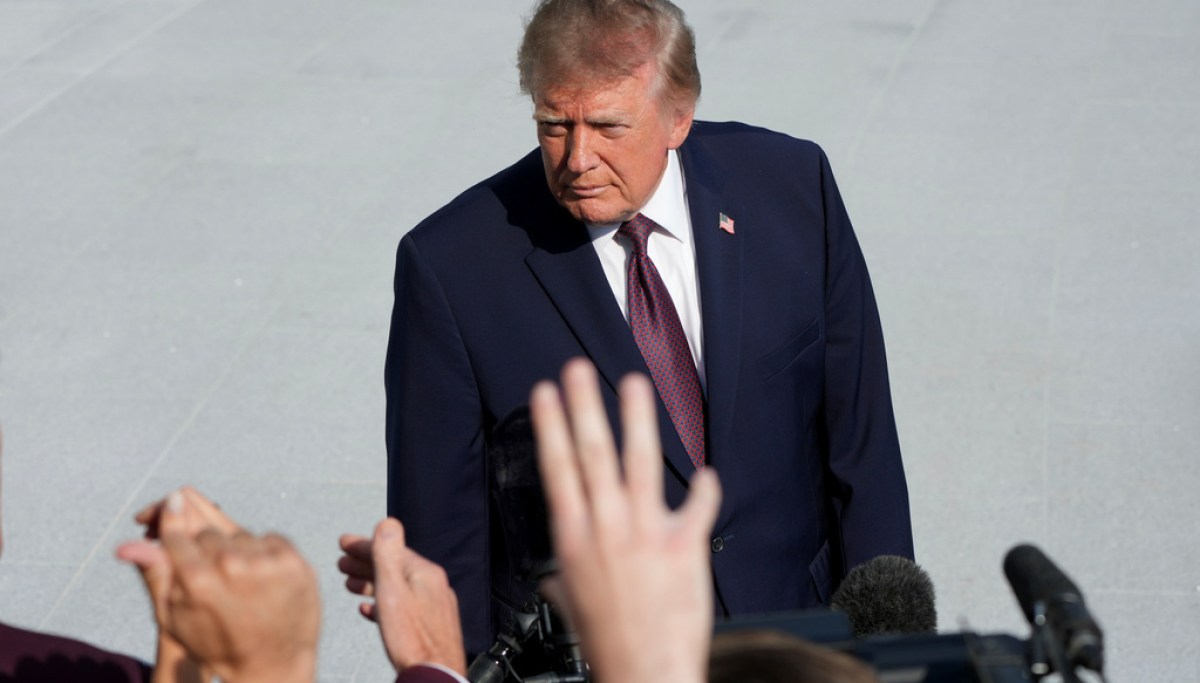
Trump Rallies in Alaska, Ohio to Bolster GOP Senate Candidates
The president rallied in Wasilla for Sen. Dan Sullivan and faced empty seats at an Ohio event amid midterm concerns. Outlets across the spectrum covered the trips as signals of GOP vulnerability weeks before Election Day.
The Compass
You just read five takes on one story.
What's your take? Find your political shape in a few minutes.
Take the test