
House Panel Advances Permanent Daylight Saving Time Bill

Cover image from nypost.com, which was analyzed for this article
Congress advanced legislation to end twice-yearly clock changes, with President Trump voicing strong support for making daylight saving time permanent. The measure has bipartisan backing in some quarters.
PoliticalOS
Friday, May 22, 2026 — Politics
The House committee has moved a bill that would end biannual clock changes by making daylight saving time permanent, yet the measure still faces full congressional votes and divides opinion over winter sunrises. Public desire to stop switching clocks is clear, but the preferred replacement remains contested.
What outlets missed
Most coverage omitted the specific AP-NORC poll margins showing 56 percent favor permanent daylight saving time versus 42 percent for standard time. Few noted that 19 states have already enacted conditional laws for year-round daylight saving time or that health studies favor permanent standard time on safety grounds. Outlets also underplayed the bill’s attachment to the Motor Vehicle Modernization Act and the exact bipartisan cosponsor counts in both chambers.
House Committee Advances Bill to End Twice-Yearly Clock Changes
A House panel voted overwhelmingly Thursday to advance legislation that would end the biannual ritual of adjusting clocks by making daylight saving time permanent across most of the country. The Energy and Commerce Committee approved the measure 48-1 as part of a broader transportation bill, reviving an idea that has surfaced repeatedly in Congress without final passage.
President Trump hailed the step on social media, calling the twice-yearly clock shifts a needless expense that drains hundreds of millions of dollars from households, cities and states each year. He noted the practical burdens of reaching clocks in towers and using heavy equipment for the task, describing the process as ridiculous and unproductive. Trump argued that keeping daylight saving time year-round would deliver longer evenings without the disruptions of springing forward and falling back.
The Sunshine Protection Act, sponsored by Representative Vern Buchanan of Florida, has been introduced annually since 2018. Supporters point to reduced sleep disturbances, fewer workplace injuries and lower rates of car crashes as potential gains from eliminating the time shift. They also contend that brighter winter evenings could encourage additional shopping, recreation and other economic activity. Florida officials have long favored the change for its benefits to outdoor sports and tourism.
The bill includes a provision allowing states to opt out if they choose. Even so, the proposal faces resistance. Senator Tom Cotton has warned that permanent daylight saving time would produce late sunrises in northern states during winter, forcing many children to travel to school in darkness. Cotton and others argue that standard time better aligns morning light with daily routines in colder months.
Congress came close to action before. The Senate approved a similar measure unanimously in 2022, yet the House never brought it to a vote. The current version is expected to move to the full House next, after which the Senate would need to consider it again.
Critics of frequent government rules often note that small mandates accumulate real costs over time. Changing clocks twice a year fits that pattern: it requires coordination across businesses, schools and infrastructure with little offsetting public gain. Data from prior time shifts show measurable spikes in accidents and health complaints in the days immediately following each adjustment. Removing the requirement would free resources for more productive uses without creating new regulatory layers.
Advocates on both sides agree that the current system imposes measurable frictions on daily life. The committee vote signals renewed momentum, though final enactment still depends on navigating the full legislative process and addressing regional differences in sunrise patterns.
You just read Conservative's take. Want to read what actually happened?
More in Politics
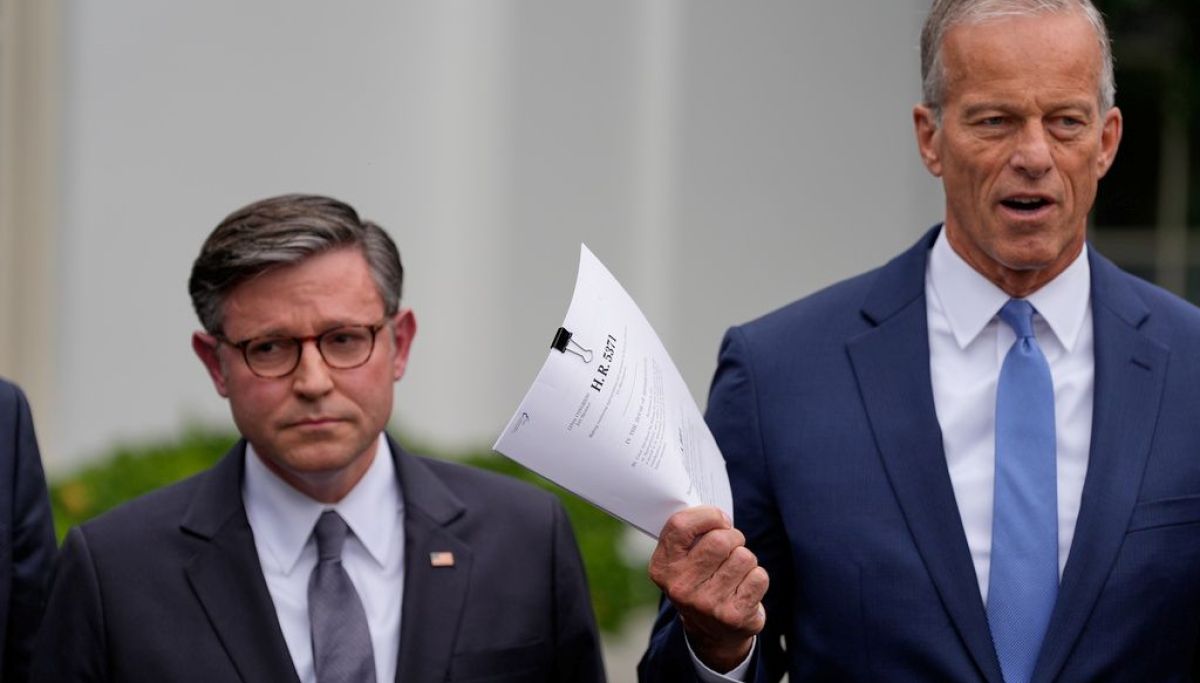
Trump at 32% Approval as Gas Prices Test GOP Midterm Hopes
NYT/Siena polling showed Trump's approval at historic lows around 32 percent with Democrats leading by double digits in key districts. Early voting has surged in battleground states.

Record Early Voting Hits Battlegrounds, Shifting Partisan Shares
AP analysis found hundreds of thousands more early ballots than in 2022 in states including Texas, Ohio, Kansas, Maine, and North Carolina, shifting partisan dynamics.
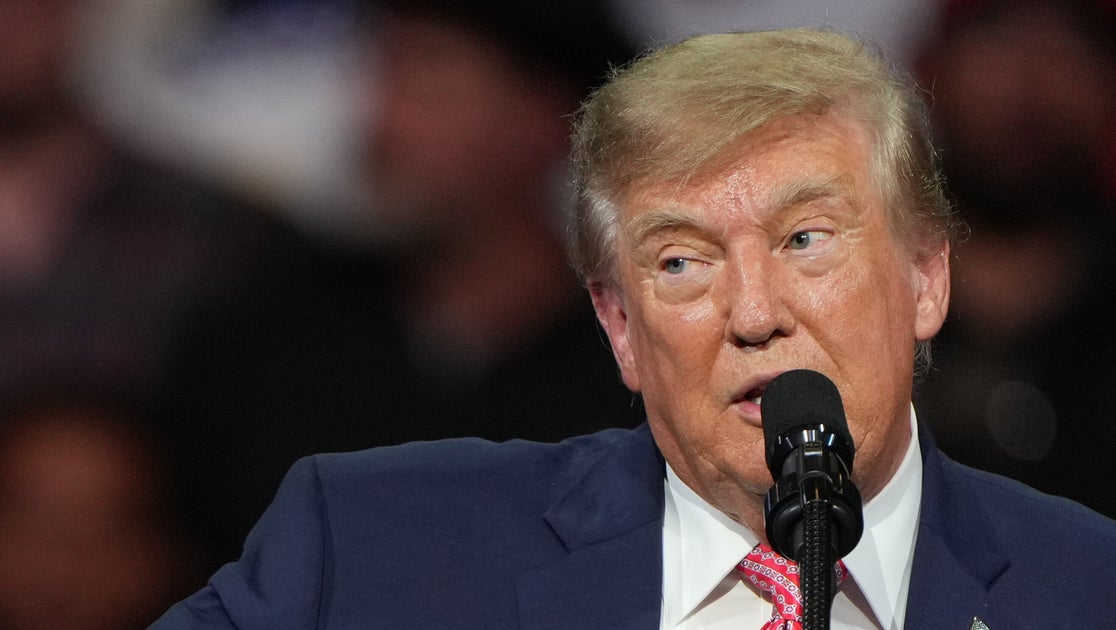
Trump Backs Marshall in Kansas Senate Race Tightened by Farm Costs
President Trump rallied in deep-red Kansas for GOP Sen. Roger Marshall in a competitive race, announcing an $8 billion farm fuel relief program amid high diesel prices. Democrats see an opening to end 94 years of GOP dominance in the state.

Trump Pauses Russia Sanctions Amid Ukraine Tensions and Missile Strikes
Trump waived sanctions on Russia and floated trilateral talks with Putin and Xi as part of ending the Ukraine war, while tensions rose with Zelenskyy over Starlink and arms. Bipartisan senators engaged Zelenskyy amid the shifts.
The Compass
You just read five takes on one story.
What's your take? Find your political shape in a few minutes.
Take the test