
Platner Scandals Test Democratic Tolerance Ahead of 2026

Cover image from nypost.com, which was analyzed for this article
Maine Senate hopeful Graham Platner and Texas candidate James Talarico face scrutiny over scandals and religious messaging as Democrats test messages for the midterms. Coverage spans both progressive and moderate wings.
PoliticalOS
Monday, June 1, 2026 — Politics
Platner's lead in Maine polling persists despite verified personal controversies and questions about his background claims. The race will show whether Democratic voters prioritize Senate control over past standards for candidate conduct. Limited cross-outlet verification leaves several details about the scale of the texting reports and the breadth of internal party criticism unconfirmed.
What outlets missed
Most outlets omitted the precise timeline of Platner's interim harbormaster appointment and the limited scope of the role documented in Sullivan town records. Few noted that only a small number of Select Board meetings featured Platner reports during his tenure. The articles also underplayed the campaign's clarification that Platner was disputing the number of women involved and the sourcing method rather than denying the messages outright. No outlet examined polling trends beyond the single University of New Hampshire survey or compared Platner's primary performance to other contested Democratic races.
Graham Platner Scandal Tests Democratic Party Standards
Graham Platner, the Democratic nominee for Senate in Maine, continues to face a series of revelations that have tested the willingness of party leaders to police their own candidates. The oyster farmer and veteran has seen his campaign advance despite reports of sexually explicit text messages sent to multiple women during his marriage, earlier online writings that downplayed sexual assault and contained racial slurs, and a tattoo of a symbol widely associated with Nazi ideology that he said he covered up only after entering politics.
Recent reporting has added questions about his description of his time as harbormaster in the small town of Sullivan. Town records show Platner held the largely clerical interim role for about 18 months before stepping down to run for Senate, a position local officials described as unnecessary for day-to-day harbor operations. Platner has portrayed the experience as evidence of his working-class credentials.
In a video released after the texting reports surfaced, Platner and his wife framed the coverage as an attempt by establishment outlets to distract from policy issues such as hospital and childcare access. His campaign has dismissed the stories as gossip while emphasizing material concerns facing Maine voters. Polling from the University of New Hampshire conducted in late May showed Platner leading his primary opponent by nine points before she withdrew, leaving him as the clear favorite to face Republican Senator Susan Collins in November.
Democratic reactions have been measured. Some prominent figures have expressed unease, yet the party has not mounted a concerted effort to sideline Platner. This restraint reflects the narrow path Democrats see to regaining Senate control, with Maine viewed as one of the more competitive opportunities on the map. The calculation echoes dynamics on the other side of the aisle, where Republican tolerance for Donald Trump’s legal and personal controversies has been justified by electoral success.
The episode highlights how candidate selection is increasingly driven by the imperative to capture or hold power rather than by consistent enforcement of personal conduct standards. Platner’s primary victory suggests that, at least in this contest, voters within the party have prioritized his policy positioning over the accumulating questions about his record. Whether that tolerance extends through the general election will depend in part on how the issues resonate with the broader Maine electorate and whether Republican attacks keep the controversies in the foreground.
You just read Liberal's take. Want to read what actually happened?
More in Politics
Trump at 32% Approval as Gas Prices Test GOP Midterm Hopes
NYT/Siena polling showed Trump's approval at historic lows around 32 percent with Democrats leading by double digits in key districts. Early voting has surged in battleground states.

Record Early Voting Hits Battlegrounds, Shifting Partisan Shares
AP analysis found hundreds of thousands more early ballots than in 2022 in states including Texas, Ohio, Kansas, Maine, and North Carolina, shifting partisan dynamics.
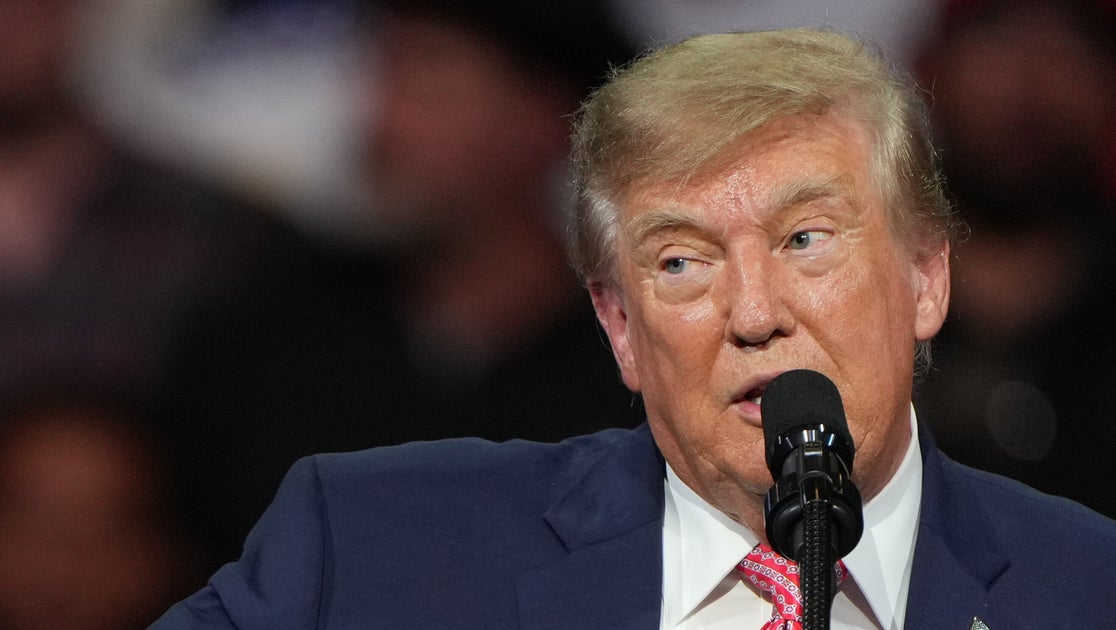
Trump Backs Marshall in Kansas Senate Race Tightened by Farm Costs
President Trump rallied in deep-red Kansas for GOP Sen. Roger Marshall in a competitive race, announcing an $8 billion farm fuel relief program amid high diesel prices. Democrats see an opening to end 94 years of GOP dominance in the state.

Trump Pauses Russia Sanctions Amid Ukraine Tensions and Missile Strikes
Trump waived sanctions on Russia and floated trilateral talks with Putin and Xi as part of ending the Ukraine war, while tensions rose with Zelenskyy over Starlink and arms. Bipartisan senators engaged Zelenskyy amid the shifts.
The Compass
You just read five takes on one story.
What's your take? Find your political shape in a few minutes.
Take the test