
Democrats' Senate Primaries Expose Party Divisions Ahead of Midterms

Cover image from npr.org, which was analyzed for this article
Democrats face Senate primary clashes in Michigan and debates over strategy ahead of midterms, including redistricting impacts.
PoliticalOS
Saturday, August 1, 2026 — Politics
Democrats must resolve competing visions of electability in Michigan and elsewhere if they are to achieve the four-seat net gain required for Senate control. The Michigan primary alone features more than $60 million in outside spending and endorsements from both progressive and moderate national figures. Similar pressure on long-shot candidates in Montana and South Dakota shows the same strategic debate playing out across multiple states.
What outlets missed
Aggregate outside spending totals above $60 million in the Michigan race were absent from the Politico and teaser coverage, leaving the scale of AIPAC activity without context. No outlet supplied recent FEC numbers showing one Montana independent outraising a Democratic rival by more than 30-to-1. Redistricting effects on 2026 maps and their interaction with these candidate choices received no examination despite their direct bearing on the four-seat target. The NPR teaser omitted all candidate backgrounds and state-specific stakes, while the longer NPR piece did not quantify total outside money or compare it to other 2026 contests.
Democrats enter the 2026 midterms needing a net gain of four Senate seats to reclaim the majority, yet internal clashes over candidate selection and strategy have intensified in key states. In Michigan, the August 4 primary pits Rep. Haley Stevens against Abdul El-Sayed for an open seat, with the outcome carrying national weight because the party must hold this battleground to have any path to control. Stevens, a four-term moderate who flipped a suburban district and served as chief of staff on the Obama auto bailout team, has secured endorsements from Gov. Gretchen Whitmer and retiring Sen. Gary Peters. El-Sayed, a former Detroit health director and 2018 gubernatorial candidate, draws support from Sen. Bernie Sanders and Rep. Alexandria Ocasio-Cortez while campaigning on Medicare for All and reduced corporate influence in politics. Outside spending has exceeded $60 million, much of it from AIPAC-affiliated groups backing Stevens and opposing El-Sayed's call to end U.S. military aid to Israel. Voters at campaign events describe the contest as a referendum on whether the party should prioritize broad suburban appeal or higher turnout among progressives and young people. Similar tensions appear in Montana and South Dakota, where long-shot Democratic candidates face public pressure from party strategists to withdraw in favor of better-funded independents. Third Way co-founder Matt Bennett warned that retaining such candidates could cost the Senate majority and turn them into "pariahs." One independent candidate responded that establishment figures seek to preserve the status quo. Republicans have sought to link the independents to Democratic policies on taxes and spending. Local Democrats in both states have also urged withdrawal, citing limited paths to victory. These primaries occur against a backdrop of post-2024 reflection, with some voters expressing frustration that neither factional approach has reversed recent losses.
More in Politics

Federal Agents Search Omar Home in Ongoing Immigration Probe
Homeland Security agents searched the Minnesota Democrat's DC residence in a criminal probe, prompting accusations of political intimidation from Omar and Democratic leaders. Coverage spans left-leaning outlets like NPR, BBC, and The Guardian alongside right-leaning criticism from The Federalist and Daily Wire.

Trump Diesel Import Plan Draws Pushback Over Russia Ties
The weekend agreement drew bipartisan congressional pushback and criticism from Ukraine's Zelenskyy, with analysts downplaying US fuel price impacts. Right-leaning outlets like National Review, Dispatch, and Washington Examiner questioned its legality and effectiveness.

Independents Test Voter Appetite for Middle Ground in 2026 Midterms
Nearly 200 independents are running in competitive races as voters weigh ballot measures on housing costs in states like Massachusetts. Left-leaning coverage from NYT, NPR, and Guardian highlights turnout and key races while right outlets focus on GOP strategy.
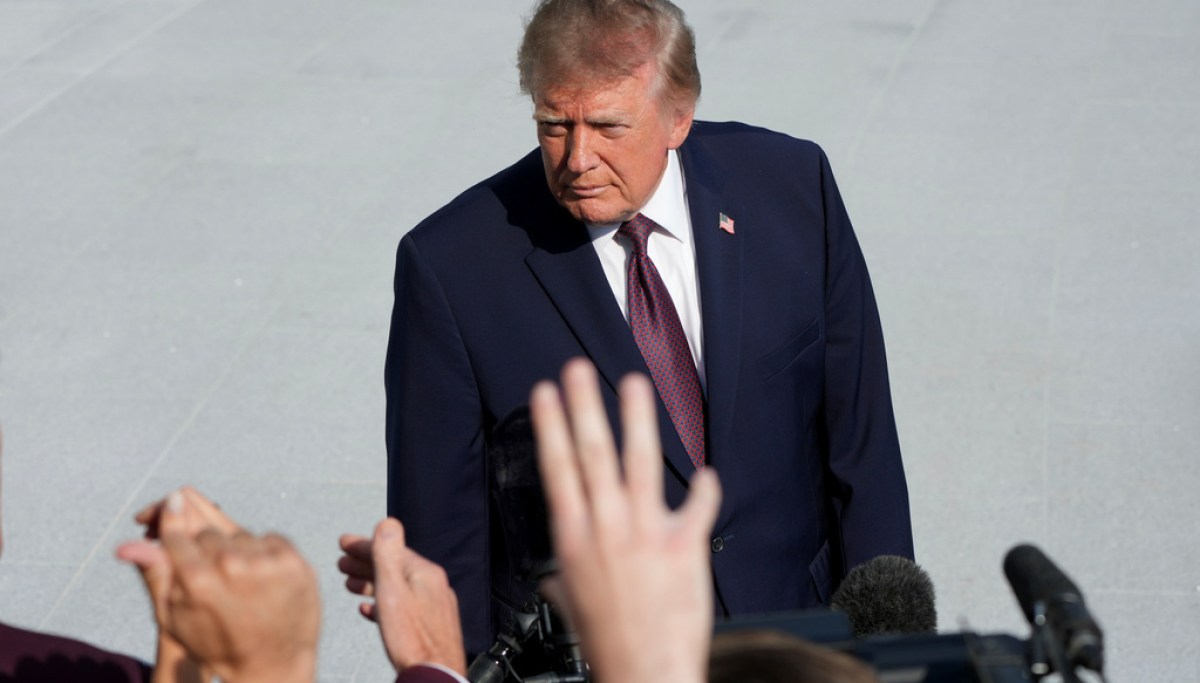
Trump Rallies in Alaska, Ohio to Bolster GOP Senate Candidates
The president rallied in Wasilla for Sen. Dan Sullivan and faced empty seats at an Ohio event amid midterm concerns. Outlets across the spectrum covered the trips as signals of GOP vulnerability weeks before Election Day.
The Compass
You just read five takes on one story.
What's your take? Find your political shape in a few minutes.
Take the test