
Democrats Weigh Senate Flips Amid Redistricting Losses and Trump Comments

Cover image from newrepublic.com, which was analyzed for this article
Party strategists assess prospects for flipping the Senate amid low Trump approval ratings. Internal debates continue over messaging and candidate recruitment.
PoliticalOS
Saturday, May 16, 2026 — Politics
Democrats confront concrete map losses in Virginia and internal divisions over tactics while Trump privately downplays midterm stakes. Success hinges on whether recruitment and messaging can overcome redistricting shifts before November.
What outlets missed
The Virginia Supreme Court opinion rested on a specific two-session requirement for constitutional amendments that was violated once early voting started, a procedural detail omitted from most commentary. No outlet provided state-by-state projections of how many additional House seats could shift under ongoing redistricting efforts beyond Virginia. Federal Election Commission rules prohibiting super PAC coordination with candidates received no mention, leaving readers without context for reported concerns over the $347 million in pro-Trump funds. The unrelated Supreme Court mifepristone ruling was included in one outlet despite having no bearing on midterm electoral mechanics.
Supreme Court Keeps Abortion Pill Access Open Despite Warnings From Thomas And Alito
The Supreme Court ruled this week that telehealth prescriptions for the abortion drug mifepristone can continue without new restrictions, a move that allows medication abortions to proceed in states with strict limits on the procedure. Justices Clarence Thomas and Samuel Alito dissented sharply, arguing the decision effectively sidesteps the 2022 Dobbs ruling that returned abortion policy to the states.
Alito described the outcome as part of a coordinated effort to maintain high levels of abortions through mail-order channels rather than surgical clinics. Data cited in the opinions shows that medication abortions now account for roughly two-thirds of procedures nationwide, with many residents in ban states receiving pills through remote consultations instead of traveling across state lines. Abortions overall have risen in the years since Dobbs, a trend Alito tied directly to expanded telehealth options.
Thomas went further in his dissent by pointing to the Comstock Act, a 1873 federal law still on the books that bars the mailing of drugs intended to produce abortion. He argued the provision applies squarely to mifepristone shipments and that companies profiting from those shipments should not receive court protection based on lost revenue from what he called a criminal enterprise. The law has not been actively enforced for decades, yet Thomas and Alito suggested it offers a clear statutory tool for future challenges.
Advocates for broader access described the ruling as a temporary reprieve while acknowledging the dissents signal ongoing legal pressure. They noted that without changes to federal statutes or new enforcement of older laws, remote abortion services are likely to expand in states where local statutes do not explicitly block them. Critics of the current regime, however, see the same pattern as deliberate circumvention of voter-approved limits passed after Dobbs.
The case reached the court after lower courts weighed challenges to Food and Drug Administration rules that eased access during the pandemic and afterward. Supporters of the rules framed them as necessary for rural and low-income patients, while opponents maintained the changes lowered safety standards for a drug that carries documented risks. The majority decision left those rules intact for now.
Thomas and Alito both warned that the broader fight over abortion policy is far from settled. Their opinions highlighted how reliance on the postal system and telehealth has shifted the practical landscape in ways the original Dobbs majority may not have fully anticipated. Lawmakers in several states have already begun drafting measures that could interact with the Comstock Act or impose new state-level mailing restrictions.
For millions of Americans who supported returning the issue to democratic processes, the ruling underscores that enforcement mechanisms remain unsettled. Future cases testing the mailing of abortion drugs or the scope of federal authority over state bans could reach the court again soon. The dissents serve as an early outline of arguments that could shape those disputes, focusing on existing statutes rather than new constitutional claims.
The decision leaves open questions about how aggressively federal agencies or state attorneys general will pursue enforcement under long-dormant provisions like Comstock. It also leaves providers of remote abortion services operating under continued legal uncertainty despite the immediate win on access.
You just read America First's take. Want to read what actually happened?
More in Politics

Trump Defends Ramaswamy Ad Using Estranged Mother in Ohio Race
President Trump defended a GOP nominee's ad featuring a Democratic opponent's estranged mother, calling it powerful, while drawing criticism from some Republicans including Ohio Gov. Mike DeWine. The ad has sparked internal GOP tensions ahead of midterms.
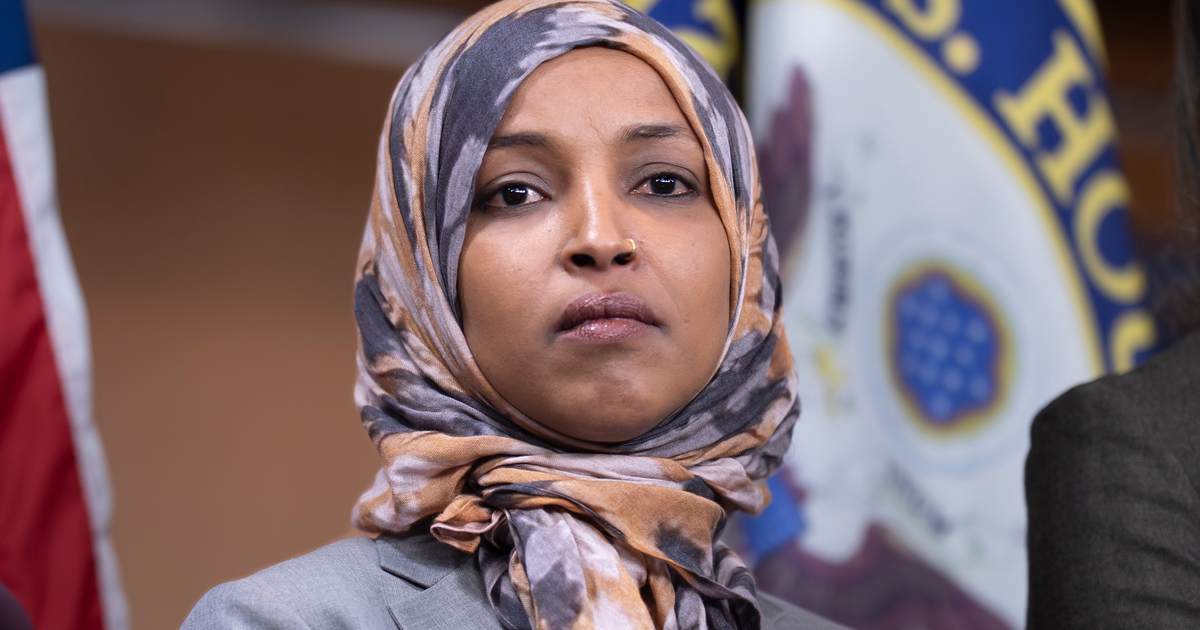
Federal Raid Targets Omar Amid Unresolved Name and Marriage Allegations
Agents searched Rep. Ilhan Omar's DC residence over immigration fraud allegations; she called it bizarre. Reports and commentary questioned her birth name and past marriage details.

Supreme Court Upholds New Hampshire Student ID Voting Ban
The Supreme Court upheld New Hampshire's ban on student IDs as valid voter identification just before midterms, affecting a tight Senate race.
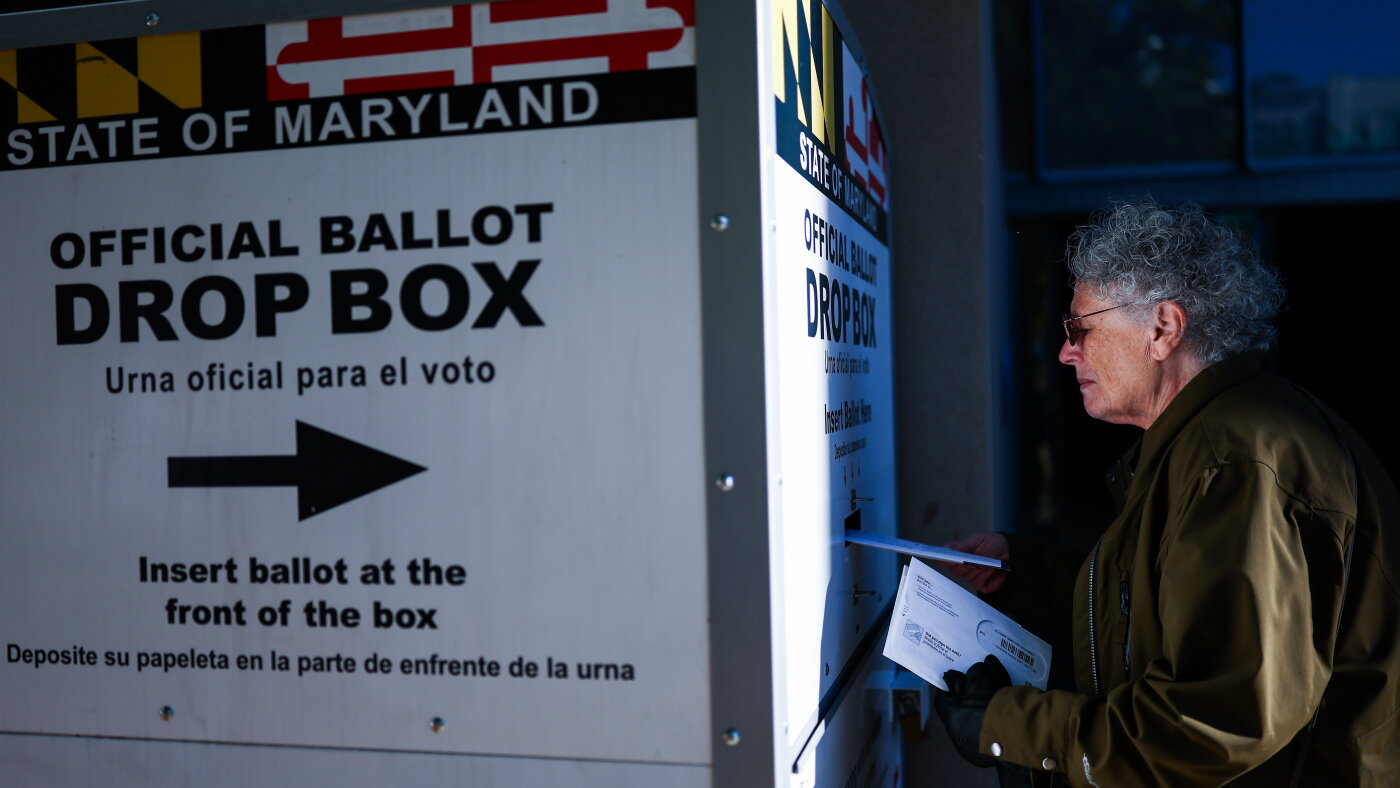
Early Voting Hits 21 Million as Most Trust Midterm Accuracy
Millions have already voted early as parties make final appeals amid $1.4 billion in ad spending; polls show confidence in election accuracy.
The Compass
You just read five takes on one story.
What's your take? Find your political shape in a few minutes.
Take the test