
Moderate Democrats Plan Pushback After Narrow Progressive Primary Win
Cover image from theamericanconservative.com, which was analyzed for this article
Moderate Democratic groups are launching multimillion-dollar efforts against the ascendant progressive wing after primary results like El-Sayed's. Tensions are rising ahead of the midterms over party direction.
PoliticalOS
Thursday, August 6, 2026 — Politics
El-Sayed’s one-point victory in a high-spending primary has prompted moderate groups to organize longer-term opposition to democratic socialist positions. Party leaders have endorsed the nominee for the general election, but several progressive candidates have withheld support for Schumer. The outcome leaves Democrats facing both immediate unity tasks and unresolved questions about which wing will shape the 2028 presidential field.
What outlets missed
Several outlets omitted the precise 48.5-47.5 percent margin and the scale of outside spending against El-Sayed, which reached at least $32 million from one AIPAC-linked super PAC alone. No outlet independently verified the $15 million figure cited by Third Way. Coverage also underplayed that multiple progressive nominees are running in districts or states where their positions align with local electorates, reducing the immediate risk to Democratic general-election prospects.
Michigan voters handed Democrats a narrow Senate primary result that sharpened divisions inside the party. Abdul El-Sayed defeated Rep. Haley Stevens by 48.5 percent to 47.5 percent on August 5, 2026, in a race to succeed retiring Sen. Gary Peters. The outcome left moderate strategists preparing organized responses while party leaders moved quickly to unify behind the nominee for the November general election against Republican Mike Rogers.
El-Sayed, backed by Sen. Bernie Sanders and Rep. Alexandria Ocasio-Cortez, campaigned on Medicare for all, ending U.S. aid to Israel, higher taxes on corporations and wealthy individuals, and abolishing Immigration and Customs Enforcement. Stevens, supported by the Senate Majority PAC and a super PAC linked to the American Israel Public Affairs Committee, benefited from more than $32 million in outside spending, much of it from the AIPAC-linked group. El-Sayed rejected corporate PAC money and framed the contest around removing money from politics.
Senate Minority Leader Chuck Schumer and Sen. Kirsten Gillibrand issued a joint endorsement of El-Sayed the day after the primary. Michigan Sens. Gary Peters and Elissa Slotkin, along with former primary opponents Stevens and state Sen. Mallory McMorrow, also endorsed him. Former Vice President Kamala Harris’s donor list circulated fundraising appeals for the nominee. Peters said differences among Democrats were minor compared with the gap between the parties.
Centrist groups responded with plans for longer-term efforts. Jonathan Cowan of Third Way described a $15 million program through 2028 aimed at the Democratic Socialists of America and its platform positions, including steps toward abolishing police and prisons, reparations, and a 32-hour workweek; no independent confirmation of the funding commitment has appeared in public records. Welcome PAC co-founder Liam Kerr said the goal was to attach the “baggage” of those positions to candidates who benefit from progressive organizing energy.
The next tests arrive quickly. In Minnesota on August 11, progressive Lt. Gov. Peggy Flanagan faces Rep. Angie Craig in a primary for an open Senate seat that Democrats are expected to hold. In Wisconsin, state Rep. Francesca Hong leads the Democratic field for governor. El-Sayed has endorsed Sen. Chris Van Hollen over Schumer for Democratic leader, while some other progressive nominees have declined to pledge support for Schumer.
Republicans have signaled they will center the Michigan general election on El-Sayed’s record. A spokesman for a top Senate Republican super PAC called him a threat to safety and freedoms. El-Sayed has said the race should be a referendum on President Trump and Rogers rather than on himself. Both parties view the seat as essential to control of the Senate.
More in Politics

Federal Agents Search Omar Home in Ongoing Immigration Probe
Homeland Security agents searched the Minnesota Democrat's DC residence in a criminal probe, prompting accusations of political intimidation from Omar and Democratic leaders. Coverage spans left-leaning outlets like NPR, BBC, and The Guardian alongside right-leaning criticism from The Federalist and Daily Wire.

Trump Diesel Import Plan Draws Pushback Over Russia Ties
The weekend agreement drew bipartisan congressional pushback and criticism from Ukraine's Zelenskyy, with analysts downplaying US fuel price impacts. Right-leaning outlets like National Review, Dispatch, and Washington Examiner questioned its legality and effectiveness.

Independents Test Voter Appetite for Middle Ground in 2026 Midterms
Nearly 200 independents are running in competitive races as voters weigh ballot measures on housing costs in states like Massachusetts. Left-leaning coverage from NYT, NPR, and Guardian highlights turnout and key races while right outlets focus on GOP strategy.
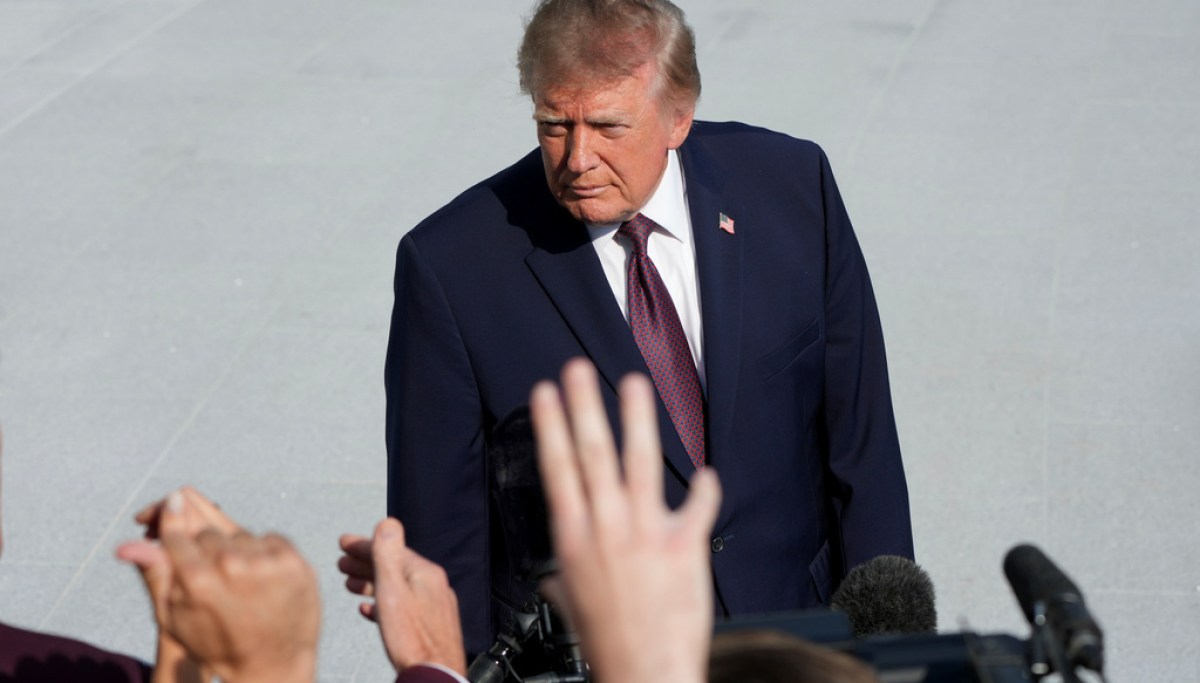
Trump Rallies in Alaska, Ohio to Bolster GOP Senate Candidates
The president rallied in Wasilla for Sen. Dan Sullivan and faced empty seats at an Ohio event amid midterm concerns. Outlets across the spectrum covered the trips as signals of GOP vulnerability weeks before Election Day.
The Compass
You just read five takes on one story.
What's your take? Find your political shape in a few minutes.
Take the test