
Polls Show Democrats Competitive in Five Trump-Won Senate Races

Cover image from slate.com, which was analyzed for this article
NYT/Siena polls showed strong Democratic performance in states Trump won in 2024, raising flip prospects. GOP concerns mounted over Trump’s impact on the midterm ticket.
PoliticalOS
Saturday, October 3, 2026 — Politics
Current surveys place Democrats in striking distance of Senate control through unexpected strength in red states, yet one month of campaigning, spending disparities and past polling errors leave the outcome unresolved.
What outlets missed
Most coverage omitted detailed turnout modeling assumptions behind the leads, such as the precise share of young voters required to match the samples. No outlet independently verified whether Republican financial reserves had begun shifting voter sentiment in the final month. Candidate-specific favorability trends since June appeared in only one set of surveys and could not be corroborated elsewhere. The New Hampshire family-name confusion effect was reported in isolation and lacked parallel data from other states.
Senate control rests on races in states President Trump carried by double digits in 2024. Recent surveys place Democratic candidates ahead or tied in Texas, Alaska, Ohio, Iowa and Kansas.
New York Times/Siena polls conducted since Labor Day found Democrats leading in Texas by six points, Alaska by seven points and Ohio by three points, tied in Kansas and trailing by one point in Iowa. Other nonpartisan surveys from Marist, Emerson College and InsiderAdvantage produced similar results across the five states. These outcomes would give Democrats the four net gains needed to capture the chamber if they hold their own seats and win North Carolina.
Voter sentiment in the surveys centers on Trump’s 40 percent approval rating in the group of states, down five points from June. More voters viewed each Democratic candidate favorably than unfavorably, while the reverse held for Republican opponents. In four states, larger shares called the Republican “too far to the right” than called the Democrat “too far to the left.”
Separate reporting from New Hampshire illustrates limits to the pattern. There, Republican John E. Sununu holds name recognition and family brand advantages against Democrat Chris Pappas, yet University of New Hampshire and Times/Siena surveys showed Pappas ahead by five to eight points. Voters interviewed in three counties repeatedly described the contest as a referendum on Trump rather than local records.
Skepticism about the numbers persists. Pollsters note that models assume unusually high youth turnout and depressed Republican participation, assumptions that have overstated Democratic strength in prior Trump-era cycles. Republicans retain a spending edge and one month to mobilize their base. Historical midterm polling errors in Republican-leaning states remain a documented risk.
One opinion column predicted Republican retention of both chambers without citing specific surveys or turnout data. The contrast underscores that current leads constitute one data point, not a forecast.
More in Politics

Federal Agents Search Omar Home in Ongoing Immigration Probe
Homeland Security agents searched the Minnesota Democrat's DC residence in a criminal probe, prompting accusations of political intimidation from Omar and Democratic leaders. Coverage spans left-leaning outlets like NPR, BBC, and The Guardian alongside right-leaning criticism from The Federalist and Daily Wire.

Trump Diesel Import Plan Draws Pushback Over Russia Ties
The weekend agreement drew bipartisan congressional pushback and criticism from Ukraine's Zelenskyy, with analysts downplaying US fuel price impacts. Right-leaning outlets like National Review, Dispatch, and Washington Examiner questioned its legality and effectiveness.

Independents Test Voter Appetite for Middle Ground in 2026 Midterms
Nearly 200 independents are running in competitive races as voters weigh ballot measures on housing costs in states like Massachusetts. Left-leaning coverage from NYT, NPR, and Guardian highlights turnout and key races while right outlets focus on GOP strategy.
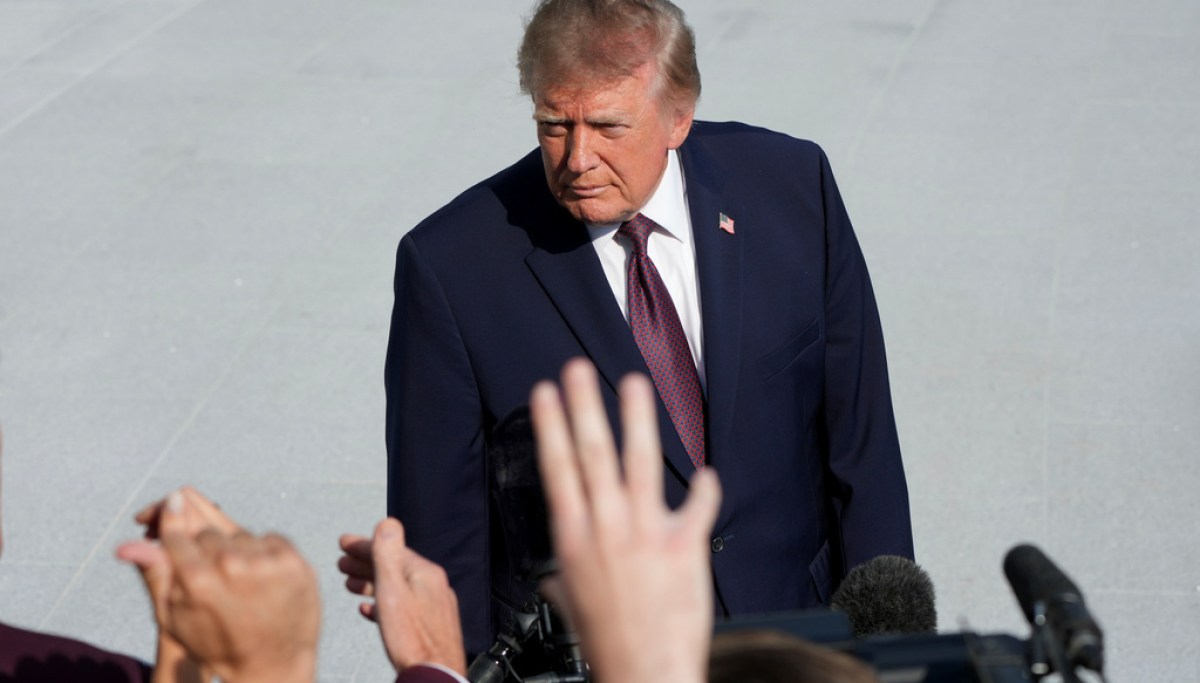
Trump Rallies in Alaska, Ohio to Bolster GOP Senate Candidates
The president rallied in Wasilla for Sen. Dan Sullivan and faced empty seats at an Ohio event amid midterm concerns. Outlets across the spectrum covered the trips as signals of GOP vulnerability weeks before Election Day.
The Compass
You just read five takes on one story.
What's your take? Find your political shape in a few minutes.
Take the test