
DHS Targets Immigration Scams Amid Body Camera Delays After Shootings
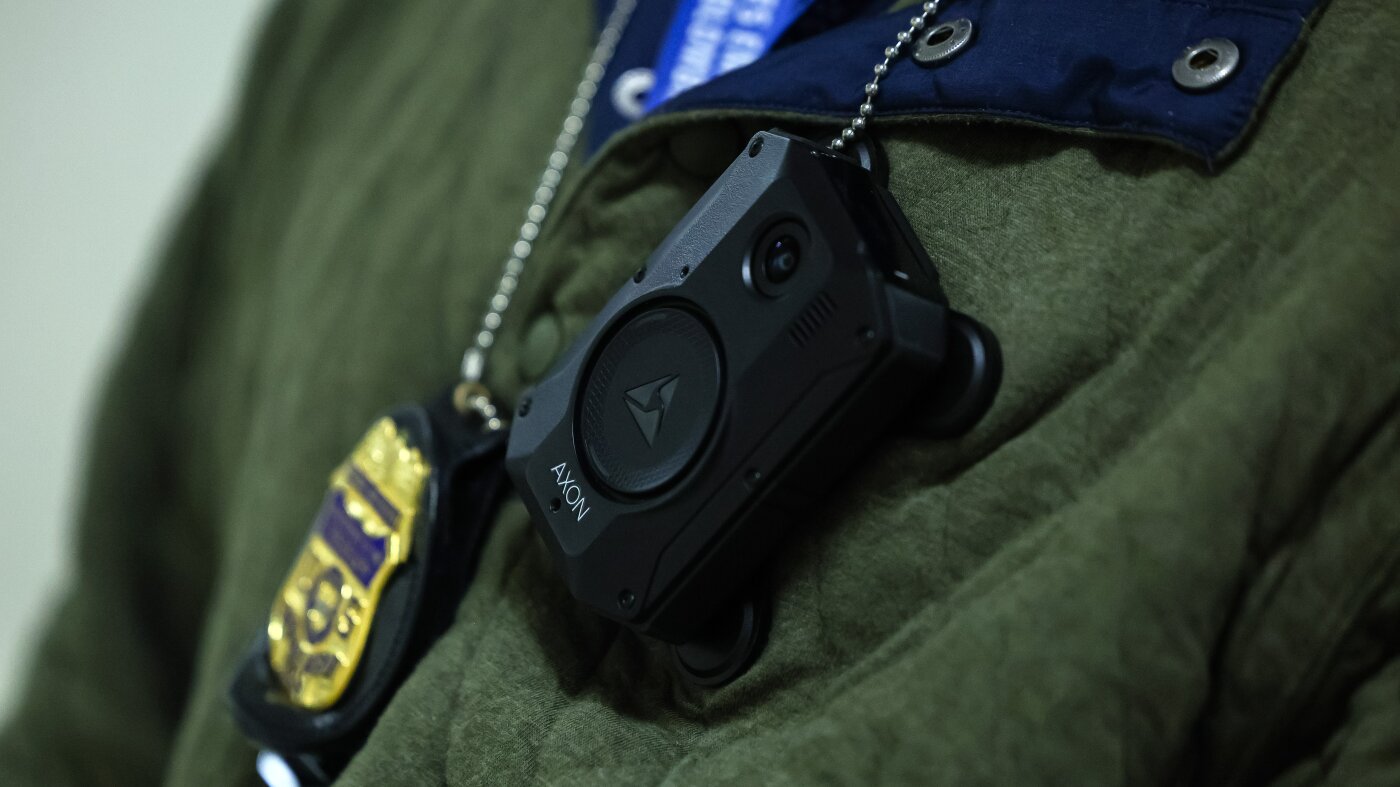
Cover image from npr.org, which was analyzed for this article
DHS launched an 'all-out war' on immigration scammers as fraud complaints doubled while body cam rollout for agents lagged. Reports examined enforcement priorities and accountability gaps. Bipartisan lawmakers scrutinized implementation.
PoliticalOS
Thursday, July 16, 2026 — Politics
Heightened enforcement has coincided with rising fraud complaints and fatal incidents lacking body camera footage. DHS claims progress on both fronts, yet independent confirmation of complaint trends and full camera deployment remains limited to agency statements and partial external data.
What outlets missed
Neither outlet supplied raw FTC complaint tables or time-series data to allow independent verification of the reported doubling. DHS statements on partial body camera distribution to half of field offices and a 60-day completion target appeared in other contemporaneous reporting but received no mention in the ProPublica or NPR pieces. Funding details from the prior year's appropriations bill and the absence of a statutory purchase mandate were referenced only in passing, leaving the logistical constraints on rollout underexplored.
Immigration enforcement actions have created new openings for fraud while leaving accountability measures incomplete. Complaints about scammers targeting people in proceedings rose sharply, prompting DHS to seek leads on fake filings and payments. At the same time, body cameras promised after earlier fatal encounters remain only partially distributed, leaving recent shootings without that record.
Federal Trade Commission data analyzed by ProPublica showed at least $94.4 million lost across more than 6,200 complaints over five years. Scammers have used social media ads, WhatsApp messages, and Zelle transfers to impersonate lawyers or officials, sometimes staging fake hearings. DHS issued a statement declaring an all-out war on the schemes and requested specific URLs, numbers, and payment traces. The agency has not released public complaint counts or a detailed methodology confirming the reported doubling since the start of the second Trump administration.
Separate incidents in Texas and Maine involved immigration agents fatally shooting two men during enforcement operations. Neither set of officers wore body cameras. DHS attributed rollout delays to prior government funding interruptions and stated that half of field offices now have cameras, with the rest scheduled within 60 days. White House Border Czar Tom Homan noted hundreds of units purchased after earlier Minnesota shootings but cited the need for additional appropriations. Lawmakers including Sen. Susan Collins renewed calls for a mandate. Critics such as David Bier of the Cato Institute questioned whether full deployment is treated as a priority.
Bipartisan scrutiny has focused on both the fraud response and camera implementation. Advocacy groups including Catholic Charities USA and the American Immigration Lawyers Association reported impersonation of their brands. DHS has warned the public against direct social media solicitations and Zelle payments to unverified contacts. No independent public data set has yet corroborated the full scale of either the fraud increase or the camera distribution timeline.
More in Politics

Federal Agents Search Omar Home in Ongoing Immigration Probe
Homeland Security agents searched the Minnesota Democrat's DC residence in a criminal probe, prompting accusations of political intimidation from Omar and Democratic leaders. Coverage spans left-leaning outlets like NPR, BBC, and The Guardian alongside right-leaning criticism from The Federalist and Daily Wire.

Trump Diesel Import Plan Draws Pushback Over Russia Ties
The weekend agreement drew bipartisan congressional pushback and criticism from Ukraine's Zelenskyy, with analysts downplaying US fuel price impacts. Right-leaning outlets like National Review, Dispatch, and Washington Examiner questioned its legality and effectiveness.

Independents Test Voter Appetite for Middle Ground in 2026 Midterms
Nearly 200 independents are running in competitive races as voters weigh ballot measures on housing costs in states like Massachusetts. Left-leaning coverage from NYT, NPR, and Guardian highlights turnout and key races while right outlets focus on GOP strategy.
Trump Rallies in Alaska, Ohio to Bolster GOP Senate Candidates
The president rallied in Wasilla for Sen. Dan Sullivan and faced empty seats at an Ohio event amid midterm concerns. Outlets across the spectrum covered the trips as signals of GOP vulnerability weeks before Election Day.
The Compass
You just read five takes on one story.
What's your take? Find your political shape in a few minutes.
Take the test