
DHS Funding Lapse Triggers TSA Quits, Risks Travel Chaos and Deportations
Cover image from foxnews.com, which was analyzed for this article
The White House warned of a looming Homeland Security funding lapse risking TSA staffing shortages with over 1,000 quits and deportation slowdowns ahead of peak travel. Speaker Johnson faces pressure from Trump and Senate GOP to act amid party infighting. GOP rebels threaten to block related bills.
PoliticalOS
Wednesday, April 29, 2026 — Politics
A real funding lapse since mid-February has produced over 1,000 TSA departures and placed both airport security and deportation operations on borrowed time, with emergency measures set to expire in early May. Speaker Johnson must navigate genuine policy rifts inside his conference over surveillance, agriculture, and immigration spending to pass a solution before the House calendar collapses. Contingency authorities exist, yet prolonged uncertainty will compound staffing gaps that cannot be fixed quickly, directly affecting travelers and enforcement priorities this summer.
What outlets missed
Most coverage omitted the precise trigger for the mid-February lapse: failed negotiations over supplemental funding for ICE and CBP in the wake of shootings involving federal agents, a detail available in congressional statements and timelines. Outlets also underplayed documented DHS contingency plans that permit essential TSA screening and certain enforcement activities to continue using prior-year funds during lapses. The specific scale of impact on deportations received only vague White House mentions; no outlet provided verified numbers on slowed removals or current ICE capacity. Finally, variation in World Cup visitor projections (five to ten million) was often presented as a single alarming figure without noting the estimates' range or sourcing.
GOP House Revolt Risks Worsening Airport Chaos as TSA Loses More Than 1,000 Officers
More than 1,000 Transportation Security Administration officers have quit since the Department of Homeland Security funding lapse began in mid-February, according to the agency. The departures come at a precarious moment, with the United States set to welcome as many as 10 million international visitors for the FIFA World Cup and the traditional summer travel peak approaching. Each new hire requires four to six months of training, a timeline that leaves the agency warning of reduced capacity to screen passengers and significant gaps in operations.
The funding impasse started when Congress failed to agree on a budget for the department. TSA employees initially worked without pay, producing the long security lines that frustrated travelers last month at airports nationwide. President Donald Trump directed the department to use money from the recent spending package known as the “One Big Beautiful Bill” to cover payroll earlier this month. Homeland Security Secretary Markwayne Mullin told Fox News that those funds will be exhausted in the first week of May if lawmakers do not resolve the lapse, potentially returning the agency to the same predicament.
The human cost is straightforward. Security officers, many of them hourly workers with families, faced months of uncertainty. When paychecks stop arriving on time, some choose to leave for steadier private-sector jobs rather than absorb the risk. The result is not an abstract bureaucratic problem but concrete pressure on the traveling public, especially in an economy where efficient air travel supports business, tourism, and family visits. The State Department’s expectation of heavy World Cup traffic to 11 host cities only magnifies the stakes. Delayed screenings translate into missed connections, frayed tempers, and lost economic activity, consequences that fall hardest on ordinary citizens who had no role in the budget standoff.
In Washington, the path to resolution looks uncertain. House Speaker Mike Johnson is confronting resistance within his own conference ahead of a planned Wednesday vote on a procedural measure that would advance three major bills: a three-year extension of Section 702 of the Foreign Intelligence Surveillance Act, the farm bill, and a party-line budget resolution to address parts of DHS funding. The Rules Committee advanced the measure Tuesday, but several Republicans have signaled opposition.
Rep. Chip Roy of Texas described the current House dynamics as chaotic. Rep. Lauren Boebert of Colorado declared herself a “no” after the panel blocked her amendments. Rep. Nancy Mace of South Carolina indicated she may also vote against the package. Leadership attempted to hold the coalition together with side deals. Privacy-minded members received a prohibition on central bank digital currency attached to the FISA measure. Rural lawmakers were promised year-round sales of the E15 ethanol gasoline blend to ease concerns about the farm bill. Those concessions have not closed every gap. Boebert noted that farmers and ranchers in her district feel the effects of unaddressed priorities, while privacy hawks continue to worry about surveillance authorities.
The difficulties reflect deeper incentive problems in the appropriations process. Lawmakers routinely delay must-pass funding bills until the last moment, then blame one another when essential operations feel the strain. TSA screeners become bargaining chips in larger negotiations over spending levels, surveillance powers, and agricultural policy. The pattern repeats across administrations of both parties, yet each episode demonstrates the same reality: when politicians treat budgeting as theater, workers and the public absorb the practical consequences.
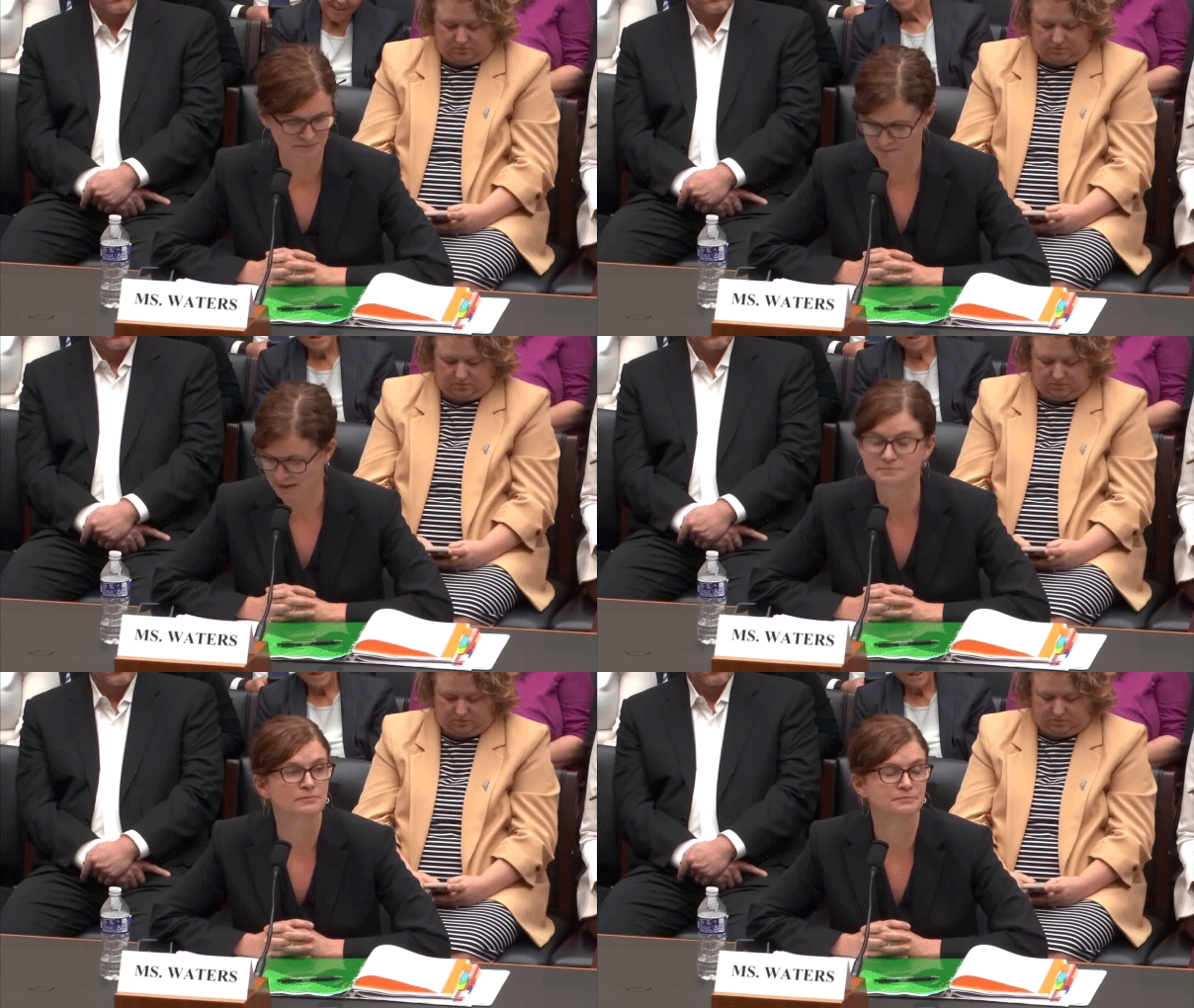
That tense atmosphere extended to other proceedings on Capitol Hill this week. During a House Judiciary Subcommittee on the Constitution and Limited Government hearing, Rep. Brandon Gill, a Texas Republican seen as a rising voice in the party, pressed Jessica Waters, a senior scholar at American University focused on reproductive rights law, to identify her “favorite” abortion procedure. Gill described the graphic details of suction abortions before asking for a preference. Waters responded that she supports patient access to the full range of reproductive health care and declined to choose. The exchange, which drew immediate attention online, illustrated how sharply divided cultural debates further complicate the legislative calendar.
These overlapping conflicts arrive at a time when institutional trust is already thin. The TSA’s staffing losses are measurable and immediate. Training replacements will cost taxpayers millions in recruitment, instruction, and lost productivity. Summer travelers and World Cup visitors cannot wait for Congress to sort out its internal factions. If the funding patch runs dry in May without a longer-term agreement, the familiar scenes of crowded checkpoints and short-staffed lanes will return, not because security standards changed but because the appropriations calendar once again failed to align with operational reality.
House Republican leaders must now decide whether to bring the package to the floor and risk defeat or renegotiate under tighter deadlines. Either choice carries political costs. The larger lesson, visible in the empty posts at airport checkpoints, is that government functions best when it performs its core duties reliably and leaves less room for perpetual crisis management. For the officers who remained at their posts without timely pay and for the millions who will pass through their lanes this summer, the stakes are not theoretical. They are measured in hours spent in line, missed flights, and a quiet erosion of confidence that basic services will work as expected.
You just read Conservative's take. Want to read what actually happened?
More in Politics
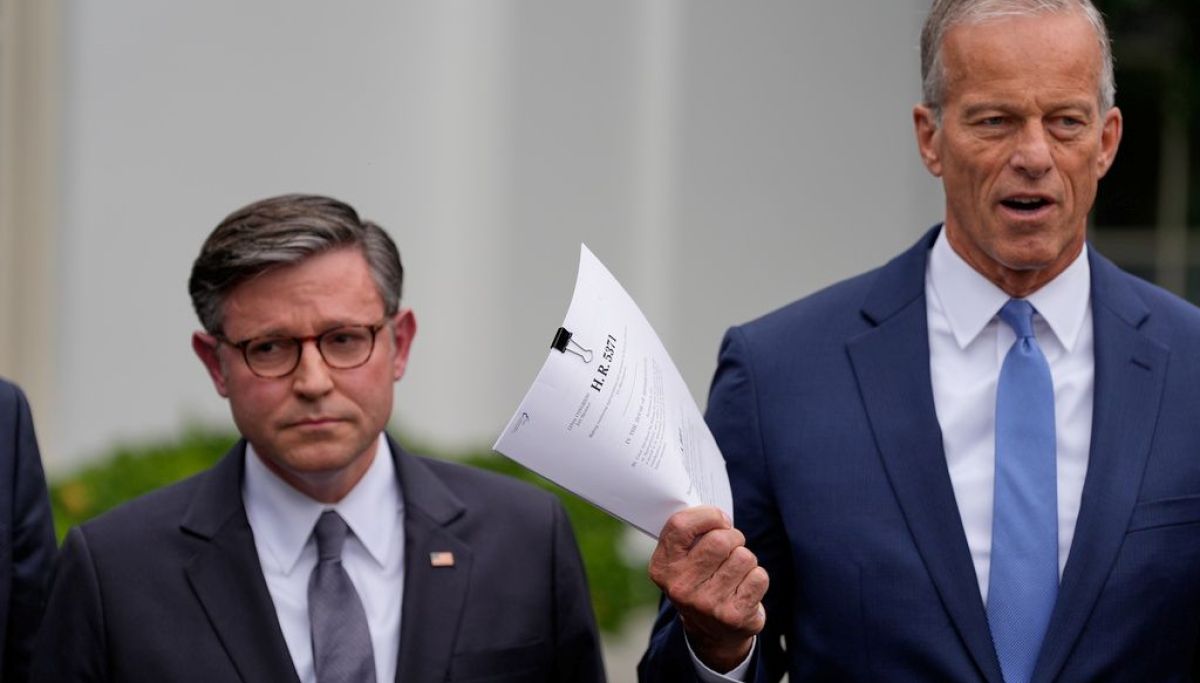
Trump at 32% Approval as Gas Prices Test GOP Midterm Hopes
NYT/Siena polling showed Trump's approval at historic lows around 32 percent with Democrats leading by double digits in key districts. Early voting has surged in battleground states.

Record Early Voting Hits Battlegrounds, Shifting Partisan Shares
AP analysis found hundreds of thousands more early ballots than in 2022 in states including Texas, Ohio, Kansas, Maine, and North Carolina, shifting partisan dynamics.
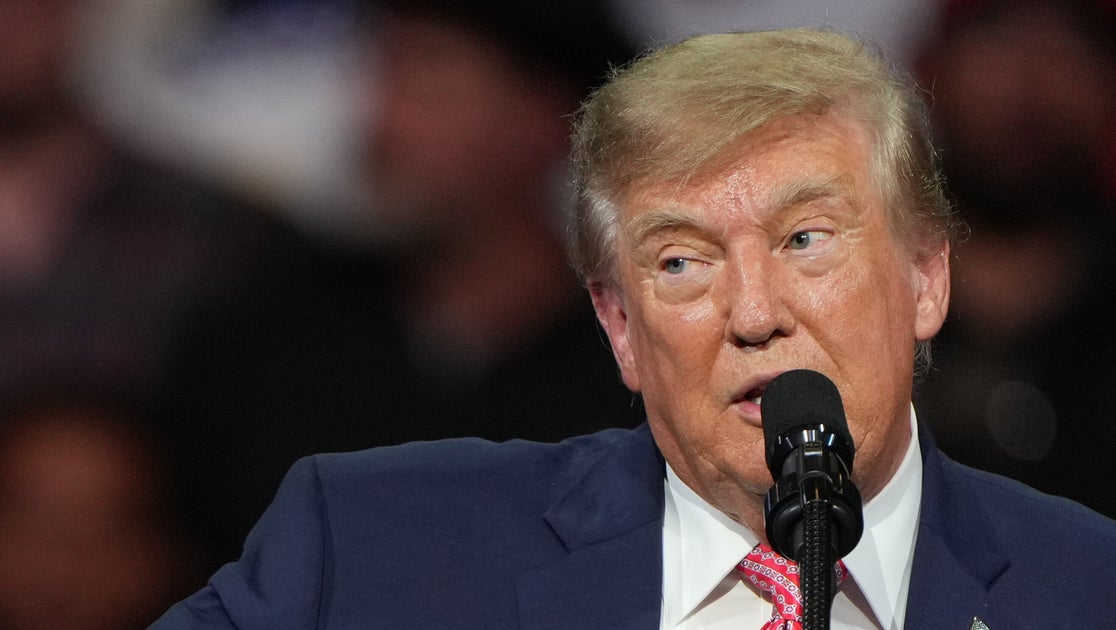
Trump Backs Marshall in Kansas Senate Race Tightened by Farm Costs
President Trump rallied in deep-red Kansas for GOP Sen. Roger Marshall in a competitive race, announcing an $8 billion farm fuel relief program amid high diesel prices. Democrats see an opening to end 94 years of GOP dominance in the state.

Trump Pauses Russia Sanctions Amid Ukraine Tensions and Missile Strikes
Trump waived sanctions on Russia and floated trilateral talks with Putin and Xi as part of ending the Ukraine war, while tensions rose with Zelenskyy over Starlink and arms. Bipartisan senators engaged Zelenskyy amid the shifts.
The Compass
You just read five takes on one story.
What's your take? Find your political shape in a few minutes.
Take the test