
Flawed DNC autopsy fuels calls for Martin to resign
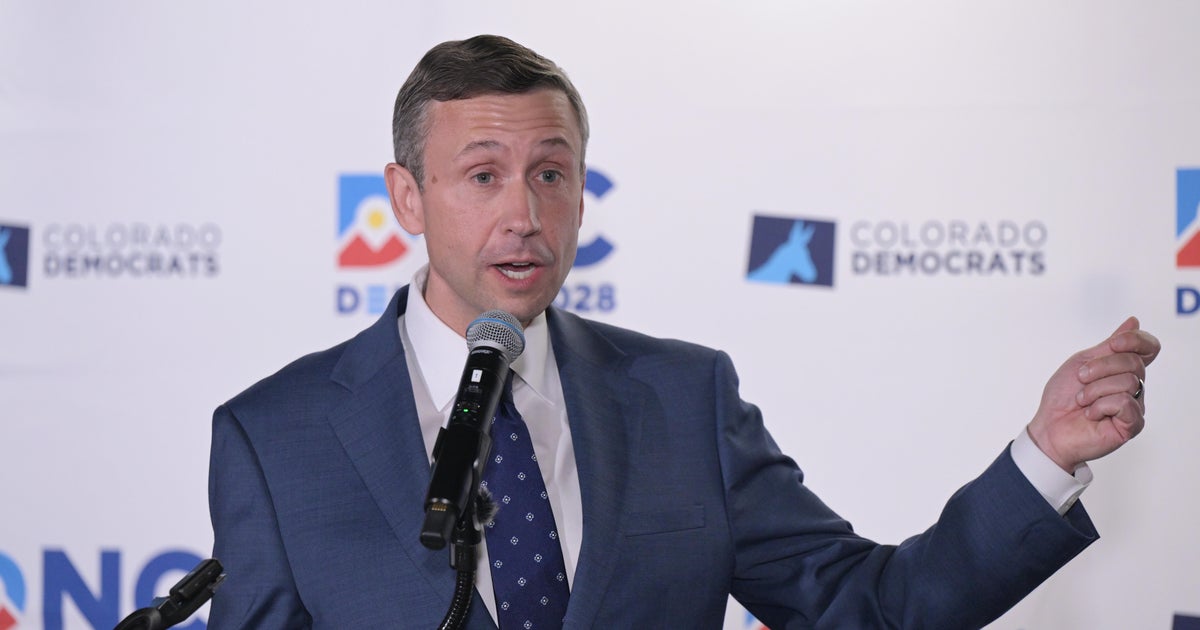
Cover image from cbsnews.com, which was analyzed for this article
Democrats released a report examining their 2024 losses that has drawn criticism for being incomplete and raising more questions than answers. Party leaders and potential 2028 contenders are debating its implications.
PoliticalOS
Friday, May 22, 2026 — Politics
The DNC’s own review of 2024 remains contested and incomplete, leaving party leaders without a shared diagnosis or clear path forward. Martin’s position has become the immediate flashpoint, yet the deeper question is whether Democrats will translate private adjustments into a coherent public message before 2026 and 2028.
What outlets missed
Most coverage noted the report’s disclaimers but did not quote or summarize the specific rebuttal annotations that appear throughout the text. Few outlets examined the precise sequence of Martin’s December decision to withhold the document after off-year election wins or the role of Shapiro’s reported phone call in forcing release. Fundraising comparisons were presented without historical cycle benchmarks or Democratic explanations for the gap. The report’s 192-page length and the author’s subsequent separation from the DNC received uneven attention across accounts.
Democrats Struggle With Incomplete Autopsy of 2024 Defeat
Democrats released a long-delayed internal review of their 2024 election loss on Thursday, but the 192-page document drew immediate criticism for factual errors, missing data, and disclaimers on every page stating that the Democratic National Committee did not verify its claims. DNC Chair Ken Martin issued the report after months of pressure from figures including Pennsylvania Gov. Josh Shapiro and former Vice President Kamala Harris, acknowledging that the product fell short of basic standards.
The review, titled Build to Win. Build to Last, was drafted by a Martin associate and avoided detailed examination of several issues that polls showed hurt the party, including immigration enforcement and foreign policy. Martin apologized for the delay and the distraction it created but offered no plan for a revised analysis. Former DNC Vice Chairman David Hogg called the report a demoralizing joke and questioned Martin's fitness to lead.
Behind the public complaints lies a narrower internal agreement among party elites. Campaigns in upcoming races are centering on household costs and criticism of President Donald Trump rather than broader ideological appeals. Candidates across the spectrum, from progressive state legislators to House Minority Leader Hakeem Jeffries, now stress affordability as the safest terrain. This shift follows recognition that earlier emphasis on rapid green energy mandates, expansive social policies, and identity-focused messaging left many working voters feeling overlooked.
The report itself notes that climate rhetoric and transition policies generated anxiety in traditional industries and that prioritizing social issues over economic concerns drove away voters who focused on immediate family budgets. It also concedes that the party failed to build lasting ties with working Americans despite repeated claims of representing them. These observations align with voting patterns in 2024, when support among lower-income and Hispanic households moved noticeably toward Republicans.
Unlike the 1994 Republican Contract with America or the 2010 Tea Party wave, no unified platform or insurgent movement has emerged to reshape Democratic messaging nationwide. Public repudiations of the Biden-Harris record remain rare, and most senior party officials have kept their positions. The quiet adjustments on border security, crime, and identity topics occur mainly in private strategy sessions and candidate briefings rather than through open debate.
Martin stated that transparency required releasing the flawed document as received. Multiple Democrats have since called for his resignation, arguing that the process damaged the party's credibility. The episode illustrates how empirical losses have prompted tactical recalibration without a full accounting of the policy assumptions that contributed to voter erosion.
You just read Conservative's take. Want to read what actually happened?
More in Politics

Trump at 32% Approval as Gas Prices Test GOP Midterm Hopes
NYT/Siena polling showed Trump's approval at historic lows around 32 percent with Democrats leading by double digits in key districts. Early voting has surged in battleground states.

Record Early Voting Hits Battlegrounds, Shifting Partisan Shares
AP analysis found hundreds of thousands more early ballots than in 2022 in states including Texas, Ohio, Kansas, Maine, and North Carolina, shifting partisan dynamics.

Trump Backs Marshall in Kansas Senate Race Tightened by Farm Costs
President Trump rallied in deep-red Kansas for GOP Sen. Roger Marshall in a competitive race, announcing an $8 billion farm fuel relief program amid high diesel prices. Democrats see an opening to end 94 years of GOP dominance in the state.

Trump Pauses Russia Sanctions Amid Ukraine Tensions and Missile Strikes
Trump waived sanctions on Russia and floated trilateral talks with Putin and Xi as part of ending the Ukraine war, while tensions rose with Zelenskyy over Starlink and arms. Bipartisan senators engaged Zelenskyy amid the shifts.
The Compass
You just read five takes on one story.
What's your take? Find your political shape in a few minutes.
Take the test