
Flawed DNC autopsy fuels calls for Martin to resign
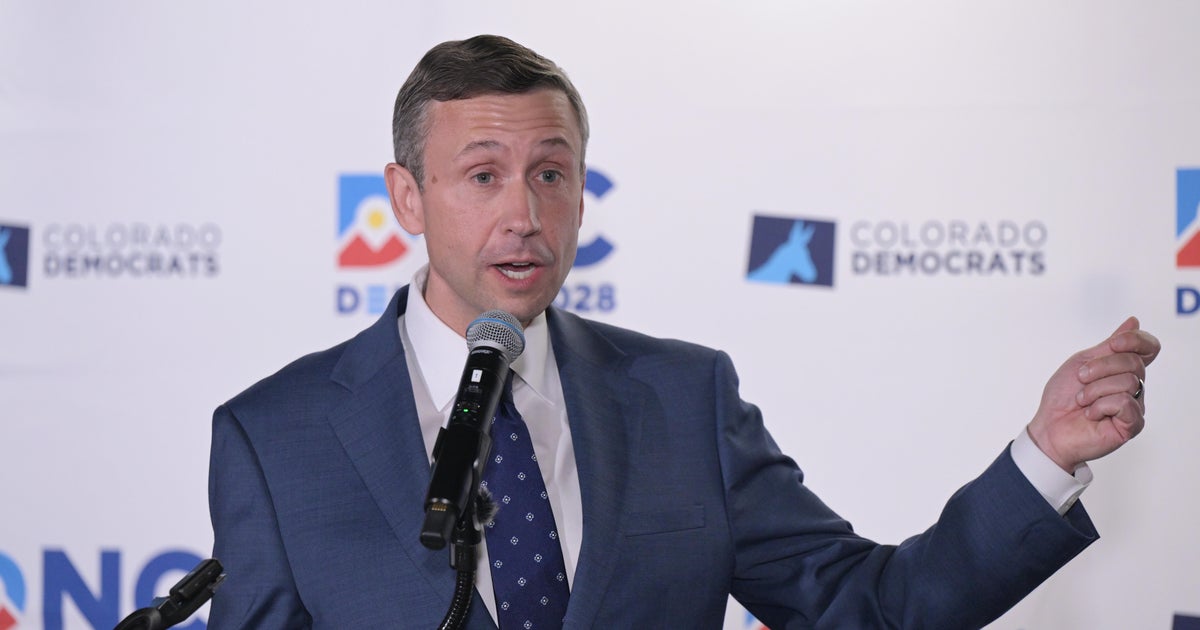
Cover image from cbsnews.com, which was analyzed for this article
Democrats released a report examining their 2024 losses that has drawn criticism for being incomplete and raising more questions than answers. Party leaders and potential 2028 contenders are debating its implications.
PoliticalOS
Friday, May 22, 2026 — Politics
The DNC’s own review of 2024 remains contested and incomplete, leaving party leaders without a shared diagnosis or clear path forward. Martin’s position has become the immediate flashpoint, yet the deeper question is whether Democrats will translate private adjustments into a coherent public message before 2026 and 2028.
What outlets missed
Most coverage noted the report’s disclaimers but did not quote or summarize the specific rebuttal annotations that appear throughout the text. Few outlets examined the precise sequence of Martin’s December decision to withhold the document after off-year election wins or the role of Shapiro’s reported phone call in forcing release. Fundraising comparisons were presented without historical cycle benchmarks or Democratic explanations for the gap. The report’s 192-page length and the author’s subsequent separation from the DNC received uneven attention across accounts.
Democrats Botched Autopsy Report Lays Bare Party Failures on Border and Economy
The Democratic National Committee finally released its long-delayed review of the 2024 election loss this week, but the document came with disclaimers on every page and sparked fresh calls for Chairman Ken Martin to step down. The 192-page report, titled Build to Win Build to Last, was written by a Martin associate and quickly dismissed by the party itself as incomplete and riddled with errors. Martin acknowledged it fell short of his standards yet released it anyway to address demands for transparency from figures including former Vice President Kamala Harris and Pennsylvania Gov. Josh Shapiro.
The report itself points to serious missteps that cost Democrats support among working Americans. It notes the party has lost the confidence of ordinary voters since the Obama years, with candidates failing to project strength or address kitchen-table concerns. Climate messaging around green energy transitions created anxiety in traditional industries, while an emphasis on social issues over economic ones drove away socially conservative voters. The analysis also admits the party never cemented a real relationship with working-class Americans despite efforts to portray Joe Biden as their champion.
Behind the scenes, Democratic strategists appear to recognize they drifted too far on several fronts. Quiet recalibrations are underway on border security, crime, and identity-focused messaging after years of positions that clashed with mainstream sentiment. Public campaigns now stress affordability and attacks on President Trump, a shift endorsed across factions from progressive state lawmakers to House leadership. Yet the released document steers clear of deeper dives into immigration enforcement or the Israel debate, leaving those flashpoints unexamined.
Martin faced mounting criticism for delaying the report for months before reversing course under pressure. Former DNC Vice Chairman David Hogg called the final product a demoralizing joke and questioned Martin's ability to lead. Other Democrats have echoed that view, arguing the bungled process and error-filled content further erode trust in the party's direction. The report offers no sweeping new platform akin to past Republican efforts to reset after defeats, and primary contests have not produced a unified reform movement.
For voters watching from outside elite circles, the episode reinforces a familiar pattern. Democrats spent heavily in 2024 only to lose again, and the internal review now concedes the brand had grown disconnected from the priorities of people focused on wages, safety, and basic stability rather than abstract policy experiments. Whether the quiet adjustments on key issues translate into lasting change remains to be seen as the party prepares for future contests.
You just read America First's take. Want to read what actually happened?
More in Politics

Trump Defends Ramaswamy Ad Using Estranged Mother in Ohio Race
President Trump defended a GOP nominee's ad featuring a Democratic opponent's estranged mother, calling it powerful, while drawing criticism from some Republicans including Ohio Gov. Mike DeWine. The ad has sparked internal GOP tensions ahead of midterms.
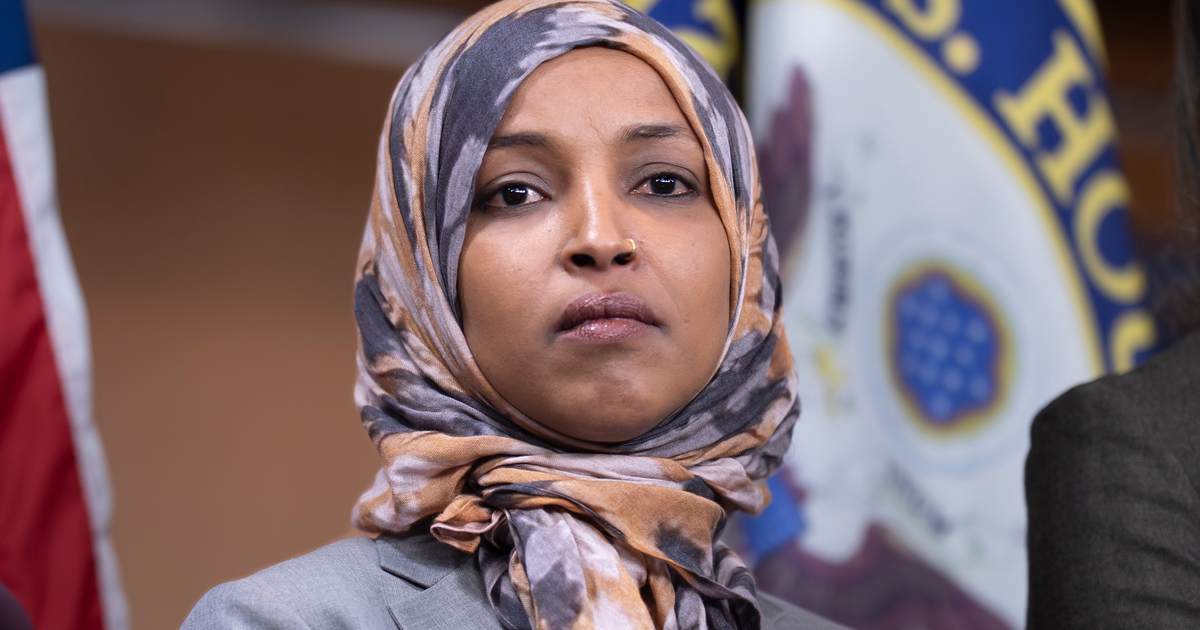
Federal Raid Targets Omar Amid Unresolved Name and Marriage Allegations
Agents searched Rep. Ilhan Omar's DC residence over immigration fraud allegations; she called it bizarre. Reports and commentary questioned her birth name and past marriage details.

Supreme Court Upholds New Hampshire Student ID Voting Ban
The Supreme Court upheld New Hampshire's ban on student IDs as valid voter identification just before midterms, affecting a tight Senate race.
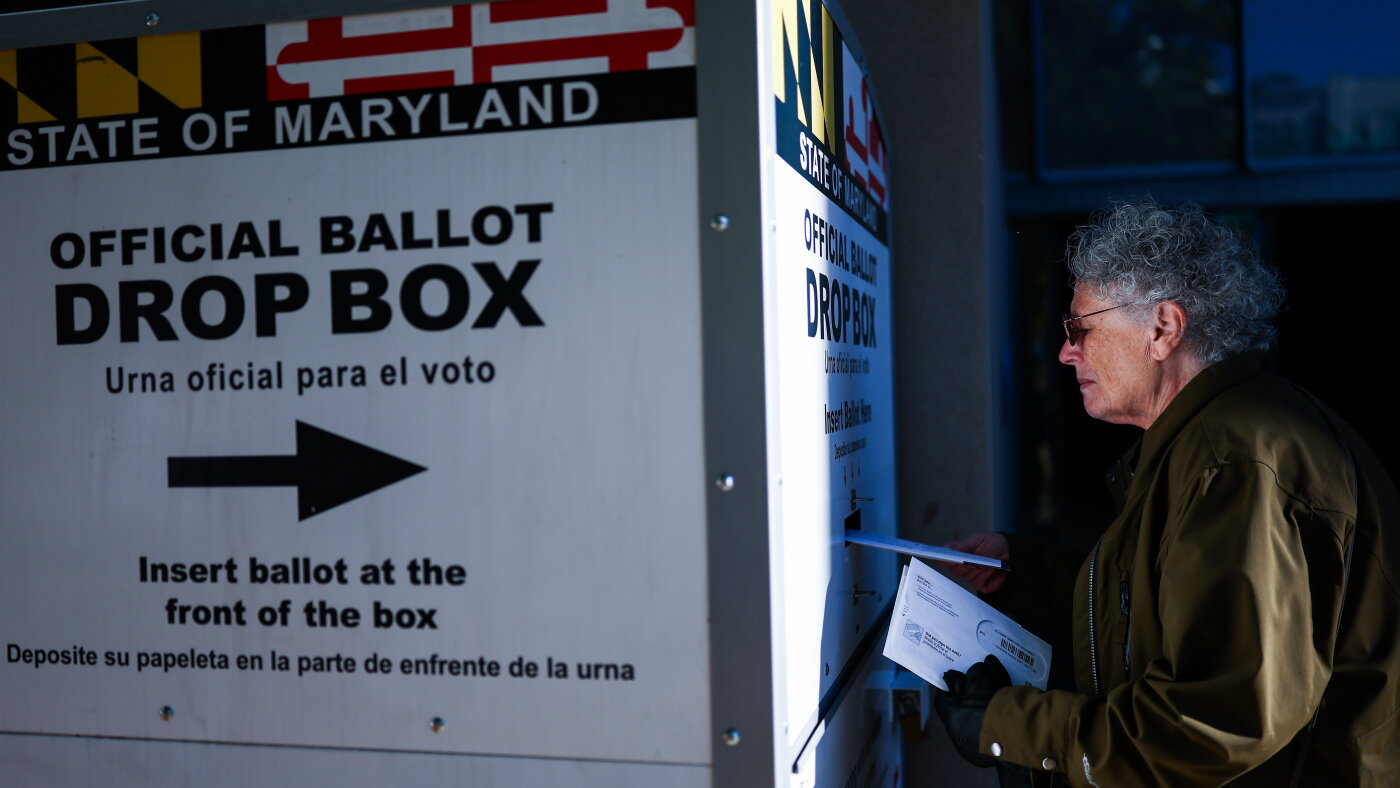
Early Voting Hits 21 Million as Most Trust Midterm Accuracy
Millions have already voted early as parties make final appeals amid $1.4 billion in ad spending; polls show confidence in election accuracy.
The Compass
You just read five takes on one story.
What's your take? Find your political shape in a few minutes.
Take the test