
Flawed DNC autopsy fuels calls for Martin to resign
Cover image from cbsnews.com, which was analyzed for this article
Democrats released a report examining their 2024 losses that has drawn criticism for being incomplete and raising more questions than answers. Party leaders and potential 2028 contenders are debating its implications.
PoliticalOS
Friday, May 22, 2026 — Politics
The DNC’s own review of 2024 remains contested and incomplete, leaving party leaders without a shared diagnosis or clear path forward. Martin’s position has become the immediate flashpoint, yet the deeper question is whether Democrats will translate private adjustments into a coherent public message before 2026 and 2028.
What outlets missed
Most coverage noted the report’s disclaimers but did not quote or summarize the specific rebuttal annotations that appear throughout the text. Few outlets examined the precise sequence of Martin’s December decision to withhold the document after off-year election wins or the role of Shapiro’s reported phone call in forcing release. Fundraising comparisons were presented without historical cycle benchmarks or Democratic explanations for the gap. The report’s 192-page length and the author’s subsequent separation from the DNC received uneven attention across accounts.
Democrats Confront Election Defeat With Flawed Review and Subtle Strategic Adjustments
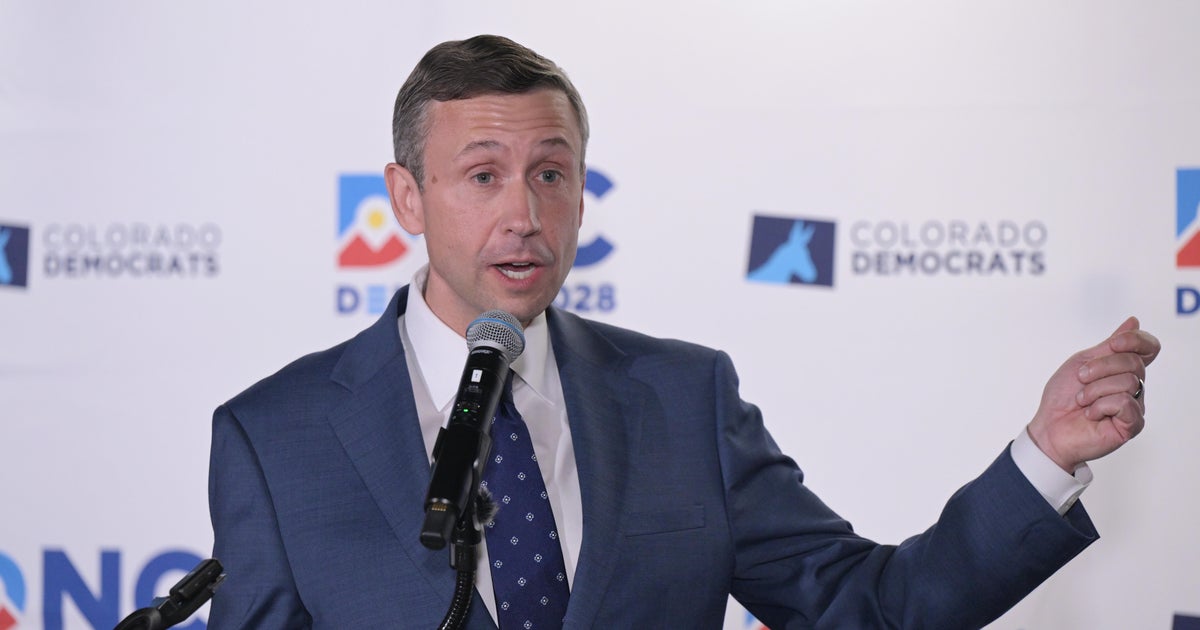
The Democratic National Committee released a long-delayed review of its 2024 presidential loss on Thursday, a 192-page document that party chair Ken Martin immediately disavowed as incomplete and error-filled. The report, titled “Build to Win. Build to Last,” came with a disclaimer on every page noting that the DNC had not verified its sourcing or data. Martin, who had resisted releasing it for months, said he did so to restore trust, even as he acknowledged it fell short of his standards.
The document’s shortcomings quickly drew criticism from across the party. Former DNC vice chair David Hogg called it “a demoralizing joke,” and several Democrats renewed calls for Martin to step down. Pennsylvania Gov. Josh Shapiro, viewed as a potential 2028 contender, had pressed Martin directly about the delay in a recent call. The episode has left the party’s national apparatus appearing disorganized at a moment when Democrats are trying to regroup after losing to Donald Trump for the second time in four years.
Yet the release itself may matter less than the shifts already underway among Democratic candidates and strategists. Interviews with party figures and campaign activity in competitive districts suggest a broad, if uneven, turn toward emphasizing affordability and cost-of-living pressures. Candidates ranging from progressive state legislators to House Minority Leader Hakeem Jeffries have converged on messaging about housing costs, grocery prices, and wages, even when their specific proposals differ.
This focus reflects polling and internal analysis showing that voters consistently ranked economic concerns above other issues in 2024. Democrats had struggled to connect with working-class voters on these questions, in part because their record under President Biden became associated with inflation and uneven recovery. The new emphasis does not amount to a formal platform overhaul, but it has produced noticeable consistency in early messaging for the 2026 midterms.
Alongside the economic pivot, many Democrats have also adjusted their positions on several cultural and policy questions where surveys showed the party had drifted from median voter opinion. These include stronger language on border security, a greater willingness to discuss crime in urban areas, and a scaling back of ambitious climate rhetoric that some candidates believe raised costs without delivering tangible benefits to most households. Identity-focused messaging has likewise receded in many races, replaced by appeals that stress shared economic interests.
These adjustments remain largely tactical rather than ideological. Few Democratic leaders have staged public repudiations of the Biden-Harris record, and no unifying document or movement has emerged to coordinate the changes across states. Primary challenges continue to produce varied outcomes, with some progressive candidates succeeding on affordability platforms while others struggle in more moderate districts.
The absence of a more dramatic reset carries risks. Without clearer coordination, individual candidates may send conflicting signals on issues such as immigration enforcement or energy policy. At the same time, the decentralized nature of the adjustments could allow the party to test messages in different regions before settling on a national approach. Early polling on generic congressional ballots shows modest Democratic gains in some battleground areas, though it remains early in the cycle and voter sentiment could shift with economic conditions or Trump administration actions.
For now, the party’s path forward appears defined less by the contents of the discredited autopsy than by these incremental recalibrations. Whether they prove sufficient to rebuild support among the working-class voters who moved away in recent cycles will depend on how effectively candidates translate the new emphasis into concrete policy arguments over the next two years.
You just read Liberal's take. Want to read what actually happened?
More in Politics

Trump at 32% Approval as Gas Prices Test GOP Midterm Hopes
NYT/Siena polling showed Trump's approval at historic lows around 32 percent with Democrats leading by double digits in key districts. Early voting has surged in battleground states.

Record Early Voting Hits Battlegrounds, Shifting Partisan Shares
AP analysis found hundreds of thousands more early ballots than in 2022 in states including Texas, Ohio, Kansas, Maine, and North Carolina, shifting partisan dynamics.

Trump Backs Marshall in Kansas Senate Race Tightened by Farm Costs
President Trump rallied in deep-red Kansas for GOP Sen. Roger Marshall in a competitive race, announcing an $8 billion farm fuel relief program amid high diesel prices. Democrats see an opening to end 94 years of GOP dominance in the state.

Trump Pauses Russia Sanctions Amid Ukraine Tensions and Missile Strikes
Trump waived sanctions on Russia and floated trilateral talks with Putin and Xi as part of ending the Ukraine war, while tensions rose with Zelenskyy over Starlink and arms. Bipartisan senators engaged Zelenskyy amid the shifts.
The Compass
You just read five takes on one story.
What's your take? Find your political shape in a few minutes.
Take the test