
DOJ Drops $1.8 Billion Fund After Judges Block Payouts
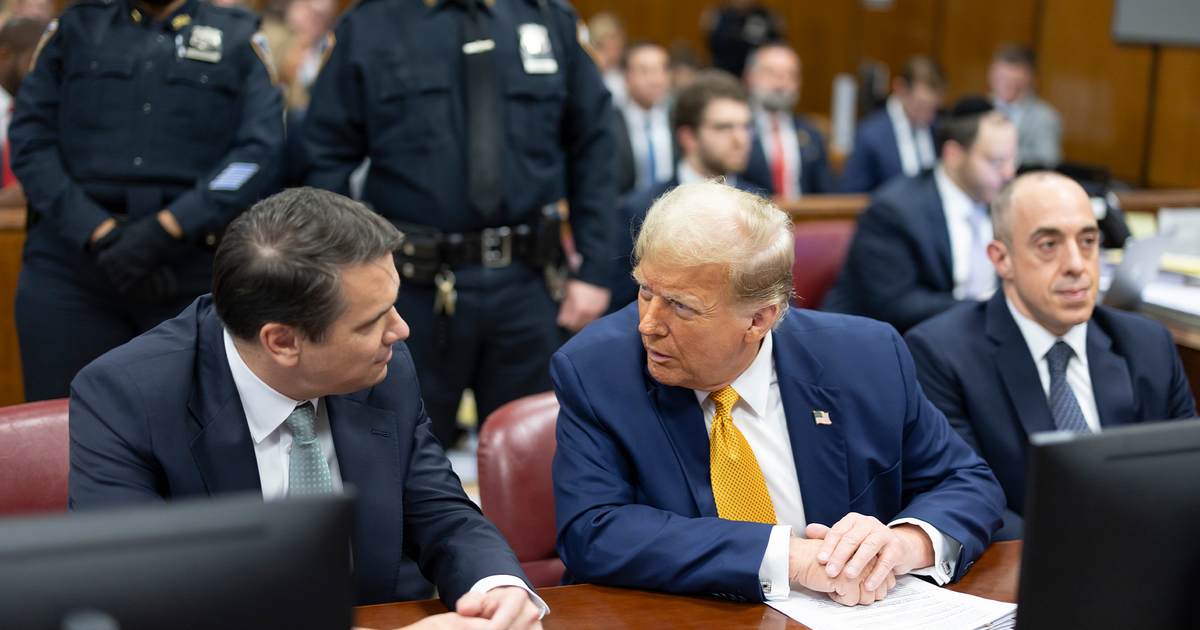
Cover image from redstate.com, which was analyzed for this article
The Justice Department pauses work on the $1.8 billion fund after a judge's block, with Republican senators demanding answers as Trump reconsiders amid political backlash. The move highlights tensions over accountability for prior investigations.
PoliticalOS
Tuesday, June 2, 2026 — Politics
The fund’s creation and subsequent court-ordered pause expose ongoing disputes over how past investigations should be addressed and who controls the process. Readers should track the June 12 filings to see whether any compensation pathway survives or whether the matter shifts to congressional action.
What outlets missed
The precise statutory basis for using the Judgment Fund under 31 U.S.C. § 1304 was referenced in only one account and received no independent verification from other sources. The identity of the lead plaintiff as a former January 6 prosecutor appeared in a single report and could not be corroborated elsewhere. No outlet supplied the docket numbers or filing dates for the two blocking orders, leaving readers without direct access to the primary documents.
Judge Halts Trump Administration Effort to Compensate Victims of Government Weaponization
A federal judge in Virginia has ordered the Justice Department to halt all work on a nearly 1.8 billion dollar fund meant to compensate targets of what the Trump administration called lawfare and government weaponization. The ruling from Judge Leonie Brinkema goes beyond pausing payments and blocks even the basic steps needed to set the program in motion.
The Anti-Weaponization Fund grew out of a settlement tied to an IRS case that the administration revived. Its purpose was to address documented harms to individuals and groups hit with investigations, raids, and regulatory actions during previous administrations. The money was intended to cover legal costs, lost income, and other damages suffered by those who claimed they were singled out for their political views.
Instead of appealing the Virginia decision, the Justice Department announced it would scrap the fund entirely. Officials cited both the court order and objections from some Republican lawmakers who wanted more details on how the settlement was reached. In a separate Florida proceeding, another judge reopened the underlying IRS matter and demanded explanations about possible coordination between the parties.
The Virginia ruling stands out because it does not simply review whether the spending is legal. It bars department staff from appointing administrators, drafting procedures, or doing any preparatory work. Past injunctions have stopped construction projects already underway, but this order reaches inside an agency to prevent internal planning. Critics of the decision argue that such micromanagement shifts power from the executive branch to the judiciary in a way the Constitution does not support.
The fund had been presented as a direct response to years of high-profile actions against Trump associates, conservative organizations, and ordinary citizens caught in broad investigations. Supporters pointed to cases involving lengthy legal fights, asset seizures, and public accusations that later produced little or no criminal findings. The administration viewed the money as a practical way to restore some balance after those episodes.
Opponents, including Democratic lawmakers, have labeled the entire effort a political payoff and questioned its legal foundation. They note that Congress never passed a specific appropriation for the fund, though the administration maintained it fell under existing settlement authority. The NPR interview with Representative Tom Suozzi highlighted these partisan concerns without addressing the underlying claims of selective enforcement.
The Justice Department statement expressed strong disagreement with the Virginia ruling and defended the fund as necessary to correct documented abuses. By choosing not to fight the order in court, the administration avoided prolonged litigation but also left the compensation question unresolved for those who had expected relief.
The episode illustrates ongoing tension between branches of government over how far courts can reach into executive operations. Whether the fund represented legitimate redress or an improper use of settlement funds, the judge’s order effectively ended the program before any money changed hands. The decision now shifts attention back to Congress and future administrations to decide whether similar compensation mechanisms will be attempted again.
You just read America First's take. Want to read what actually happened?
More in Politics

Trump at 32% Approval as Gas Prices Test GOP Midterm Hopes
NYT/Siena polling showed Trump's approval at historic lows around 32 percent with Democrats leading by double digits in key districts. Early voting has surged in battleground states.

Record Early Voting Hits Battlegrounds, Shifting Partisan Shares
AP analysis found hundreds of thousands more early ballots than in 2022 in states including Texas, Ohio, Kansas, Maine, and North Carolina, shifting partisan dynamics.

Trump Backs Marshall in Kansas Senate Race Tightened by Farm Costs
President Trump rallied in deep-red Kansas for GOP Sen. Roger Marshall in a competitive race, announcing an $8 billion farm fuel relief program amid high diesel prices. Democrats see an opening to end 94 years of GOP dominance in the state.

Trump Pauses Russia Sanctions Amid Ukraine Tensions and Missile Strikes
Trump waived sanctions on Russia and floated trilateral talks with Putin and Xi as part of ending the Ukraine war, while tensions rose with Zelenskyy over Starlink and arms. Bipartisan senators engaged Zelenskyy amid the shifts.
The Compass
You just read five takes on one story.
What's your take? Find your political shape in a few minutes.
Take the test