
DOJ Drops $1.8 Billion Fund After Judges Block Payouts
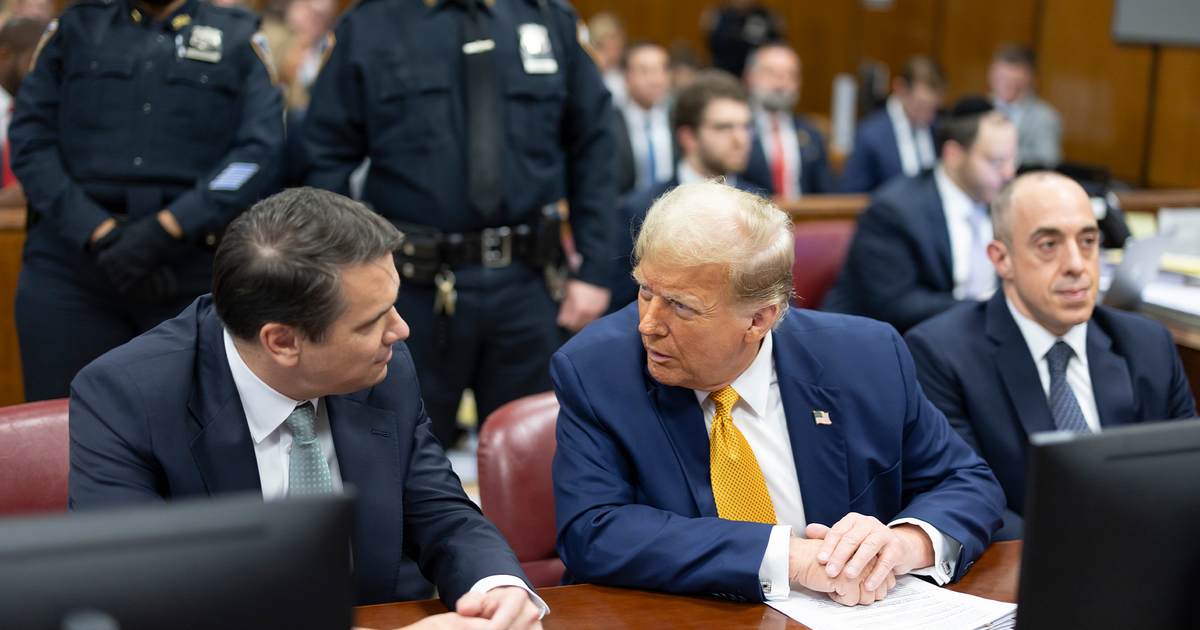
Cover image from redstate.com, which was analyzed for this article
The Justice Department pauses work on the $1.8 billion fund after a judge's block, with Republican senators demanding answers as Trump reconsiders amid political backlash. The move highlights tensions over accountability for prior investigations.
PoliticalOS
Tuesday, June 2, 2026 — Politics
The fund’s creation and subsequent court-ordered pause expose ongoing disputes over how past investigations should be addressed and who controls the process. Readers should track the June 12 filings to see whether any compensation pathway survives or whether the matter shifts to congressional action.
What outlets missed
The precise statutory basis for using the Judgment Fund under 31 U.S.C. § 1304 was referenced in only one account and received no independent verification from other sources. The identity of the lead plaintiff as a former January 6 prosecutor appeared in a single report and could not be corroborated elsewhere. No outlet supplied the docket numbers or filing dates for the two blocking orders, leaving readers without direct access to the primary documents.
Trump Administration Drops Plan for Anti-Weaponization Fund After Court Intervention
The Department of Justice announced Monday that it would abandon a nearly $1.8 billion fund intended to compensate individuals it described as victims of government overreach. The decision follows a federal judge's order blocking any further work on the program and comes amid questions from another court about the underlying legal settlement that created it.
The Anti-Weaponization Fund originated from a settlement in litigation involving President Trump and the Internal Revenue Service. The Justice Department had framed the fund as redress for what officials called abusive investigations and regulatory actions against conservative figures and organizations. Under the plan, administrators would distribute payments to those deemed harmed by prior administrations' enforcement priorities.
On Friday, Judge Leonie Brinkema in the Eastern District of Virginia issued a temporary order halting all activity related to the fund. The ruling went beyond stopping disbursements and prohibited the department from appointing staff, developing operational procedures, or conducting preparatory work. A separate federal judge in Florida reopened the original IRS case and directed the parties to address whether the settlement reflected genuine adversity or elements of coordination.
Rather than contest the Virginia order, the Justice Department chose to terminate the effort. Officials cited both the court ruling and concerns raised by Republican members of Congress about the scale and structure of the program. In a statement posted on social media, the department expressed disagreement with the judge's reasoning but indicated it would not proceed.
The episode highlights recurring tensions over how settlements in high-profile litigation can be used to advance policy goals without new legislation. Critics of the fund argued that channeling nearly $1.8 billion through an executive-branch mechanism raised accountability questions and bypassed normal appropriations processes. Supporters viewed the initiative as a necessary corrective to what they described as selective enforcement patterns in prior years.
Democratic Representative Tom Suozzi of New York, appearing on NPR, characterized the pause as a prudent response to legal uncertainties. He noted that the program's size and purpose warranted closer scrutiny before any funds moved. Republican lawmakers had similarly questioned whether the settlement terms adequately protected taxpayer resources and whether the fund's criteria for eligibility were sufficiently defined.
The judicial intervention itself drew attention for its breadth. Brinkema's order effectively prevented the executive branch from even planning the fund's structure, an approach that goes further than typical injunctions that halt implementation after some administrative groundwork. Legal observers noted that such rulings test the boundary between reviewing the legality of an action and directing the internal operations of an agency.
The reopened Florida case adds another layer. The judge there asked for briefing on whether the original parties were truly adverse, a question that could affect the validity of the settlement and any downstream uses of the resulting funds. Both courts' actions reflect judicial skepticism about using litigation resolutions to create large-scale compensation mechanisms.
For the Trump administration, the withdrawal avoids prolonged litigation but also ends an initiative that was positioned as central to addressing perceived imbalances in federal enforcement. The episode leaves unresolved broader questions about how future administrations might handle claims of institutional weaponization and whether settlements can serve as vehicles for large compensatory programs. It also underscores the courts' continuing role in shaping the limits of executive discretion in politically charged disputes.
You just read Liberal's take. Want to read what actually happened?
More in Politics
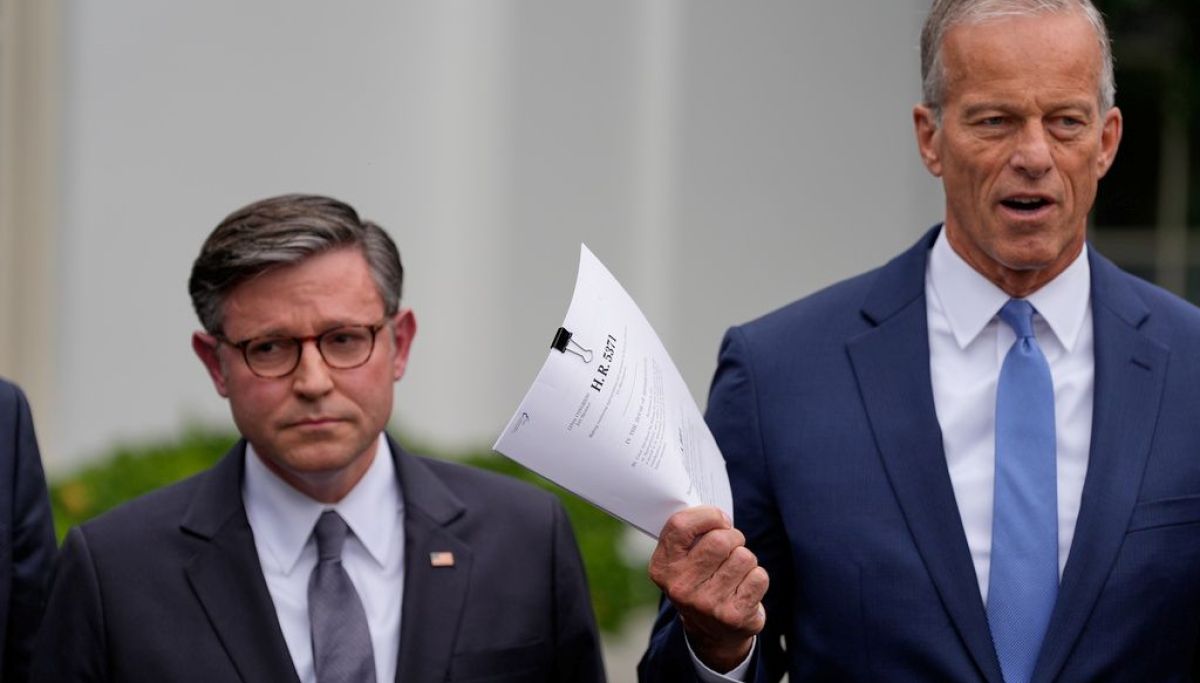
Trump at 32% Approval as Gas Prices Test GOP Midterm Hopes
NYT/Siena polling showed Trump's approval at historic lows around 32 percent with Democrats leading by double digits in key districts. Early voting has surged in battleground states.

Record Early Voting Hits Battlegrounds, Shifting Partisan Shares
AP analysis found hundreds of thousands more early ballots than in 2022 in states including Texas, Ohio, Kansas, Maine, and North Carolina, shifting partisan dynamics.
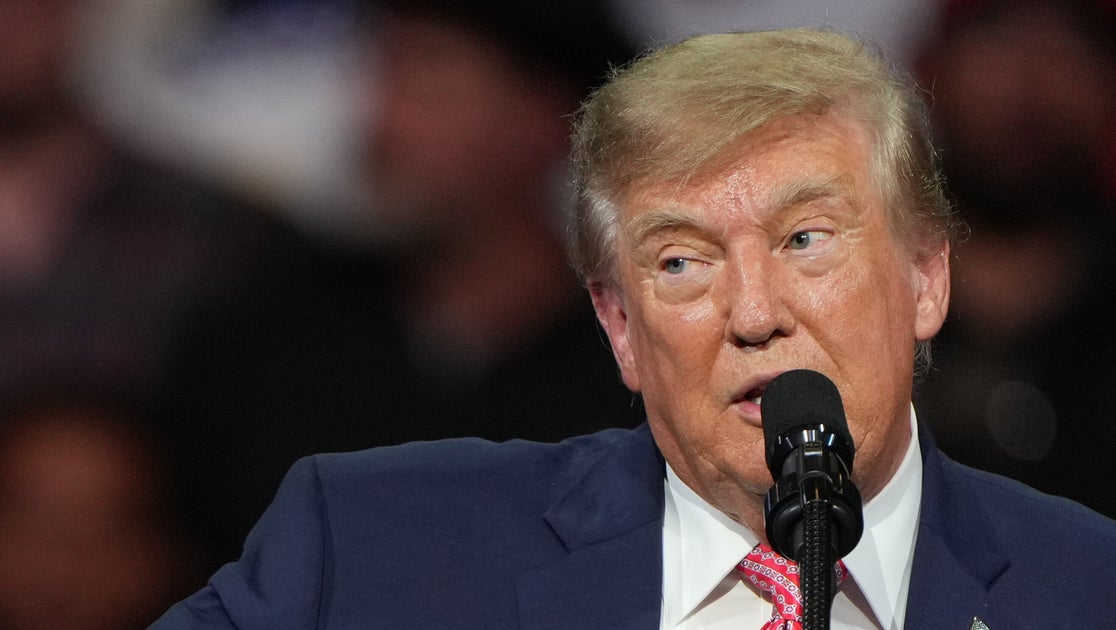
Trump Backs Marshall in Kansas Senate Race Tightened by Farm Costs
President Trump rallied in deep-red Kansas for GOP Sen. Roger Marshall in a competitive race, announcing an $8 billion farm fuel relief program amid high diesel prices. Democrats see an opening to end 94 years of GOP dominance in the state.

Trump Pauses Russia Sanctions Amid Ukraine Tensions and Missile Strikes
Trump waived sanctions on Russia and floated trilateral talks with Putin and Xi as part of ending the Ukraine war, while tensions rose with Zelenskyy over Starlink and arms. Bipartisan senators engaged Zelenskyy amid the shifts.
The Compass
You just read five takes on one story.
What's your take? Find your political shape in a few minutes.
Take the test