
DOJ Sues New Jersey for In-State Tuition to Undocumented Students
Cover image from washingtonexaminer.com, which was analyzed for this article
The Justice Department sued New Jersey for offering in-state tuition to some non-citizen students, part of intensified immigration enforcement. Critics decry it as anti-immigrant; supporters see fairness to citizens. Broader deportation efforts intensify.
PoliticalOS
Friday, May 1, 2026 — Politics
The Justice Department is systematically challenging state laws that extend in-state tuition and aid to undocumented students who attended local high schools, arguing they violate a federal statute designed to prevent preferential treatment. Courts have split on the issue, with one recent dismissal suggesting the high-school attendance trigger may satisfy the law. Readers should understand this is not a blanket ban on undocumented students but a contest over whether states can legislate education benefits without undermining federal immigration policy.
What outlets missed
Most coverage omitted New Jersey's specific eligibility rules requiring three years of in-state high school attendance, graduation from a New Jersey school, and an affidavit to pursue legal status; these criteria tie benefits to demonstrated integration rather than mere presence. A federal judge's dismissal of the nearly identical Minnesota suit earlier in 2026, which found the high-school attendance trigger satisfies 8 U.S.C. § 1623, received almost no mention despite directly undercutting the 'simple matter of federal law' claim. Coverage also underplayed the statute's built-in exception allowing states to enact legislation providing such benefits, a path New Jersey followed in 2013 and 2018. Finally, few outlets noted that many of the FBI personnel shifts coincided with record-low border encounters and targeted operations against noncitizens with criminal records, data that contextualizes the resource reallocations.
Trump Administration Diverts Thousands of FBI Agents to Immigration as It Sues States Over Student Aid
The Federal Bureau of Investigation dramatically expanded its role in immigration enforcement during the opening months of Donald Trump’s second term, reassigning thousands of employees to support the president’s mass deportation agenda. Bureau records obtained through a Freedom of Information Act request show that the number of FBI personnel working on “immigration-related matters” surged from 279 before Trump took office in January 2025 to more than 6,500 by September, a 23-fold increase. In total, 9,161 FBI employees participated in immigration work during that period, out of the bureau’s roughly 38,000 total workforce.
The redirection coincided with the early tenure of FBI Director Kash Patel, who has aligned closely with Trump’s priorities. Immigration advocates and policy researchers described the shift as unprecedented in scale. Aaron Reichlin-Melnick, a senior fellow at the American Immigration Council, called the numbers “a huge, huge number of people” and said the reallocation underscored the extraordinary resources being poured into deportation efforts. David J. Bier, director of immigration studies at the Cato Institute, warned that the move pulled agents away from core law enforcement duties. “We’re talking about the FBI diverting people away from criminal investigations and ongoing criminal activity and into civil immigration enforcement,” Bier said. “This is showing the extent to which the resources of the FBI were put at the disposal of Immigration and Customs Enforcement.”
The revelation arrives alongside a parallel legal offensive by the Department of Justice. On the same day the FBI figures became public, the department filed suit against New Jersey, challenging state laws that allow certain noncitizen residents to pay in-state tuition rates and access state financial aid. The complaint targets a 2013 law granting in-state tuition to undocumented students who attended high school in the state and a 2018 measure extending eligibility for scholarships and subsidies. It names not only the state but also education officials and agencies including the New Jersey Commission on Higher Education and the Higher Education Student Assistance Authority.
Justice Department officials framed the case as a defense of American citizens and federal law. “These laws unconstitutionally discriminate against U.S. citizens who are not afforded the same reduced tuition rates, scholarships, or subsidies, create incentives for illegal immigration, and reward illegal immigrants with benefits that U.S. citizens are not eligible for,” the department said in a statement. Acting Assistant Attorney General Brett A. Shumate added that colleges “cannot provide benefits to illegal aliens that they do not provide to U.S. citizens.” The lawsuit is one of nine the Trump administration has brought against similar state measures, often called Dream Acts, which typically require years of residency and high-school attendance within the state.
The twin developments illustrate the breadth of the administration’s immigration strategy. Beyond high-profile raids and expanded detention, it has enlisted the FBI, traditionally focused on counterterrorism, public corruption, and violent crime, to support civil enforcement operations that do not require the same evidentiary standards as criminal cases. That reallocation raises questions about opportunity costs. With limited investigative capacity, every agent reassigned to immigration paperwork or joint task forces with ICE is one fewer available for fraud, cybercrime, or domestic terrorism cases. Early data from the administration’s first year suggest deportation numbers have risen sharply, but at a steep bureaucratic price.
New Jersey’s policies, like those in about 20 other states, were designed to integrate young people brought to the United States as children or who have spent most of their lives here. Supporters argue these students contribute economically and that denying them affordable education simply saddles communities with undereducated workers. Federal law prohibits states from offering residency-based postsecondary benefits exclusively to undocumented immigrants unless citizens from other states receive the same treatment. The Justice Department contends New Jersey’s approach violates that provision by effectively discriminating against out-of-state Americans.
Critics of the administration’s approach see a pattern of using federal power to punish states attempting more pragmatic integration policies. The FBI’s expanded immigration portfolio, they argue, reflects a choice to treat civil immigration violations as a higher priority than many criminal matters. That emphasis could have lasting consequences for the bureau’s institutional focus and for public safety in areas unrelated to the border.
The New Jersey case will likely take months to wind through federal court. Similar lawsuits have produced mixed results in the past, with some states successfully defending their programs by adjusting eligibility rules. Yet the volume of litigation signals the administration’s determination to eliminate what it views as magnets for unauthorized migration. In the meantime, the human stakes remain high: thousands of students already enrolled under these programs now face uncertainty about next year’s tuition bills, while FBI field offices have quietly reorganized their workloads around a mission many agents did not train for.
The scale of the FBI’s redeployment, documented in internal records, offers the clearest picture yet of how thoroughly the Trump administration has reordered federal law enforcement priorities. Whether that reordering ultimately makes the country safer or simply shifts limited government resources from one set of problems to another will be judged by results still unfolding. For now, the numbers reveal a government bending significant institutional muscle toward a single policy goal.
You just read Liberal's take. Want to read what actually happened?
More in Politics
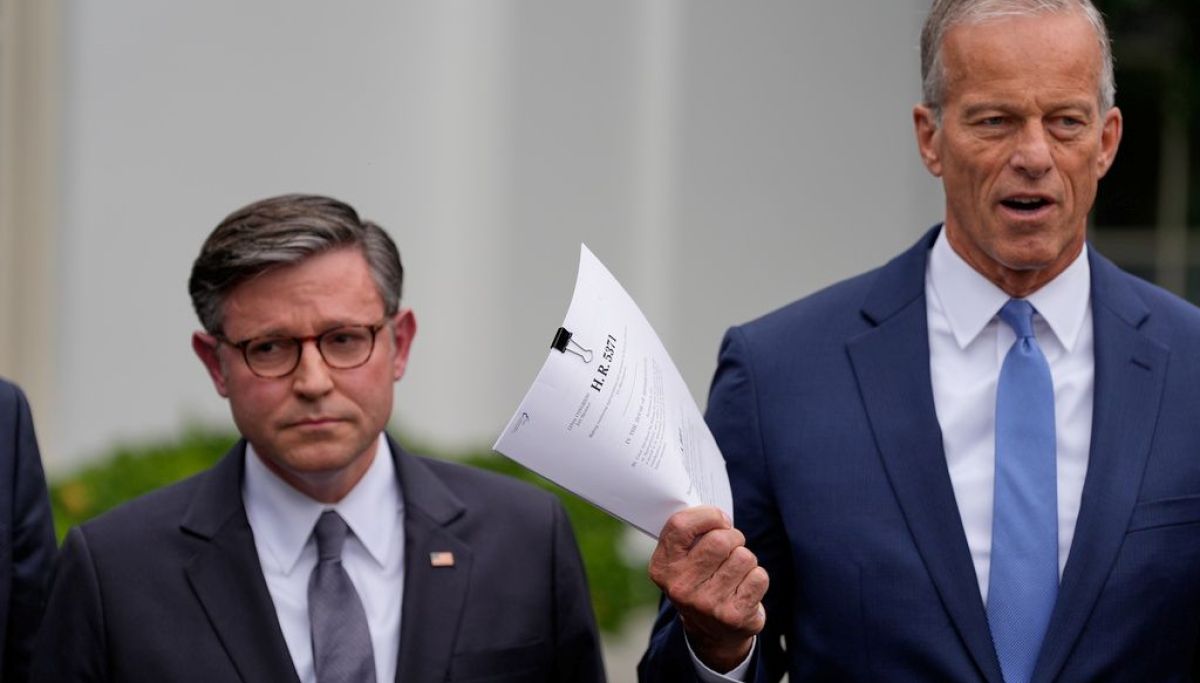
Trump at 32% Approval as Gas Prices Test GOP Midterm Hopes
NYT/Siena polling showed Trump's approval at historic lows around 32 percent with Democrats leading by double digits in key districts. Early voting has surged in battleground states.

Record Early Voting Hits Battlegrounds, Shifting Partisan Shares
AP analysis found hundreds of thousands more early ballots than in 2022 in states including Texas, Ohio, Kansas, Maine, and North Carolina, shifting partisan dynamics.
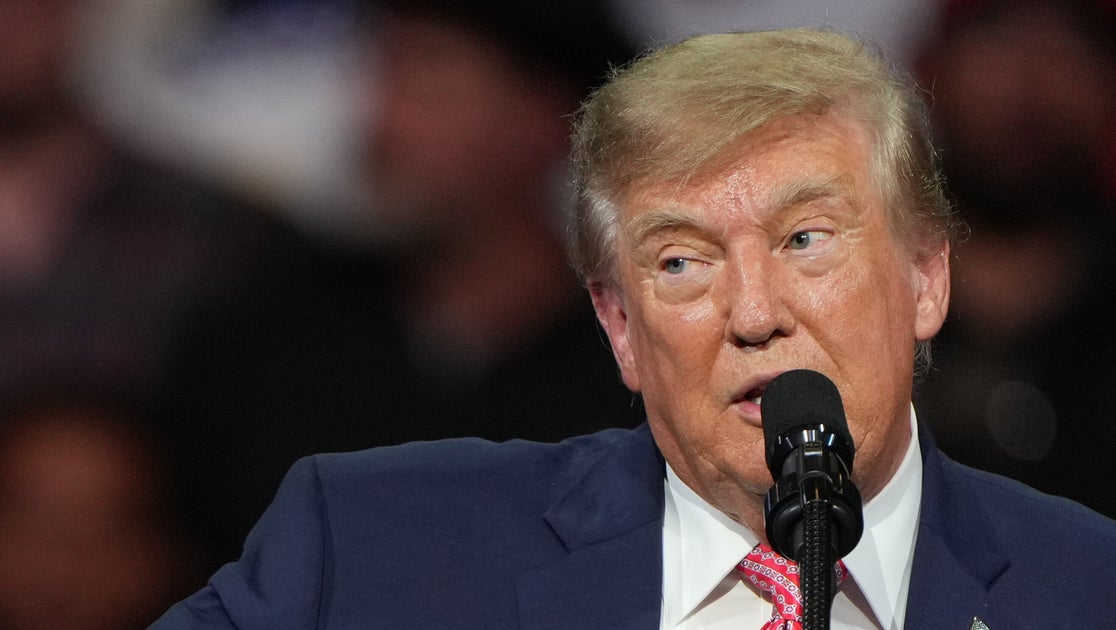
Trump Backs Marshall in Kansas Senate Race Tightened by Farm Costs
President Trump rallied in deep-red Kansas for GOP Sen. Roger Marshall in a competitive race, announcing an $8 billion farm fuel relief program amid high diesel prices. Democrats see an opening to end 94 years of GOP dominance in the state.

Trump Pauses Russia Sanctions Amid Ukraine Tensions and Missile Strikes
Trump waived sanctions on Russia and floated trilateral talks with Putin and Xi as part of ending the Ukraine war, while tensions rose with Zelenskyy over Starlink and arms. Bipartisan senators engaged Zelenskyy amid the shifts.
The Compass
You just read five takes on one story.
What's your take? Find your political shape in a few minutes.
Take the test