
White House Anti-Fraud Roundtable Draws Partisan Divide Over Access

Cover image from motherjones.com, which was analyzed for this article
The administration highlighted steps to lower prescription costs and held a roundtable on anti-fraud measures led by VP JD Vance, though some Democratic AGs declined to attend.
PoliticalOS
Wednesday, May 27, 2026 — Politics
The administration's dual focus on drug pricing and fraud enforcement encountered immediate friction when Democratic AGs opted out of the Vance-led roundtable and their staff were later barred. The resulting dispute centers on notice, agenda transparency and access rules rather than the substance of the anti-fraud proposals themselves.
What outlets missed
The timeline shows Democratic AGs first declined attendance before attempting to send staff, a sequence that frames the exclusions differently than a simple denial of entry. No outlet provided the White House criteria or response for barring staff despite RSVPs. The drug pricing component of the day's announcements received no coverage in either provided article despite appearing in the overall topic summary.
Skepticism Over Aid Spending Shapes Trump Administration Actions
The Trump administration's approach to foreign assistance and domestic enforcement has drawn sharp criticism from opponents who frame routine scrutiny as neglect or partisanship. Recent events involving Ebola response funding and an anti-fraud roundtable illustrate how officials have questioned the effectiveness of established programs rather than expanding them without review.
In March 2025 testimony before the House Committee on Foreign Affairs, Nicholas Enrich, then acting assistant administrator for global health at USAID, described resistance to releasing funds during an Ebola outbreak in Uganda. He reported that Tim Meisburger, head of the Bureau of Humanitarian Assistance, called the situation a scam due to only one confirmed death at that stage. Enrich noted the disease's incubation period meant further cases could emerge, yet the funding remained frozen and protective equipment stayed inaccessible. The State Department later maintained that USAID reforms did not impair the overall response capacity.
Such characterizations align with longstanding patterns in foreign aid. Historical data on Ebola outbreaks shows that early projections of spread often exceed actual mortality when basic containment measures are applied promptly. Past USAID allocations for global health have frequently encountered delays tied to bureaucratic layers, with audits revealing portions of funds diverted or spent on overhead rather than direct intervention. Officials weighing requests against verified case counts reflect an effort to prioritize evidence over precautionary spending that may not deliver proportional results.
Separately, Democratic attorneys general from multiple states declined participation in a White House anti-fraud roundtable organized under JD Vance. They cited short notice and absent agenda details. When some states sent staff experts instead, those officials were denied entry. California Attorney General Rob Bonta and New York Attorney General Letitia James held a press conference asserting that experienced prosecutors working complex cases were excluded, framing the decisions as political.
The roundtable itself targeted waste and improper payments across federal programs. Government reports have documented trillions in improper payments over recent decades in areas ranging from healthcare to disaster relief. Efforts to coordinate state and federal resources on fraud cases encounter resistance when one side views any centralized initiative as suspect. States that routinely pursue settlements yielding millions in recoveries still operate within systems where overlapping jurisdictions and differing priorities slow joint action.
Critics portray both episodes as evidence of reduced commitment to public health or enforcement. Yet the underlying pattern involves testing whether existing mechanisms produce measurable outcomes before committing additional resources. Foreign aid programs have expanded over time with mixed records on disease containment and institutional capacity building abroad. Domestic anti-fraud work similarly contends with entrenched interests that benefit from sustained spending irrespective of results. Officials applying basic questions about necessity or duplication follow an approach that treats government outlays as subject to the same standards of accountability applied elsewhere.
You just read Conservative's take. Want to read what actually happened?
More in Politics
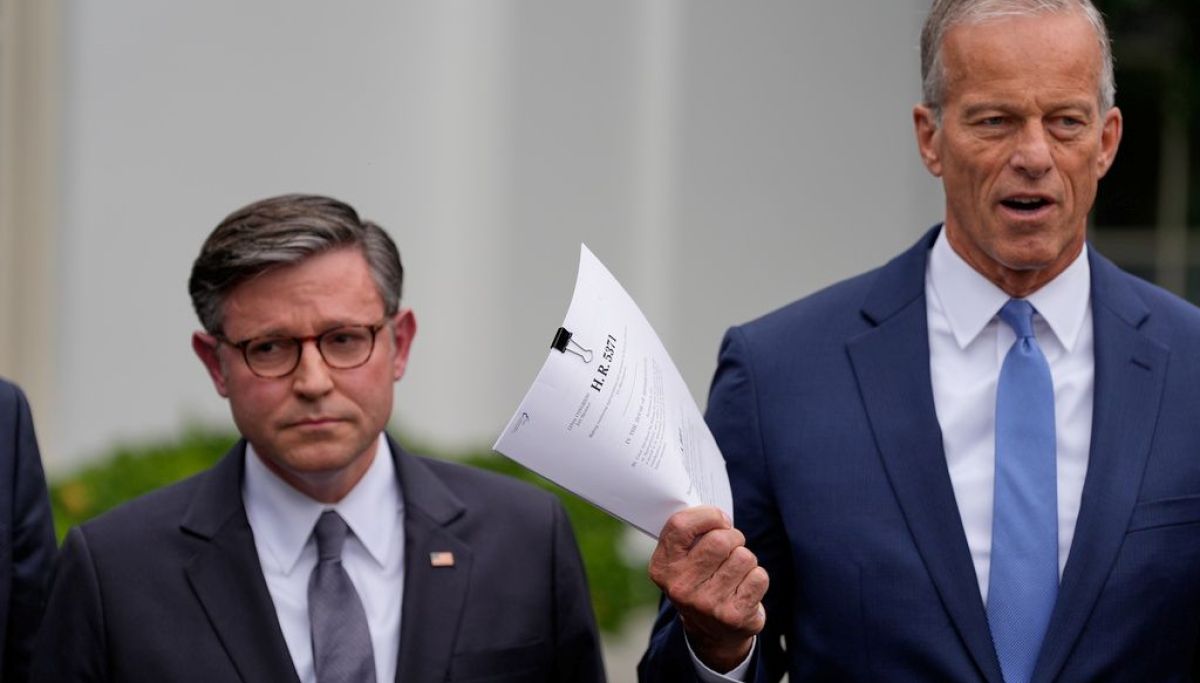
Trump at 32% Approval as Gas Prices Test GOP Midterm Hopes
NYT/Siena polling showed Trump's approval at historic lows around 32 percent with Democrats leading by double digits in key districts. Early voting has surged in battleground states.

Record Early Voting Hits Battlegrounds, Shifting Partisan Shares
AP analysis found hundreds of thousands more early ballots than in 2022 in states including Texas, Ohio, Kansas, Maine, and North Carolina, shifting partisan dynamics.
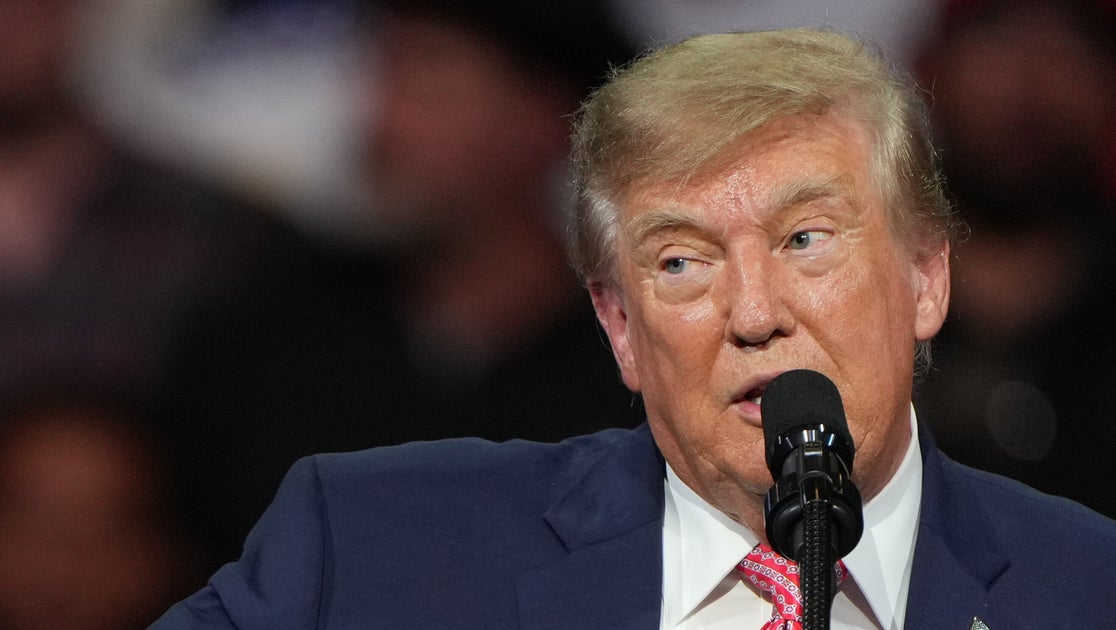
Trump Backs Marshall in Kansas Senate Race Tightened by Farm Costs
President Trump rallied in deep-red Kansas for GOP Sen. Roger Marshall in a competitive race, announcing an $8 billion farm fuel relief program amid high diesel prices. Democrats see an opening to end 94 years of GOP dominance in the state.

Trump Pauses Russia Sanctions Amid Ukraine Tensions and Missile Strikes
Trump waived sanctions on Russia and floated trilateral talks with Putin and Xi as part of ending the Ukraine war, while tensions rose with Zelenskyy over Starlink and arms. Bipartisan senators engaged Zelenskyy amid the shifts.
The Compass
You just read five takes on one story.
What's your take? Find your political shape in a few minutes.
Take the test