
White House Anti-Fraud Roundtable Draws Partisan Divide Over Access

Cover image from motherjones.com, which was analyzed for this article
The administration highlighted steps to lower prescription costs and held a roundtable on anti-fraud measures led by VP JD Vance, though some Democratic AGs declined to attend.
PoliticalOS
Wednesday, May 27, 2026 — Politics
The administration's dual focus on drug pricing and fraud enforcement encountered immediate friction when Democratic AGs opted out of the Vance-led roundtable and their staff were later barred. The resulting dispute centers on notice, agenda transparency and access rules rather than the substance of the anti-fraud proposals themselves.
What outlets missed
The timeline shows Democratic AGs first declined attendance before attempting to send staff, a sequence that frames the exclusions differently than a simple denial of entry. No outlet provided the White House criteria or response for barring staff despite RSVPs. The drug pricing component of the day's announcements received no coverage in either provided article despite appearing in the overall topic summary.
Democrats Barred From White House Anti-Fraud Session While Complaining About Ebola Aid
Democratic attorneys general from several states found themselves locked out of a White House roundtable on fraud this week, even after some tried sending staff in their place. The meeting, led by Vice President JD Vance as part of the administration's push to root out waste across federal programs, drew Republican state officials but left Democratic representatives on the outside. New York Attorney General Letitia James and California Attorney General Rob Bonta held a press conference to protest the exclusions, claiming their experts with years of fraud prosecution experience had RSVP'd only to be turned away over conflicting reasons tied to titles and timing.
The short notice and missing agenda had already prompted two dozen Democratic attorneys general to skip the event altogether. Those who attempted to send deputies from offices in California, New York, New Jersey, Minnesota, Massachusetts, Maryland, and Nevada faced additional barriers once they arrived in Washington. James described the rejections as inconsistent and ultimately dismissive of officials who had secured major settlements and convictions in complex cases. Bonta framed the gathering as little more than a political stage managed by Vance.
At the same time, fresh questions have emerged about past handling of foreign health aid under previous administrations. Testimony from a former USAID official revealed that an agency leader once dismissed an Ebola outbreak in Uganda as a scam after just one reported death, at a moment when funding requests for protective equipment and response efforts sat stalled. The current outbreak in the Democratic Republic of the Congo and Uganda has produced nearly a thousand suspected cases and over two hundred deaths, with public health workers citing reduced American assistance as a factor in slower containment.
State Department spokesmen have pushed back on claims that USAID reforms directly hampered the latest response, insisting the changes did not impair operational capacity. Yet records from earlier congressional hearings show internal disagreements over whether limited case counts justified holding back resources during the incubation window. Critics of expansive foreign aid programs have long argued that such spending often expands without clear results, a view that aligns with the administration's broader fraud review.
The contrast between blocked participation in domestic fraud discussions and renewed scrutiny of overseas health expenditures highlights ongoing tensions over government priorities. Republican-led states continue to engage with the White House effort, while Democratic offices signal they view the process as one-sided. Officials involved in the roundtable have indicated the focus remains on identifying improper payments and duplicative contracts across agencies, including those handling international assistance. As the Ebola situation develops, the administration maintains that targeted reforms aim to ensure resources reach genuine needs rather than bureaucratic expansion.
You just read America First's take. Want to read what actually happened?
More in Politics

Kremlin Signals Openness to Renewed Ukraine Peace Talks
Trump envoys met Putin and Zelenskyy with new proposals for ending the war, including a temporary airstrike pause. Kremlin signals openness to renewed talks.
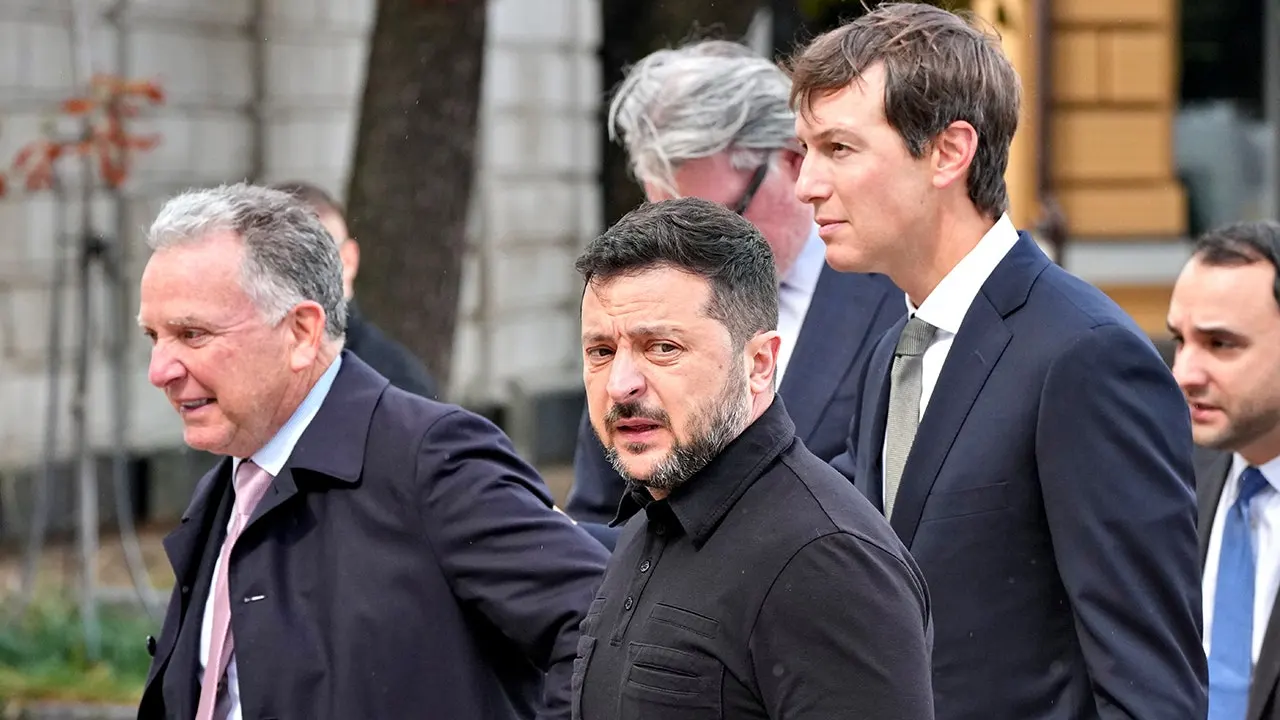
US envoys meet Putin then Zelenskyy as Ukraine talks resume
US envoys Steve Witkoff and Jared Kushner met Putin in Moscow then traveled to Kyiv for discussions on ending the Ukraine war. Putin ordered a 72-hour ceasefire in Kyiv as part of the push, with talks described as useful but showing no immediate breakthrough.

Trump Super PAC Spends $10M in Tight Texas Senate Race
Republicans face challenges escaping Trump's influence as his super PAC spends heavily in key races like Texas Senate. Democrats highlight economic discontent while both parties focus on voting rules, redistricting, and control of Congress.

US-Iran tanker strikes resume as June ceasefire unravels
US strikes on Iranian oil tankers linked to IRGC follow alleged missile attacks, with Iran vowing reprisals. Coverage examines the months-long conflict's trajectory and economic ripple effects like fuel prices.
The Compass
You just read five takes on one story.
What's your take? Find your political shape in a few minutes.
Take the test