
White House Anti-Fraud Roundtable Draws Partisan Divide Over Access

Cover image from motherjones.com, which was analyzed for this article
The administration highlighted steps to lower prescription costs and held a roundtable on anti-fraud measures led by VP JD Vance, though some Democratic AGs declined to attend.
PoliticalOS
Wednesday, May 27, 2026 — Politics
The administration's dual focus on drug pricing and fraud enforcement encountered immediate friction when Democratic AGs opted out of the Vance-led roundtable and their staff were later barred. The resulting dispute centers on notice, agenda transparency and access rules rather than the substance of the anti-fraud proposals themselves.
What outlets missed
The timeline shows Democratic AGs first declined attendance before attempting to send staff, a sequence that frames the exclusions differently than a simple denial of entry. No outlet provided the White House criteria or response for barring staff despite RSVPs. The drug pricing component of the day's announcements received no coverage in either provided article despite appearing in the overall topic summary.
Trump Administration Faces Scrutiny Over Expert Access in Health and Fraud Responses
The Trump administration’s handling of public health threats and anti-fraud initiatives has drawn fresh attention from state officials and former agency staff, who point to patterns of restricted information flow and delayed action. Recent developments in the response to Ebola outbreaks in Central Africa and a White House roundtable on fraud illustrate tensions over how expertise is incorporated into federal decision-making.
An ongoing Ebola outbreak in the Democratic Republic of the Congo and Uganda has recorded nearly 1,000 suspected cases and more than 200 deaths, according to Centers for Disease Control and Prevention data. Public health workers have cited funding constraints at the US Agency for International Development as a factor complicating containment efforts. State Department spokesman Tommy Pigott has rejected claims that USAID reforms impaired the response, stating last week that such assertions are false.
Testimony from March 2025, however, offered a different account. Nicholas Enrich, then acting assistant administrator for global health at USAID, told the House Committee on Foreign Affairs that funding requests for an earlier Uganda outbreak went unaddressed. He described how Tim Meisburger, head of USAID’s Bureau of Humanitarian Assistance at the time, labeled the outbreak a “scam” after only one death had been recorded. Enrich noted that the disease was still in an incubation period and that additional cases were expected. Protective equipment remained inaccessible amid the funding freeze.
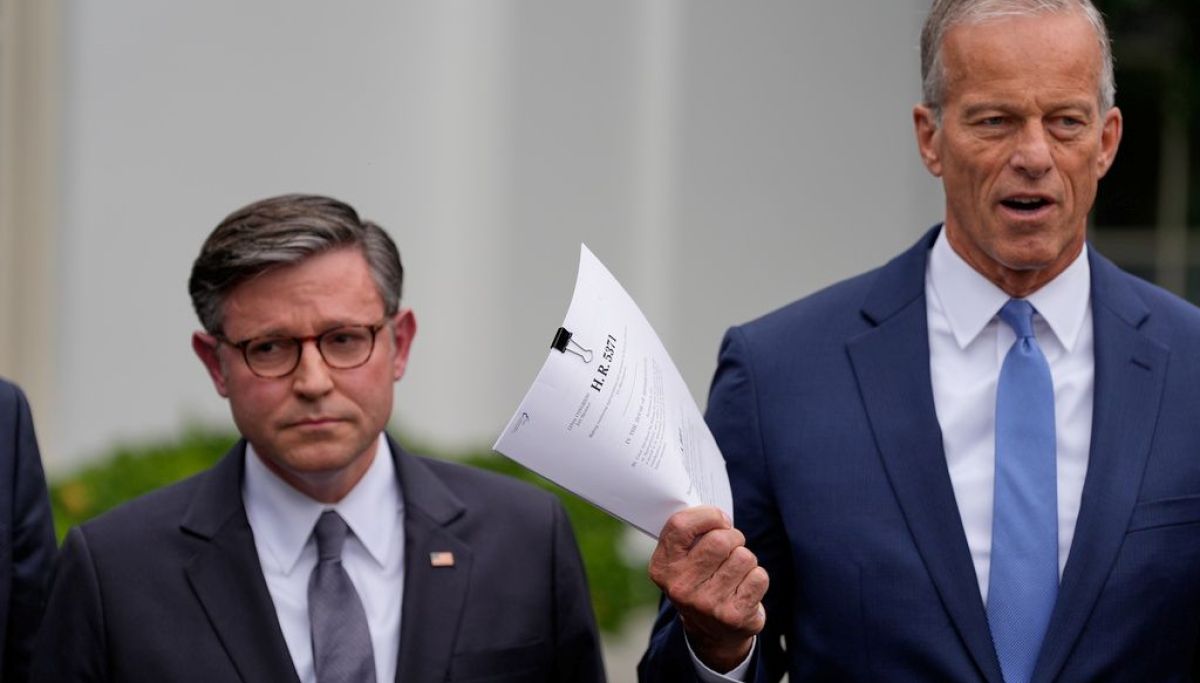
Separately, two dozen Democratic state attorneys general declined invitations to a White House anti-fraud roundtable convened by Vice President JD Vance. They cited insufficient notice and the absence of a detailed agenda. Several states instead sent senior officials with direct experience in fraud prosecutions. Those officials were ultimately barred from the meeting. New York Attorney General Letitia James and California Attorney General Rob Bonta said the exclusions extended to experts from Minnesota, Massachusetts, Maryland, and Nevada. Conflicting explanations were provided for the denials, and Bonta characterized the event as one in which states would not serve as “props in Vance’s political performance.”
These episodes occur against a backdrop of broader administration efforts to reorganize foreign aid and domestic enforcement priorities. Analysts note that reduced staffing and altered approval processes at USAID have affected rapid-response capabilities for infectious disease threats, where early intervention depends on pre-positioned resources. In the fraud context, state attorneys general offices have accumulated substantial case experience through multistate settlements and investigations. Limiting their participation in federal discussions may narrow the range of enforcement strategies considered at the national level.
Public health specialists emphasize that Ebola transmission dynamics require sustained surveillance even when initial case counts appear low. Similarly, effective fraud prevention often relies on coordination across jurisdictions that hold different regulatory authorities. The administration maintains that its reforms aim to eliminate waste and focus resources on core priorities. State-level officials, however, continue to document instances where procedural changes have limited input from career experts.
The combined effect, according to participants in both episodes, is a narrowing of the information channels available to federal policymakers at moments when technical judgment is most relevant. Whether these frictions produce measurable differences in outbreak control or enforcement outcomes will depend on data collected over the coming months.
You just read Liberal's take. Want to read what actually happened?
More in Politics
Trump at 32% Approval as Gas Prices Test GOP Midterm Hopes
NYT/Siena polling showed Trump's approval at historic lows around 32 percent with Democrats leading by double digits in key districts. Early voting has surged in battleground states.

Record Early Voting Hits Battlegrounds, Shifting Partisan Shares
AP analysis found hundreds of thousands more early ballots than in 2022 in states including Texas, Ohio, Kansas, Maine, and North Carolina, shifting partisan dynamics.
Trump Backs Marshall in Kansas Senate Race Tightened by Farm Costs
President Trump rallied in deep-red Kansas for GOP Sen. Roger Marshall in a competitive race, announcing an $8 billion farm fuel relief program amid high diesel prices. Democrats see an opening to end 94 years of GOP dominance in the state.

Trump Pauses Russia Sanctions Amid Ukraine Tensions and Missile Strikes
Trump waived sanctions on Russia and floated trilateral talks with Putin and Xi as part of ending the Ukraine war, while tensions rose with Zelenskyy over Starlink and arms. Bipartisan senators engaged Zelenskyy amid the shifts.
The Compass
You just read five takes on one story.
What's your take? Find your political shape in a few minutes.
Take the test